Project Songbird Review
Indie horror games have taken the genre in new directions, creating some of the greatest experiences it has to offer. From Indika’s exploration of mental health to Little Nightmares’ grotesque depiction of childhood iconography, talented developers have successfully resuscitated the sleeping monster, breathing new life into a genre once largely left to industry giants. Project Songbird aims to deliver a cinematic, narrative-driven experience, dwelling on fears of obsession and isolation. Will this ambitious title strike fear into the hearts of players, or will its haunting premise fall short of its lofty ambitions?
Dakota is a young musician struggling with the pressures of fame and the need to maintain her success. As her management pushes her to produce songs that sound like her previous hits, she begins to spiral. Unable to write, she’s advised to retreat to a remote location to reignite her creative spirit. What should have been a relaxing escape from the incessant noise surrounding her livelihood quickly becomes something much darker.
The Mind Plays Tricks
Each segment offers further insight into Dakota’s life, allowing you to gradually build a picture of her circumstances and mental state. This is delivered through purposeful, methodical pacing that draws you deep into her world, building an intoxicating atmosphere that keeps you immersed throughout. Mundane tasks allow you to form a bond with her, which also makes events more intense as you strive to survive. Thanks to the talented voice cast, each character is brought to life with a distinct personality, making small moments of humanity feel genuine. Combined, these elements make Dakota’s journey feel intimate and emotionally resonant.
The premise allows FYRE Games to delve into unnerving sequences as the protagonist experiences nightmarish scenarios. This leads to a cacophony of horror that keeps you in a constant state of trepidation as you navigate toward the next objective. From P.T.-style loops to enemies reminiscent of Doctor Who’s Weeping Angels, the influences come from far and wide, but their implementation feels unique, creating a medley of macabre. Each area adds a new threat, delivering some truly terrifying moments that will keep you on edge.

These aspects contrast with the tranquility that permeates the forest-based exploration. Although relatively small, you must scour the region, using environmental clues to open new paths and areas. Puzzles intersperse segments and are well designed, challenging you to consider problems and work out their solution. This adds to the pacing, luring you into a false sense of security as a dark underbelly begins to surface the deeper you delve. However, these low-stakes sequences conflict with the intensity that enshrouds the horror, which enhances the overall tension, allowing quiet moments to sharpen the impact of the dread that follows.
A Hopeful Swing
Project Songbird excels when placing you in a vulnerable situation. Creeping through environments and narrowly escaping death adds legitimacy to the panic that blankets Dakota. The inclusion of weapons, however, hinders this, as you can parry attacks, making them stumble so that you can dart past. Although I understand the notion of facing your fear, keeping you exposed only heightens the sense of impending danger. Weapons can be upgraded using scrap found throughout the environment, improving your efficiency with the axe or gun. But even with these upgrades, the weapons lack significant impact and, at times, feel unnecessary.
There’s a strong cinematic presence throughout the experience, enhanced by its art direction, aspect ratio, and film grain. Together, they successfully accentuate the beauty of nature while evoking a sense of vulnerability due to the isolation. A golden hue adds warmth to the daytime segments, while stark shadows and a blue coldness juxtapose the twisted nights. This is further enhanced by the excellent score and music, which further anchors you in the world.
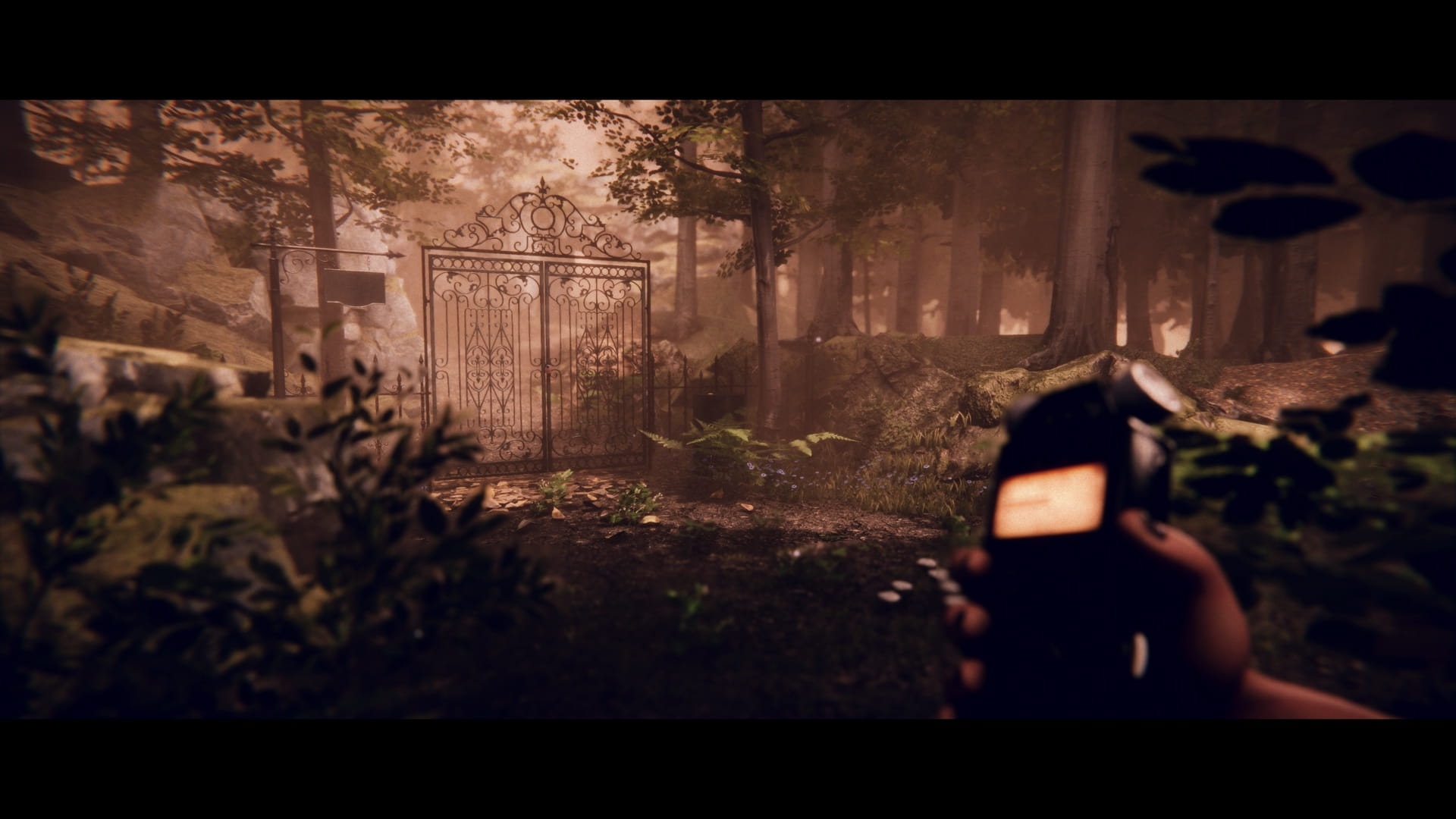
Unfortunately, there are regular framerate drops when moving between areas and running, which subtracts from an otherwise polished adventure. Enemies, however, are a little cumbersome, trudging down corridors with awkward animations and little intelligence. This makes stealth sections harder to accomplish, which can lead to some frustrating moments.
Swansong
Project Songbird is a haunting journey through the dark and twisted mind of its protagonist. Each act offers fresh ideas, creating a wonderfully paced adventure brimming with creativity and innovation. The art direction, sound, and impeccable voice acting elevate the experience, helping Dakota’s tale resonate. Although the combat and stealth segments lack the intensity that enshrouds other aspects, adding frustration rather than fear, this thrilling psychological exploration remains a memorable and imaginative horror experience.
***PlayStation 5 code provided by the publisher for review***
The Good
- Excellent Horror Set Piece
- Innovative
- Strong Voice Acting
The Bad
- Framerate Drops
- Weapons
- Enemy AI