Forza Horizon 6 Review
After years of begging from the community, Playground Games has finally gone to Japan with Forza Horizon 6. On paper, it’s a match made in automotive heaven. A country with deep motorsport roots, legendary mountain passes, and a car culture that’s influenced enthusiasts worldwide. But somewhere between the neon-drenched streets of Tokyo and the treacherous mountains up north, Forza Horizon 6’s tired formula manages to stymie what’s otherwise a long awaited homecoming.
The opening couple of hours are a bit of a slog. You’re bounced between menus, constantly interrupted by tutorial prompts and progression gates that fly in the face of open-world racing’s philosophy. It’s a weird stop-and-go rhythm that wore on me. Forza Horizon 6 wants to explain every system, every feature, every wrinkle of its progression before it trusts you to just drive.
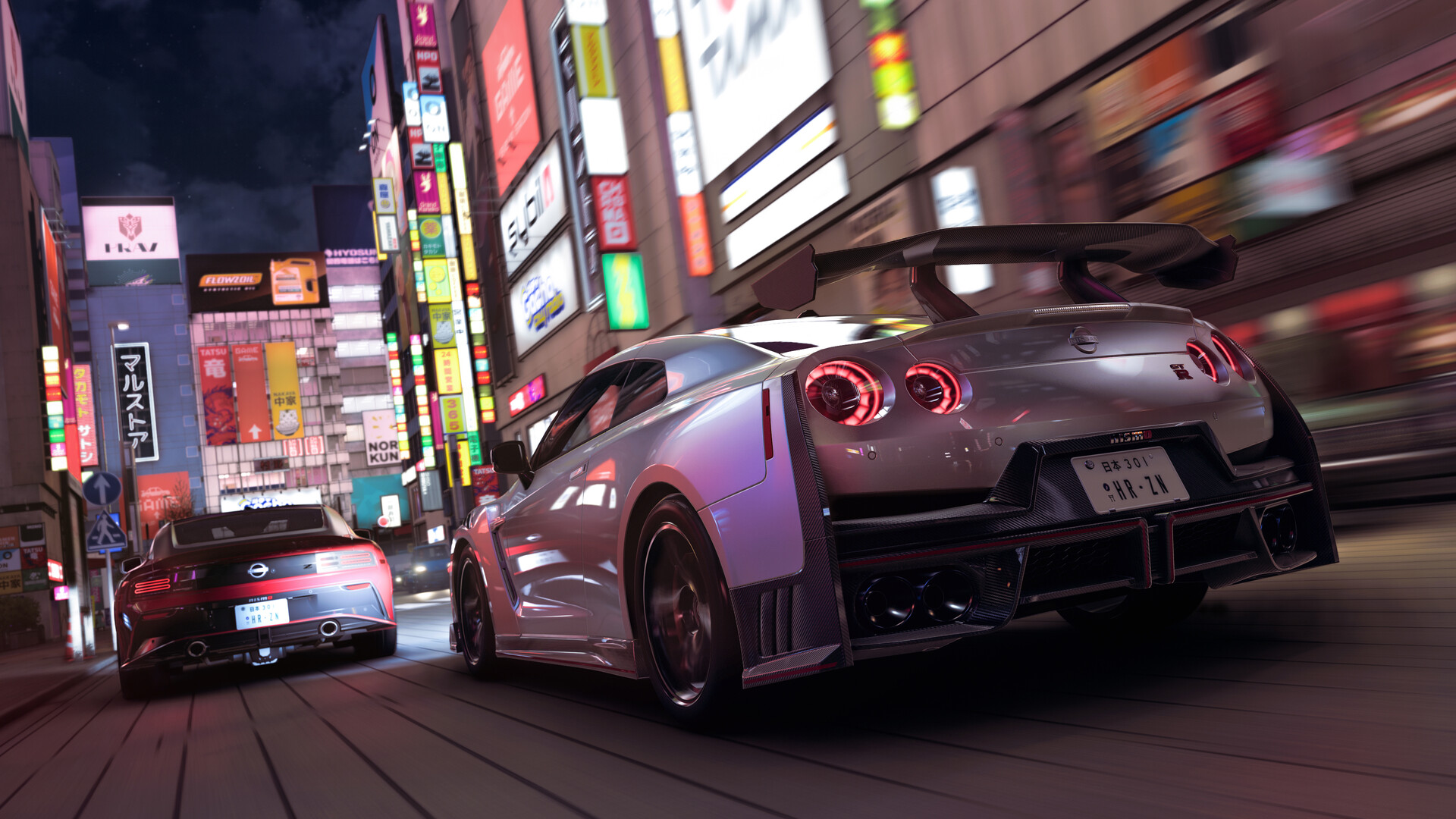
Once you’re actually allowed to drive, though? The handling feels weighty yet responsive. While it’s by no means a simulation racer, Forza Horizon 6’s driving mechanics are a blissful arcade/simulation hybrid. Seriously. Threading through Tokyo’s tight corners is supremely satisfying. Weight transfer feels more pronounced than in previous entries, and the feedback through the controller does a good job of letting you feel when you’re pushing a car to its limit. It’s just too bad the beginning makes it difficult to enjoy without being yanked back to another menu screen or being forced to sit through another dialogue sequence.
Rocky Start
And speaking of dialogue—it’s atrocious. Every character sounds like the developers drew straws to determine who would be forced to record the voiceover. Forza Horizon 6 is stuffed with brutal, eye-rolling voicework that has no business being in a game launched in 2026. Every conversation is a reminder that Horizon has never figured out how to make human interaction feel remotely natural.
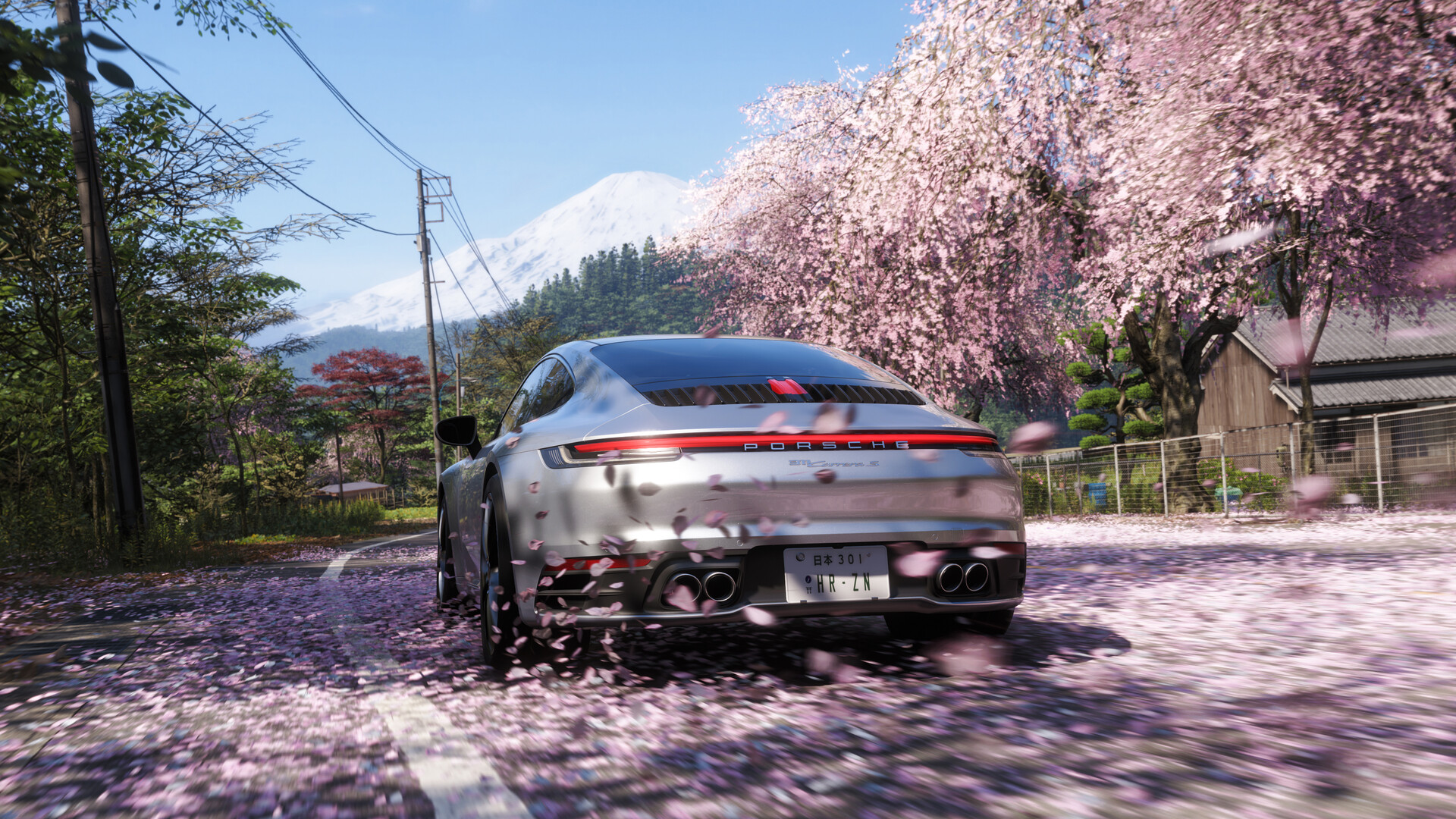
Though, Japan is spectacular, easily the most impressive environment the series has delivered. The biome diversity isn’t just window dressing, either. Mountains feel isolating and cold, with winding roads that cut through lonely, fog-shrouded valleys. The countryside bursts with color and life, rice paddies stretching to the horizon while cherry blossoms drift across your windshield. Urban spaces are packed with small details that reward slower exploration: bicycles parked outside convenience stores, vending machines on every corner, the way neon reflects off wet pavement after rain.
A Sight to Behold
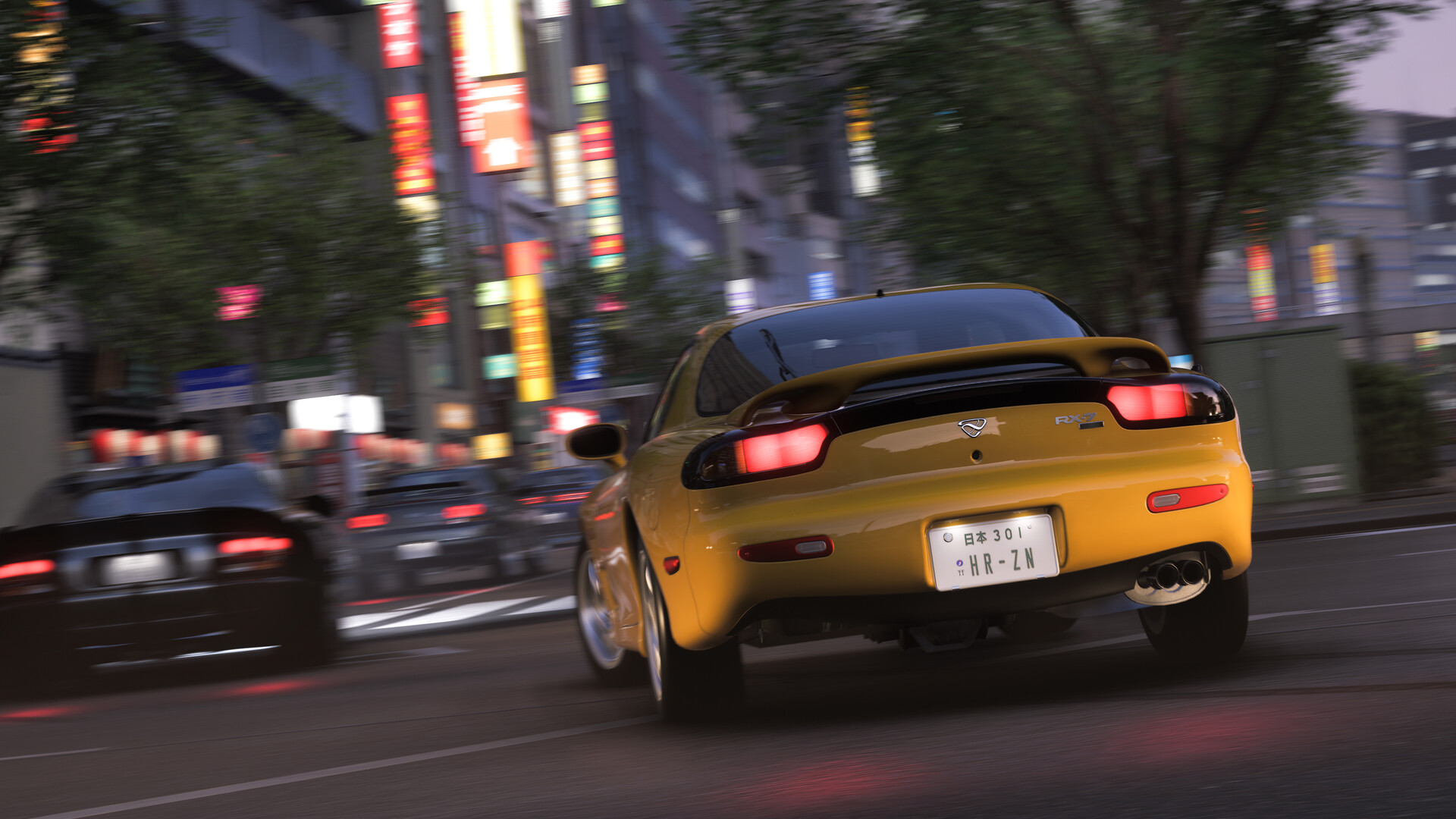
The foliage work is also exceptional, from gingko trees on hillsides to fallen cherry blossom petals kicked up by passing cars. Tokyo itself deserves special mention—it’s dense, vertical, and technical in ways previous Horizon cities never managed. The tight turns and narrow alleyways demand precision, and cruising through the city at night for the first time is an experience I won’t soon forget.
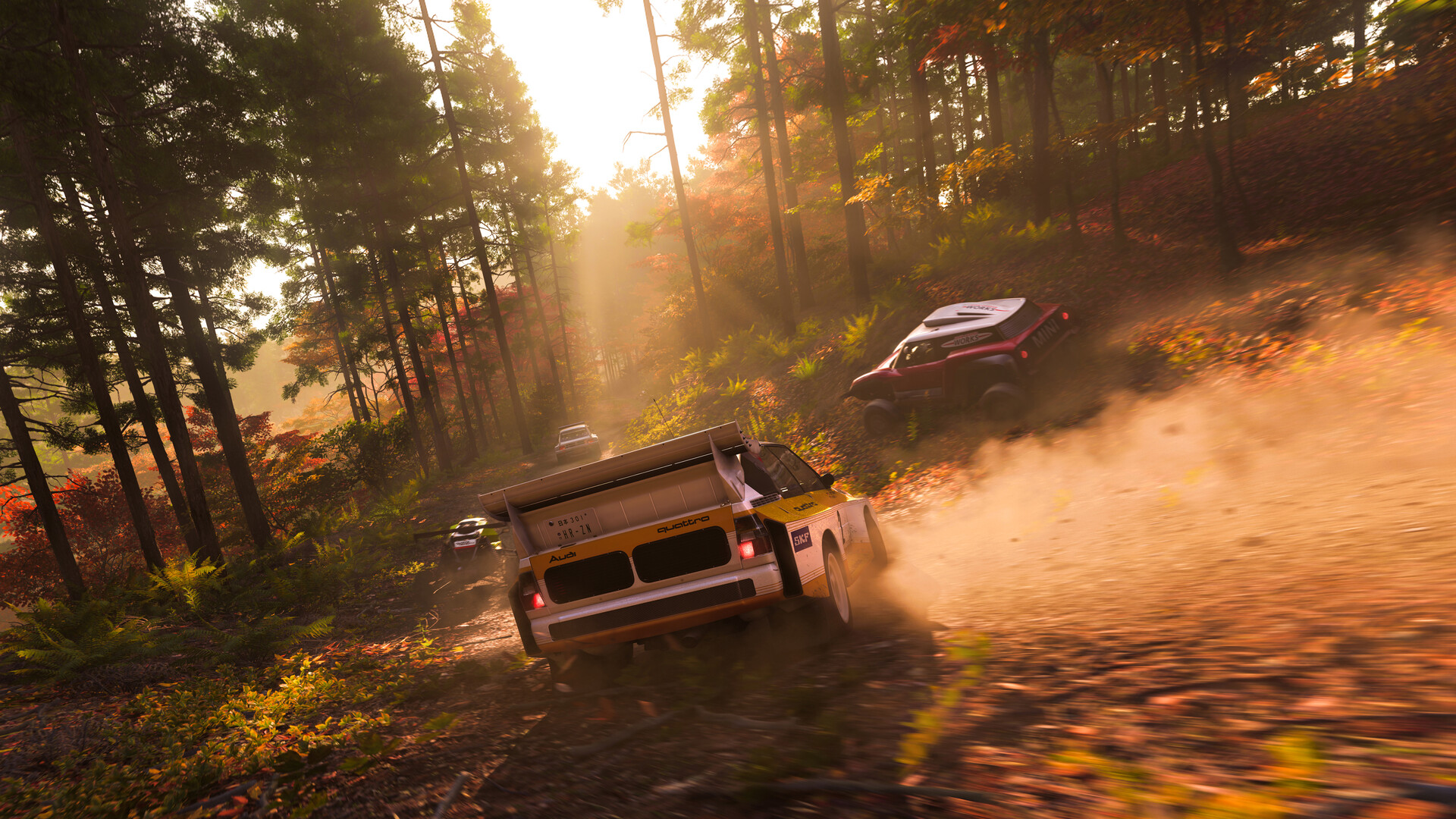
Car models are also stellar, with ray-tracing helping vehicles to practically leap off the screen in the right lighting. Paint finishes have depth and complexity you don’t usually see in racing games. The way light runs across curves and bodywork is truly impressive. This is a gorgeous game, no question. The attention to detail extends to the car roster as well. Forza Horizon 6 features over 550 vehicles at launch, including long-requested JDM classics that have been remodeled to look more accurate. It’s here, when getting behind the wheel of an AE86 or an RX-7 and taking it up a mountain pass, that Forza Horizon 6 feels like what the series always should have been.
Festival Woes
Where things fall apart: the Horizon Festival. Again. For years I’ve felt the stagnation in how each subsequent Horizon entry mirrors the structure and progression of previous entries. Japan has one of the richest automotive histories on the planet—touge culture, street racing legends, the JDM scene, decades of motorsport innovation. Think of the stories that could be told: the history of the Skyline GT-R, the birth of drift culture, the underground street racing scene that inspired entire film franchises.
Instead of weaving any of that into a fresh narrative, we get the same tired festival shtick we’ve endured for five games now. It’s a baffling slap in the face to the setting. This could’ve been a chance to tell actual stories rooted in Japanese car culture. Instead it’s just, “Hey, move all your crap off to the side, we need to set up over there. By the way, want a wristband?”
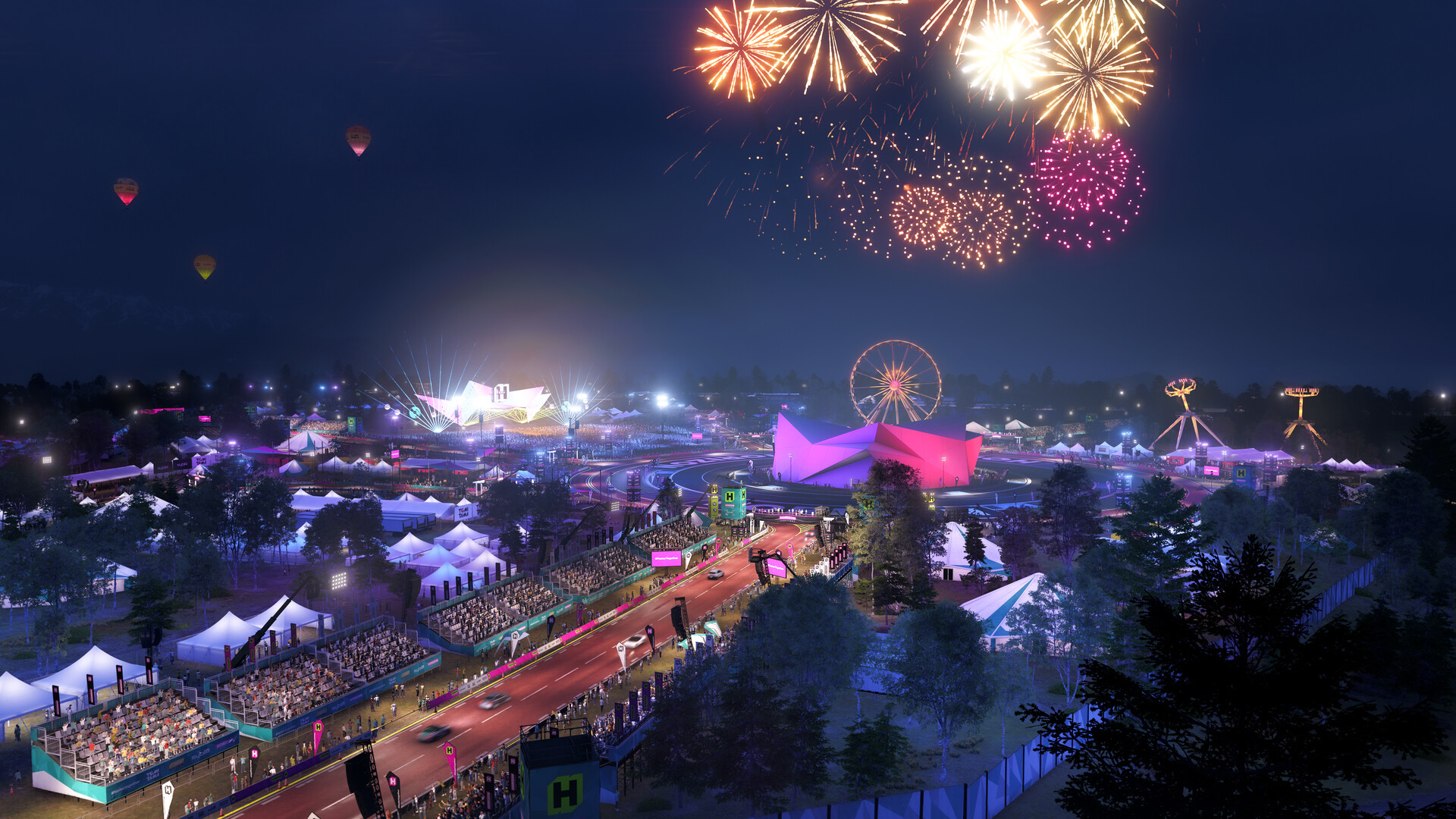
The progression—or lack thereof—compounds the issue. Within fifteen minutes, I was piloting a supercar at what might as well have been Mach speeds. New vehicles get thrown at you constantly, which sounds generous until you realize it completely eliminates the chance to develop attachment to what you’re driving. The wristband system from earlier games returns, but it doesn’t solve the fundamental problem: you never feel like you’re earning your way through the experience when the game hands you the keys to the kingdom within minutes. There’s no journey from beater to legend, no sense of building up your skills and your garage in tandem. You’re just… given everything, immediately. And expected to care about arbitrary stat points that don’t gate your access to content in any meaningful way.
Event Issues
Event design has its own frustrations. The worst activities—speed traps, trailblazers, PR stunts—dominate the map, while actual circuit racing feels like an afterthought. This is maddening because the tracks themselves are a ton of fun, with layouts that take advantage of the diverse terrain and challenge you to actually learn racing lines and braking points. The mountain passes especially shine when you’re racing on them rather than just blasting through checkpoints. But you’ll spend far more time smashing through trees or hitting speed targets than you will participating in proper races. It’s like the developers decided compelling racing should come second to chaos.
Thankfully the audio work shines. The soundtrack offers enough variety to stay fresh without wearing out its welcome, rotating through genres that fit the mood rather than just licensing whatever garbage has been popular over the last 18 months. And the car sounds themselves roar with the authenticity you’d expect from Forza. Throw on a decent pair of headphones and you’ll appreciate the attention to detail—engine notes, tire squeal, turbo flutter, environmental ambiance all blend together beautifully.
Riding off into the Sunset
I want to stress one thing: I’ve had lots of fun with Forza Horizon 6. It certainly does enough to satisfy newcomers. But veterans of the series will assuredly feel a sense of grating deja vu with the Horizon Festival. Japan is dense and technically impressive. Vehicles are stunning. And there are hundreds of hours of content to chase if you’re so inclined. The core driving is also better than it’s ever been. Though, for anyone hoping Japan would inspire Playground Games to evolve this series beyond its comfort zone, Forza Horizon 6 is a missed opportunity. I’ve loved my time in Japan, I just wish I wasn’t there for another lame festival.
***A PC/Xbox code was provided for this review***
The Good
- Excellent arcade/sim hybrid driving
- Beautiful environments
- Gorgeous, authentic vehicles
The Bad
- The ‘Horizon Festival’ needs to die
- Sense of progression is non-existent
- Atrocious dialogue/character models