Control Resonant Review
Metal Gear Solid remains, in my mind, the greatest video game series ever created. Since the late 90s, I’ve yet to find something that captures me quite like Metal Gear. As such, naturally, that’s the standard I measure a lot of stuff against. So when I say Remedy Entertainment is the one studio that comes closest to matching Hideo Kojima and his team when it comes to storytelling, I mean that as a serious compliment. And Control Resonant is another shining example of why I think Remedy stands almost shoulder-to-shoulder with Kojima.
Remedy’s follow-up to 2019’s Control shifts the spotlight away from Jesse Faden in favor of her brother Dylan. Along with this change, the studio manages to build on nearly everything that made the original special while giving the sequel a distinct personality of its own. I’ve been lost for a week in this twisted interpretation of Manhattan, and Control Resonant now lives in my head rent-free.
All I Have Is This Old House
Control Resonant establishes itself quickly. Dylan Faden is trying to reconstruct his fractured mind. Seven years have passed since the events of the first game. The Hiss has escaped the Oldest House, spreading throughout Manhattan. Dylan emerges from years of confinement barely able to function, only to find a distorted version of the city waiting for him.
Remedy remains exceptionally good at narrative mysteries and posing questions without it ever feeling like a chore to answer them. Control Resonant sunk its hooks into me quickly, carefully guarding its biggest revelations, and consistently giving me another reason to keep moving forward (whether that be through story beats or fresh gameplay mechanics). Resonant also continues Remedy’s larger Alan Wake universe, giving longtime followers of the studio’s interconnected stories plenty to unpack. Of course, newcomers will feel lost. Like, really lost. But if you’re hellbent on making Control Resonant your first Remedy title, there’s at least a solid recap that will catch you up to speed on the major happenings of the first game.
Control Resonant’s most significant change is its combat system. Control’s original ranged, telekinetic shooting mechanics are out. This time around it’s all about close-quarters, up-in-your-grill action. And, thankfully, the change works more often than it doesn’t.
Wonderful Weapons
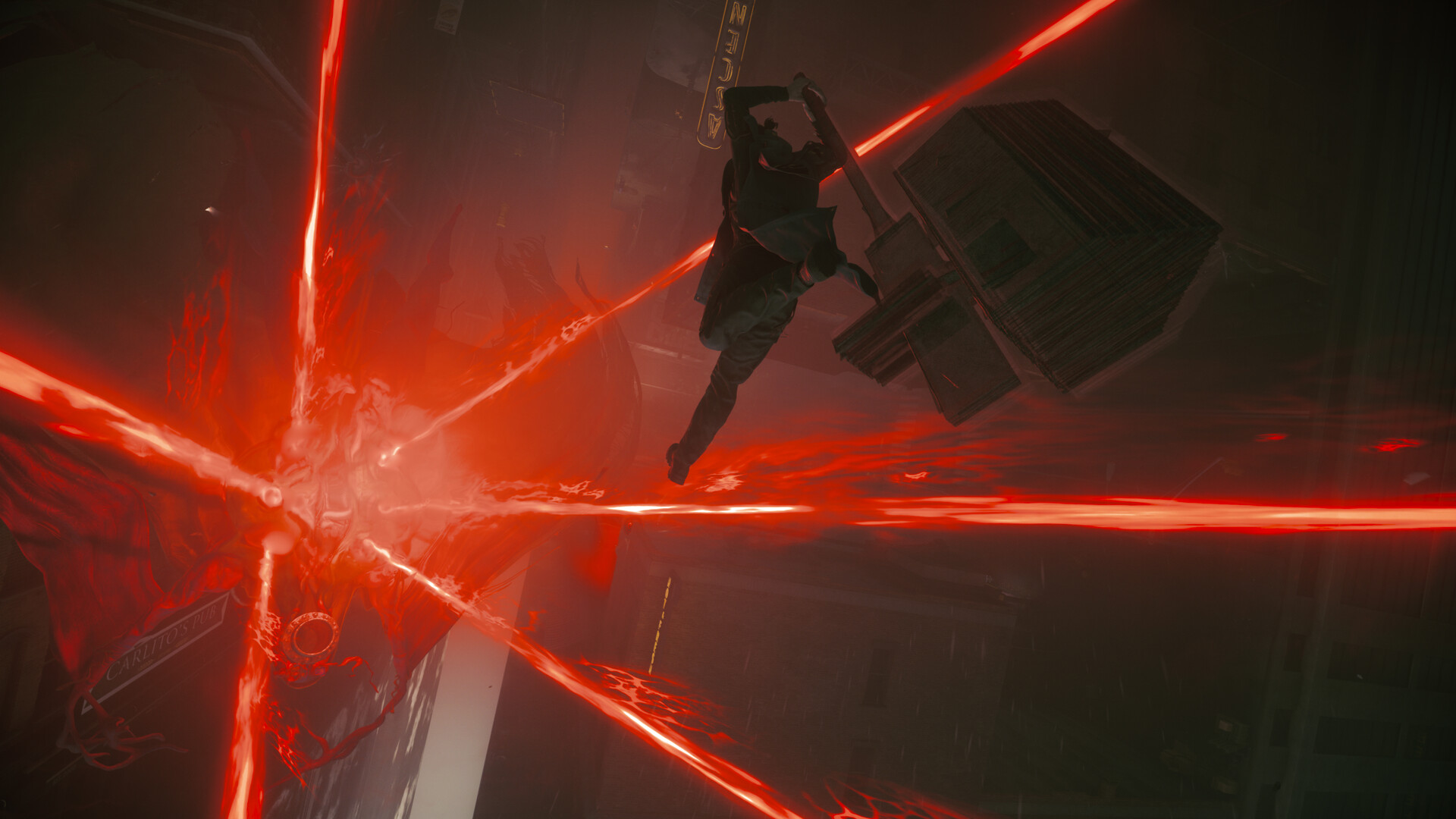
Dylan’s new signature weapon, Aberrant, morphs into different forms at the player’s will. Combined with his goodie bag of abilities, Resonant’s combat system is built to facilitate slick, fast-paced movement. Dodging, jumping, aerial attacks, and special abilities all synergize with one another, giving encounters a supremely satisfying flow once everything clicks.
Though, I’m not convinced this new system completely replaces the appeal of the original game’s gunplay. There was something uniquely satisfying about Control’s ranged combat that Resonant doesn’t entirely reproduce. Even so, the new system provides enough options to carry the game comfortably through its full campaign.
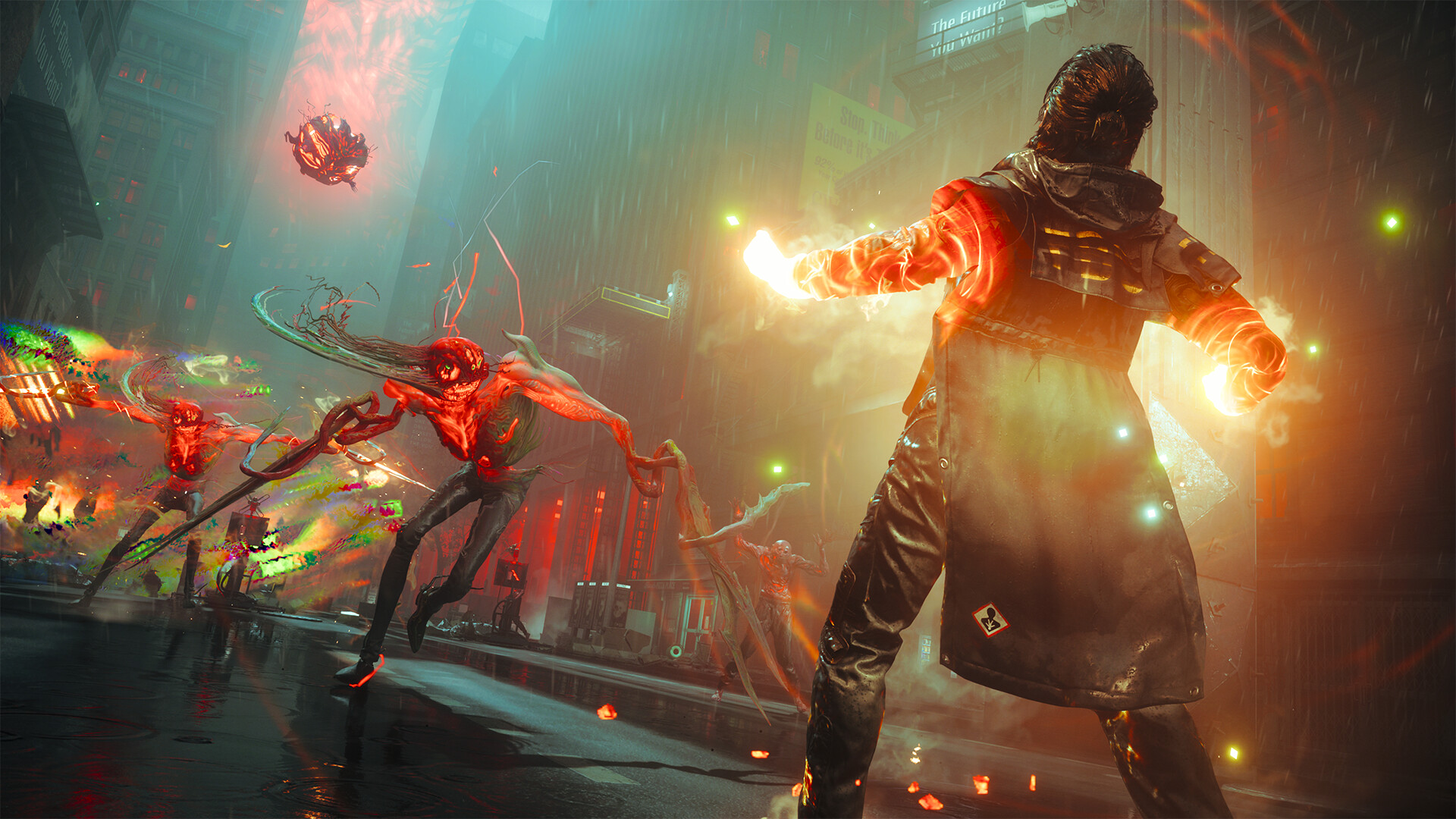
The bigger issue is Control Resonant’s balancing. Against regular enemies, I could often stun-lock them by repeatedly mashing triangle, while other enemies would either meander around waiting for their turn, or miss me entirely with an attack. As a result, some early and middle sections felt much easier than they should have. Enemy variety also becomes an issue. I could only decimate so many groups of red-blob monsters before it got a tad stale.
Exploration is another area where Resonant excels. Manhattan is filled with optional objectives, collectible case files, and small character interactions that gradually reveal more about the shady bureaucracy of the Federal Bureau of Control. Most importantly, the filler-stuff feels few and far between. Most of everything I discovered, in some way, pushed Dylan a bit further. Given that Remedy is all about discovering documents, recordings, and environmental storytelling in major parts of its games, Resonant leans into that strength and embraces it just as effectively as the original Control did.
Manhattan Madness
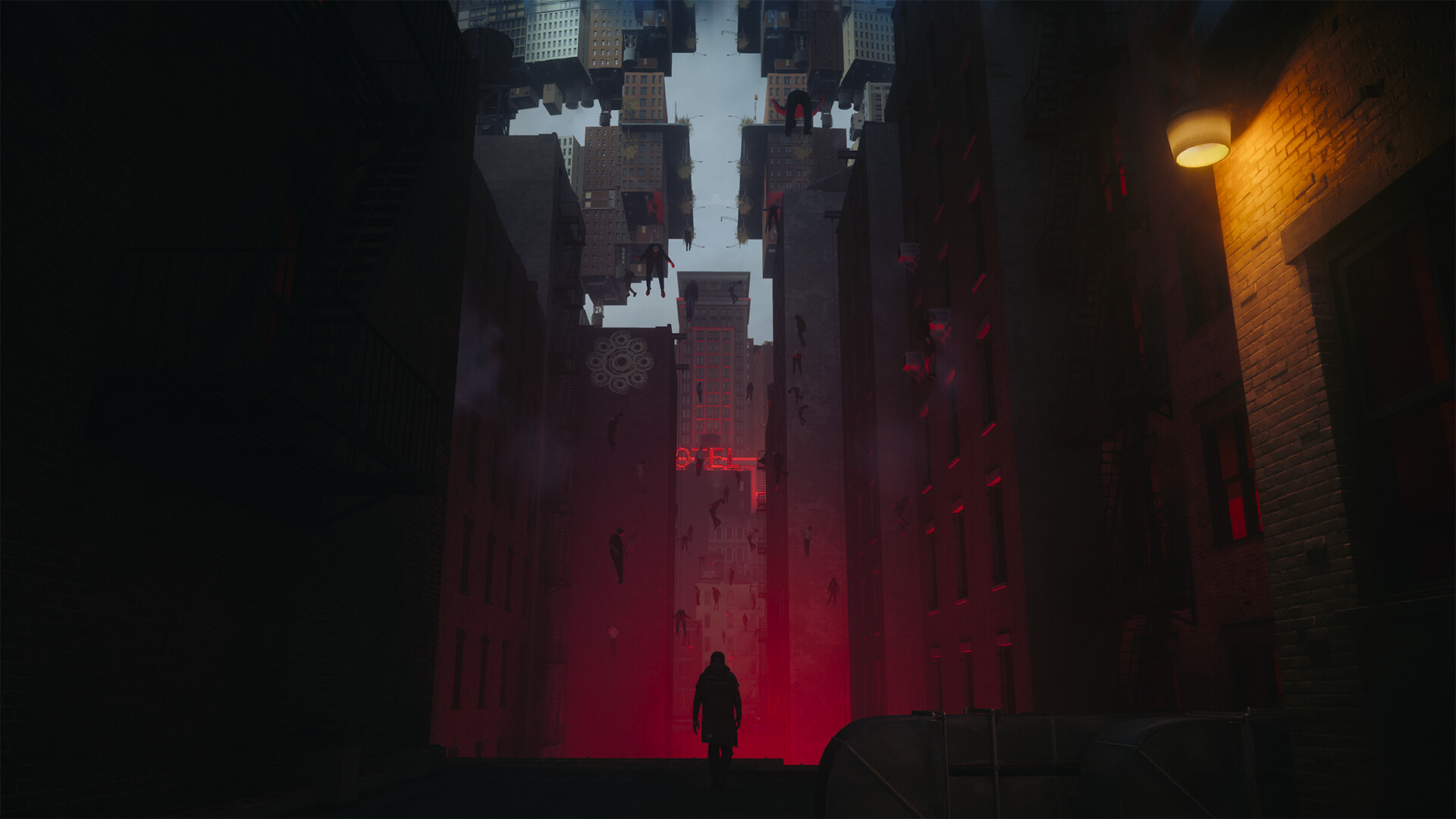
Control Resonant is a gorgeous game. Remedy’s Northlight Engine creates an incredibly detailed version of Manhattan despite how barren and lonesome it can feel. There had to be a few dozen moments where I just stopped during a mission simply because I wanted to take in the environment. If you enjoy games where the world itself is worth exploring purely because of how much detail has been packed into it, well, this is what you’ve been waiting for.
The first Control concentrated its supernatural weirdness inside the Oldest House. It worked, but at times also felt restrictive. Resonant takes that same bizarre energy and blankets it across an entire city. What exists beneath (or above) Manhattan is jaw-droppingly impressive, with some of the strongest level design I’ve seen in a game. Entire sections of the world give way to spaces that feel almost ripped from the Backrooms. Fluorescent corridors, or warmly lit living rooms will connect to impossible architectural spaces that logically shouldn’t exist together, yet somehow form coherent environments. If Kane Parsons hasn’t played Control, he probably should.

Control Resonant’s sound design deserves huge props as well, particularly because Remedy understands something a lot of developers seem to overlook: a great musical score can communicate emotion just as effectively as dialogue. The devs have made brilliant use of Petri Alanko’s soundtrack, knowing exactly when to drive it home or gently pull it back. The same can be said for Finish artist Vilma Jaa, whose sweet-yet-haunting vocals routinely gave me goosebumps. The environmental audio perfectly complements everything around it. Distant Hiss voices, distorted radio transmissions, creaking structures, and the countless smaller sounds of Manhattan give the city a sense of life even when almost nothing is happening.
Minor Hiccups
Resonant isn’t perfect, although most of its technical problems are minor enough that they never really hurt my experience. I managed to get trapped inside a wall once and had to reload a save to escape. Audio cues sometimes failed to trigger correctly. Occasional frame-rate stutters during some of the more chaotic moments are also a thing. Small issues, but worth mentioning. None of this changed how much I enjoyed the game, though. They’re rough edges, not inherent problems, and I’d expect Remedy to clean most of them up through patches during the first few weeks.
Control Resonant is killer. Plain and simple. It takes (not always successful) chances with the combat, occasionally stumbles technically, and sometimes makes things easier than they need to be. Yet none of those shortcomings prevented me from disappearing into it for an entire week, exploring Manhattan, and getting more lost than Clark in the basement of his furniture store. It’s a sequel that completely earns its place beside the original. More importantly, it’s proof of two things: Remedy is still capable of making games that feel unlike almost anything else out there, and nobody tells a story quite like them. It’s easily a must-play, top-10 game of 2026.
***A PS5 code was provided for this review***
The Good
- Phenomenal level design
- Excellent narrative
- Tons of playstyle options
- Stellar soundtrack
- Killer boss fights
- Fun, fluid movement
The Bad
- Combat doesn’t quite feel as good as the original’s
- Can feel too easy at times
- Minor technical issues
- Newcomers will be lost