The Prisoning: Fletcher’s Quest Review
In the 90s, Acclaim dominated the industry, releasing incredible titles that defined the era. After a steady decline that resulted in bankruptcy in 2004, gamers around the world assumed the iconic publisher had seen its last days. Over a decade later, hope arrived from an unlikely source. Wrestling icon Double J Jeff Jarrett, alongside industry veterans, has brought our childhood back from the dead, breathing new life into the publisher. While Katanaut launched last year, The Prisoning: Fletcher’s Quest marks Acclaim’s first home console release since the revival. Will it capture the reckless spirit of the 90s, or will modern expectations prove too heavy to overcome?
You play as Fletcher, a game developer struggling to deal with intense pressure during the final stages of his project. In an attempt to relieve the stress and anxiety that have built up over this period, he visits a psychologist. As the expert places Fletcher in a trance, you become trapped in your own strange mind. Your fragile mental state becomes your prison, and you must overcome the bizarre thoughts that plague you. This leads to a lot of randomness, as you encounter characters from Elden Pixels’ previous games alongside a barrage of strange scenarios, all tied together by a brash sense of humor. While this could be jarring, it manages to sidestep these issues and deliver a fun, zany adventure.
Back to the Classics
The Prisoning: Fletcher’s Quest is a traditional Metroidvania, with paths opening up as you gain new abilities throughout your adventure. Most screens feature multiple exits, requiring you to venture down each route to determine the path to your next destination. While the missions are quite repetitive, requiring you to collect a number of items and take them to a certain character, the journey to complete the tasks is a thrill. Each area is packed with hazards, requiring adept platforming skills and quick reactions to overcome.
Similar to games like Mega Man, you must shoot foes while you leap over dangerous obstacles to reach your desired location. Although there is only a small variety of enemy types, they differ in the way they attack, making you react to each scenario you encounter. Some have homing projectiles and others speed across the terrain, leading to constant movement and a barrage of bullets.
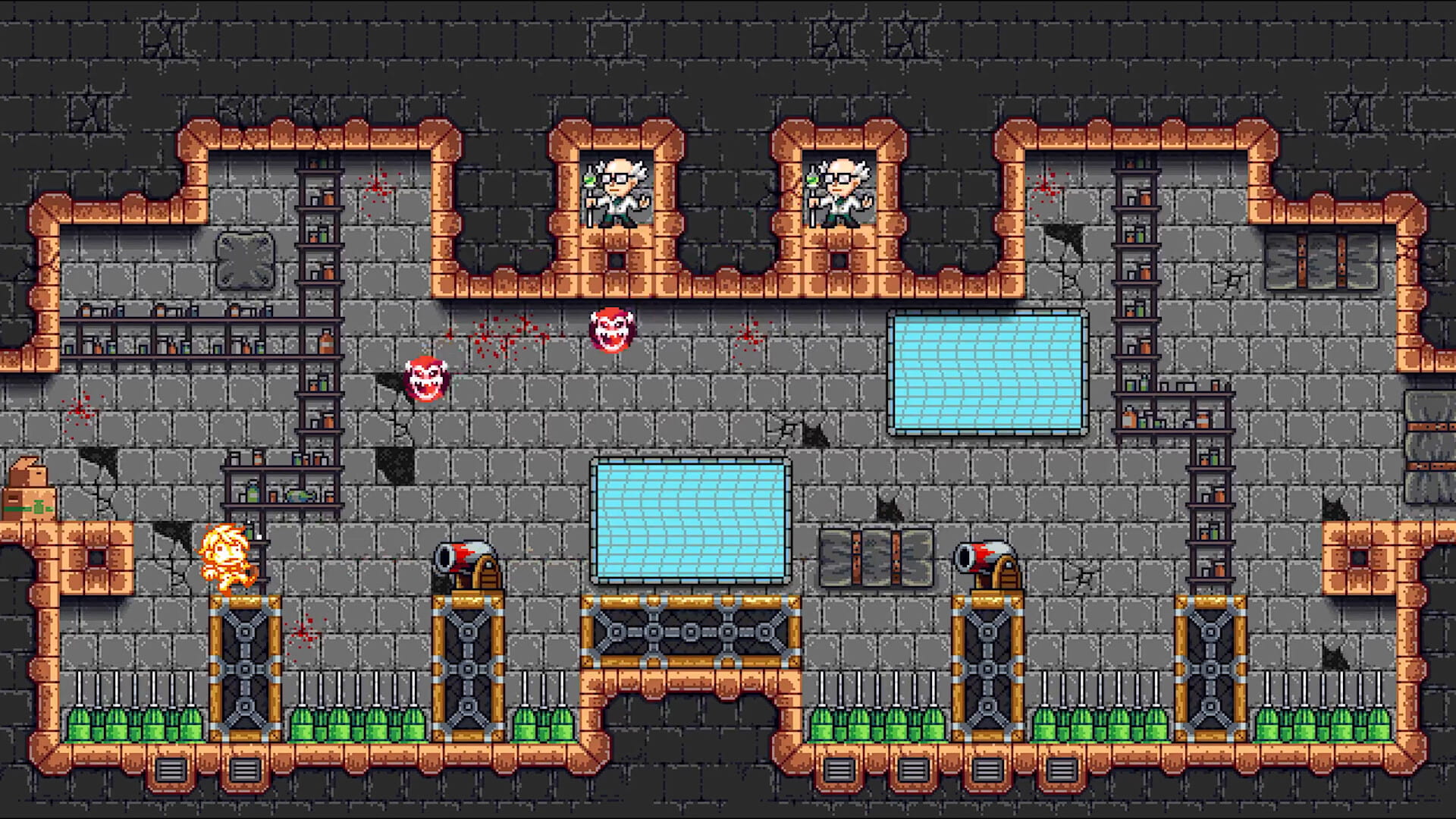
With the capability of only receiving two hits before being sent back to the checkpoint, The Prisoning is a tough game. You will die a lot, but there’s a great sense of achievement when you finally reach the next checkpoint. Each room differs with a variety of dangers that keep you on your toes. However, if you’re struggling with the difficulty, you can turn on Assist Mode. Rather than sending you all the way back, you simply restart from the beginning of the room, making progress much easier. This is a great feature that makes it more accessible while not diluting the experience.
Creative but Confusing
Boss fights are memorable, unleashing a variety of attacks that you must avoid and counter. While these encounters are enjoyable, their design clashes slightly with the overall aesthetics of the game. Although I understand the random nature of the world, more context and cohesion would have helped elevate these segments. In addition to traditional matchups, Elden Pixels also varies the formula with battles in spaceships, chases, and more, keeping each moment of the short adventure feeling fresh.
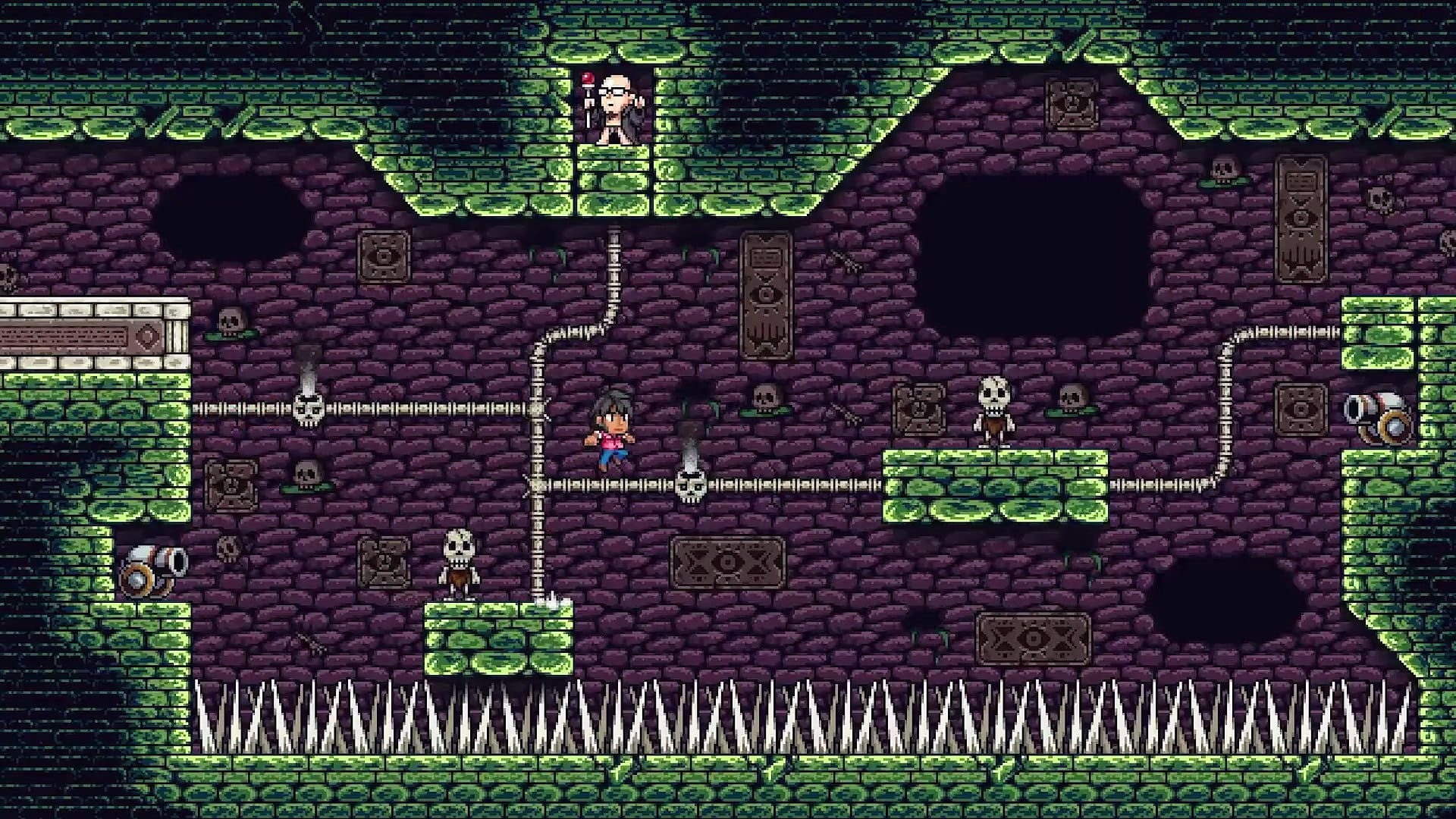
The chunky pixel art looks fantastic, faithfully capturing the spirit of the ’90s in this homage to the era. While there are some inconsistencies in character design, the game still looks great overall. However, it’s the funky chiptune soundtrack that truly elevates the presentation. Remarkably, each zone has a catchy tune that will linger in your head long after the credits roll.
The Prisoning: Fletcher’s Quest is a great little Metroidvania, full of wacky antics and charm. Its tight controls and strong design make the journey through perilous areas a thrill, while the catchy themes linger long after the relatively short runtime. Boss battles are varied and there are some genuinely funny moments; however, the mission structure can feel repetitive, and some of the randomness lacks clear context and doesn’t always land. Despite its creativity and polish, it risks being overlooked in an already crowded genre.
***A Nintendo Switch code was provided by the publisher***
The Good
- Catchy Tunes
- Chunky Pixel Art
- Tight Controls
The Bad
- Repetitive Missions
- Random Elements Don’t Always Land
- Sticks to Conventions