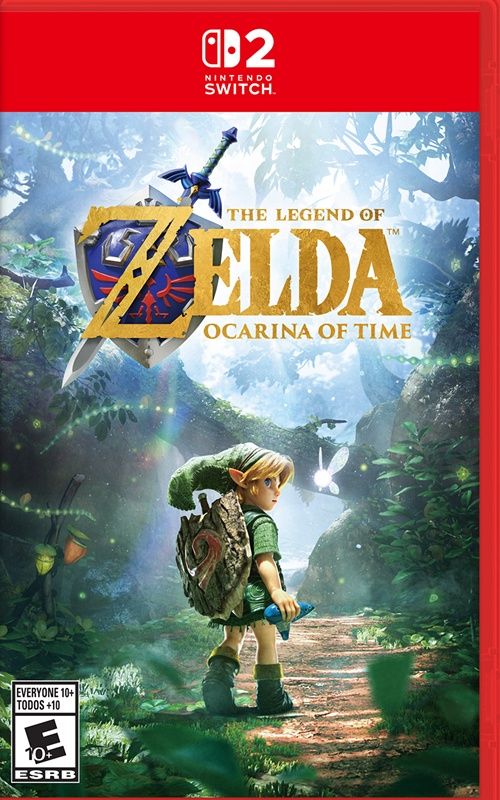
The Legend of Zelda: Ocarina of Time (2026) Review
Every remake comes with an implied question: did we need this? Usually, players can still access the original in some form. It hasn’t vanished into the mists of time and memory. So what’s the draw in doing this game again? For The Legend of Zelda: Ocarina of Time, there are some obvious benefits. N64 games, on average, aged pretty poorly. You’ve got a couple of rare exceptions, but they come from a time when we were just figuring out 3D games. There’s a lot to improve on, in other words. The 2026 version looks awesome (mostly), the controls are seamless, and it feels faithful to the original. Maybe some remakes are worth pursuing after all?
Ocarina of Time is the classic Zelda fable made 3D for the first time ever. It’s got all the hallmarks: the Triforce, a squad of sages, and a whole screen full of magical whatsits essential for saving the world. There’s a reverence for this archetypal story here that’s not quite the same in other entries in the series. Between this, A Link to the Past, and the original Legend of Zelda, you get the sense of a tale eternally told. A sort of myth that cycles around in perpetuity. Other Zelda games explore this idea, but it’s here that the groundwork is really laid down. The 2026 version works hard to reinforce this sense of ageless wonder. Sort of? It’s present more in the musical cues and the visuals than the actual writing.
The Stuff Of Legends
I love this story a lot, but it’s very vague. More of a myth than a proper narrative, really. Ganondorf uses Evil Power to do his wicked deeds. The sages manifest their strength through energy beams and fervent desires. Everyone but Link has a kind of non-specific strength that mostly manifests as a way to move the plot forward. You’re left to fill in the gaps with your imagination, which is perfect. Keeping things so generalized leaves a lot of room for obsessive speculation and theory-crafting. I’d much rather wonder and dream up possibilities than get sandblasted by a massive lore dump every hour.
This means that the aesthetic language of the game does a ton of heavy lifting. The majestic Temple of Time, with that reverent space for the Master Sword. The shocking difference between the castle town of Link’s childhood and what he sees as an adult. And especially the orchestral soundtrack. The music covers a wide range of intense emotions, and the occasional choir arrangement really amps things up. While the actual plot is cheesy and crammed with cliches, it’s elevated to high art by the music and the visuals.
Gorgeous Visuals
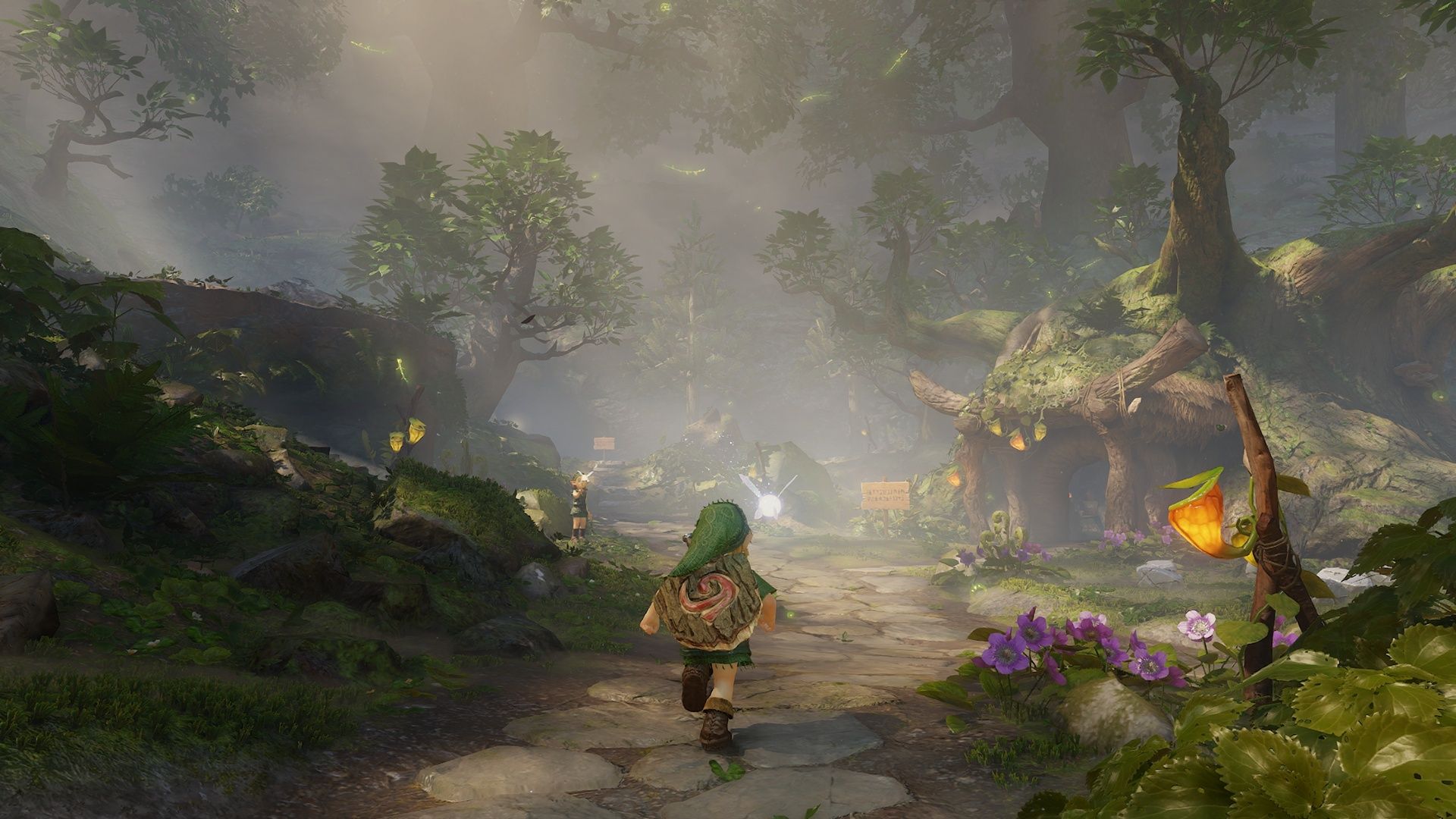
To be honest, the graphics were quite unsettling at first. Nintendo has more or less taken the old N64 version of Ocarina of Time and rebuilt it from the ground up. Every stage is incredibly detailed. Kokiri Forest is full of drifting leaves, waving grasses, and vibrant plant life. The Deku tree is a massive forest god with a beard of vines and a regal bearing. Hyrule Castle Town has been juiced up with alleyways, lively citizens, and gorgeous buildings. The lighting effects are ethereal and entrancing. This world looks about as good as a Zelda game has ever looked before. It barely feels real at first. The character models are more of a mixed bag.
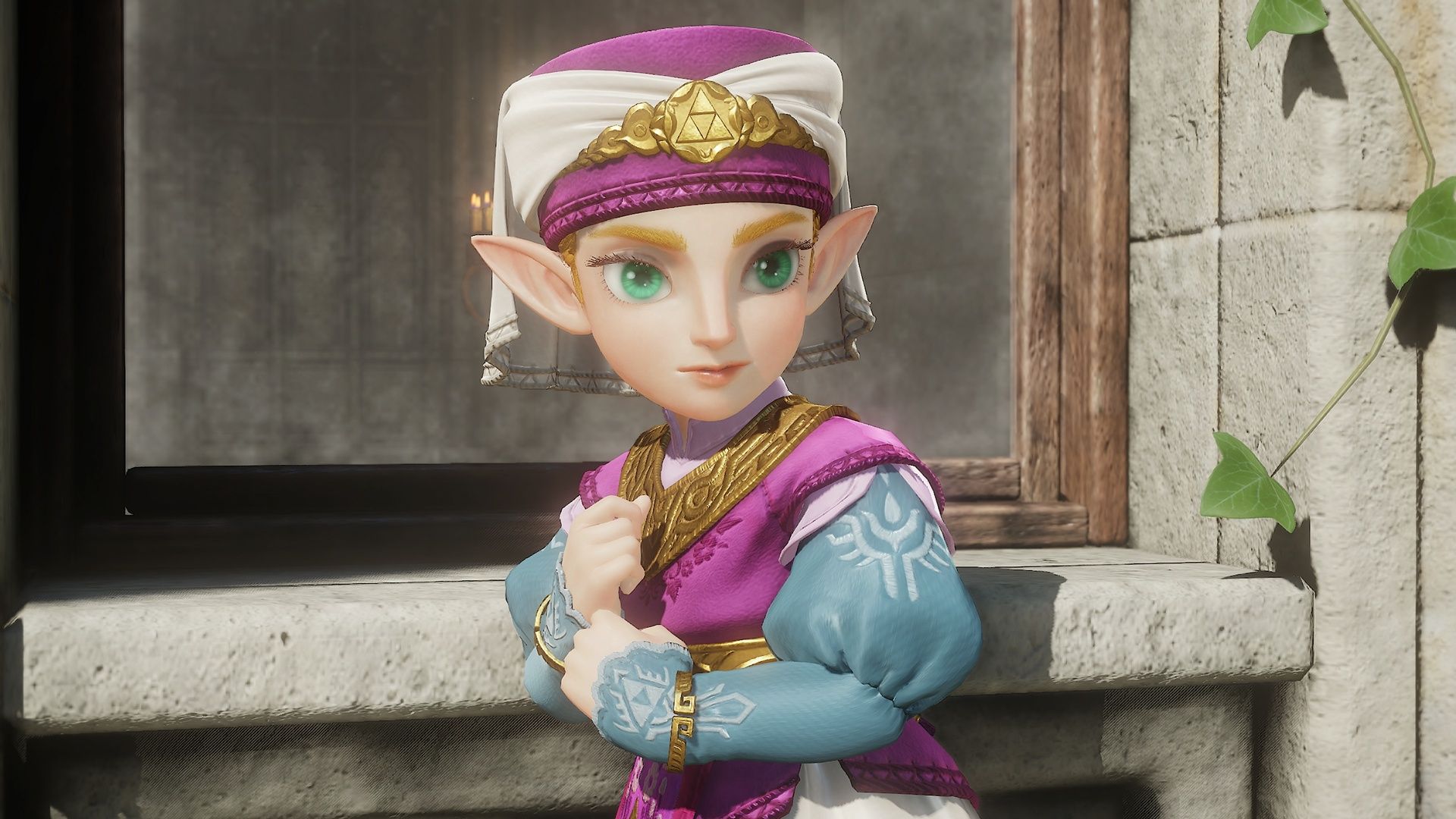
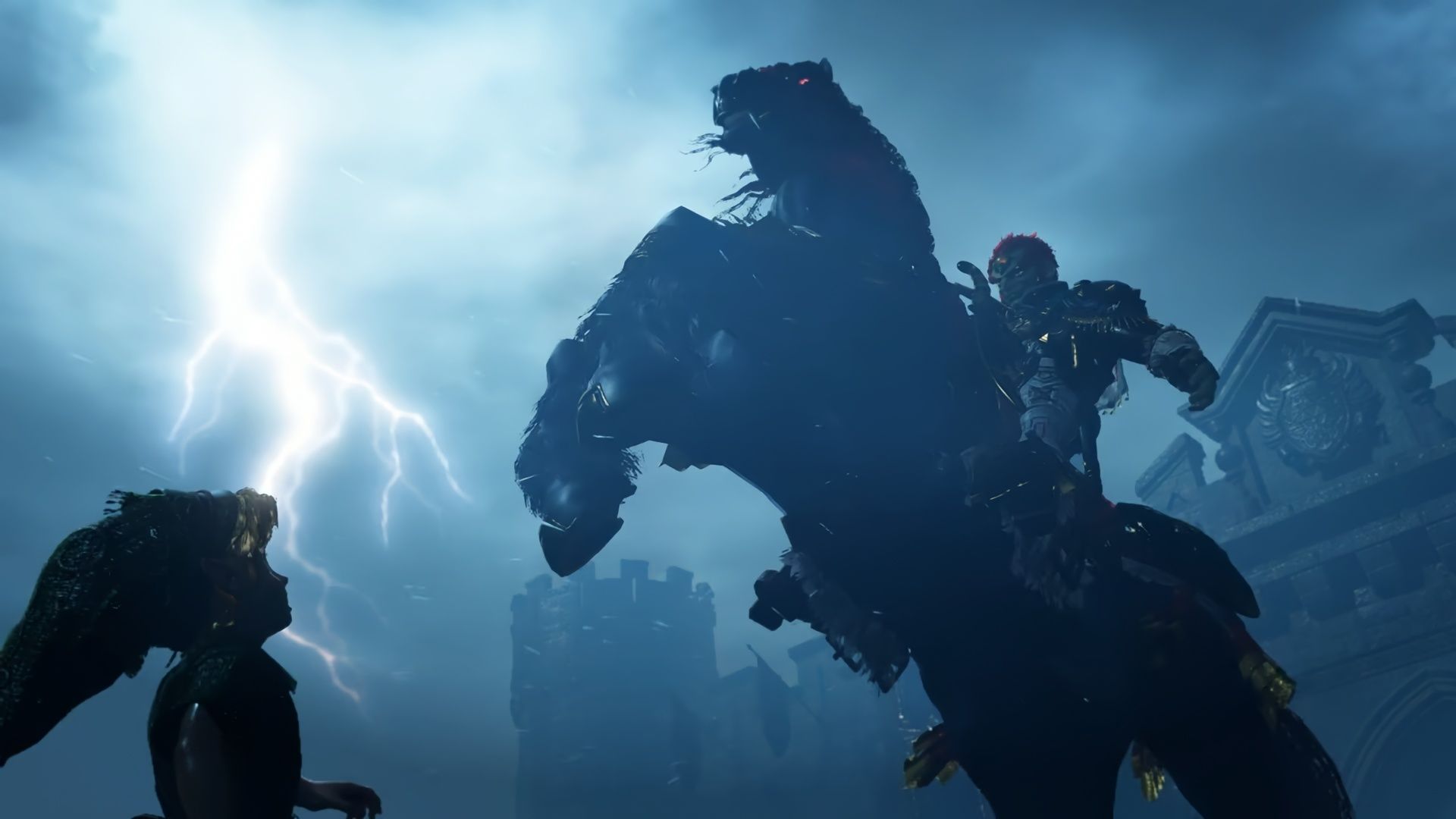
Since this remake is based on the original Ocarina of Time, the devs apparently wanted to adhere to the old models as closely as possible. So they’re all faithful recreations of the original characters. Some of them also look pretty unhinged. Young Zelda has eyes that are genuinely too big for her face, for one thing. Nabooru of the Gerudo clan has incredible skin texture, beautiful clothes, and gorgeous abs. Also her nose is just a triangle. It looks like two different teams rendered different parts of her model. I felt insane seeing her for the first time. On the other hand, most of the characters look so good. Adult link is beautifully rendered. His armor (all three varieties) is unique and quite fascinating. Ganondorf looks extremely cool. Every model has highly detailed clothing and hair. I found myself dragging through cutscenes just to take in every detail.
Distressingly Faithful
This new version of Ocarina of Time has actual voice acting, which rules. I was so excited every time a character talked for the first time. What would they sound like? Would it meet or even exceed my imagined ideal from my distant childhood? I’m happy to report that pretty much every voice was wonderfully chosen. Ganondorf is menacing and powerful, Impa sounds cool, and Zelda is delightful. Even Navi was not nearly as annoying as you’d expect. They also did a great job with Sheik’s voice. Link doesn’t talk, exactly, but his many vocalizations were about what I expected. Unobtrusive and natural.
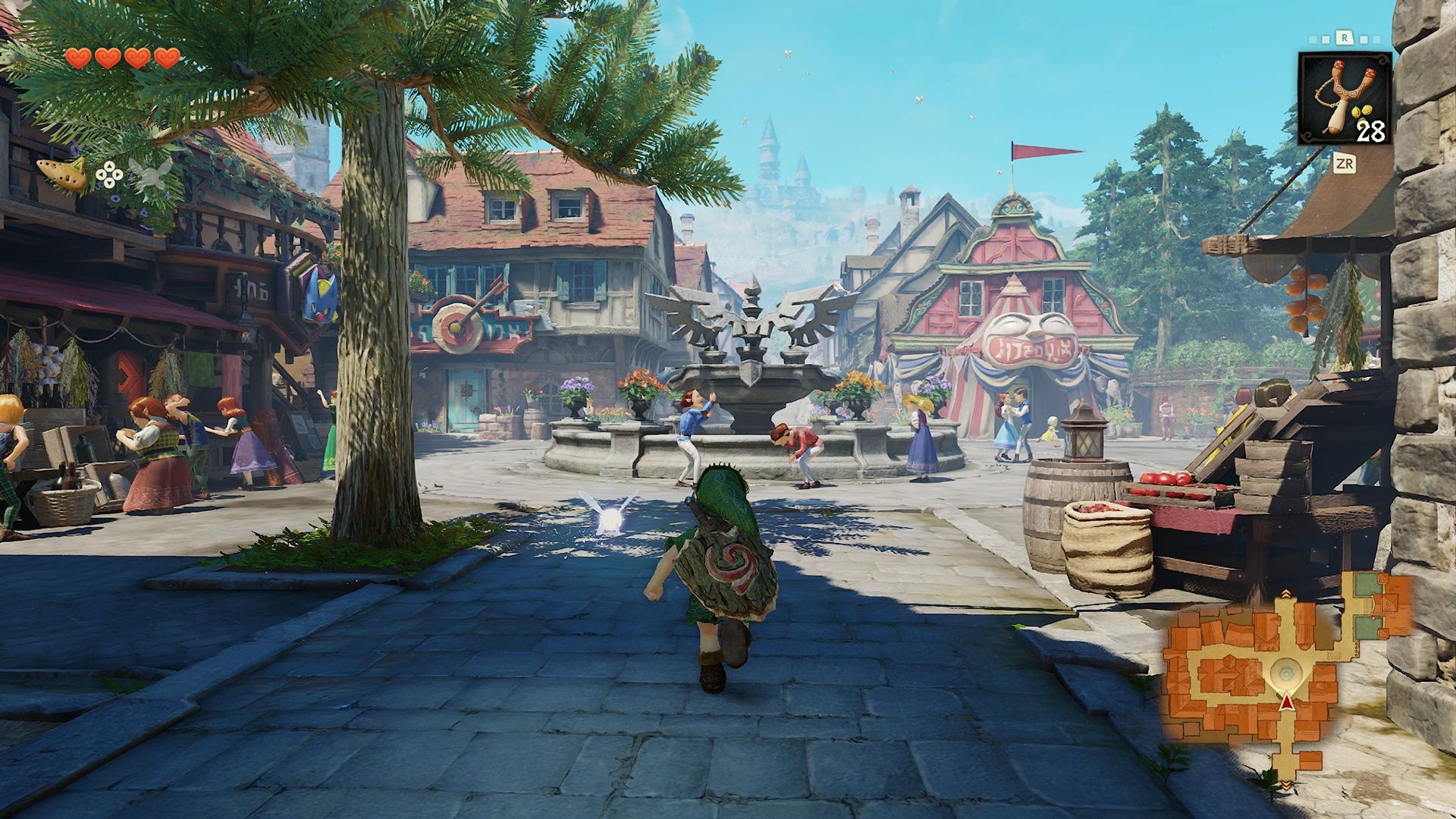
Beyond the impressive aesthetic upgrade, Ocarina of Time also features some more modern controls. You jump with a button, instead of it happening automatically. You can run properly, the camera feels easier to control, and the item system has been upgraded. Now it’s more like the BotW style, where you cycle through your gear with L and R. The Ocarina itself has gotten better as well. Now you can use audio input to play the various songs. So if you know the tune, you can just hum it. Or you can play it on an actual instrument if you want to really show off.
Playing The Hits
Even with all these rad upgrades, the game isn’t perfect by any means. Because Ocarina was designed in the early days of 3D, there are some combat limitations that persist to this day. Most, if not all of the battles you fight involve a lot of waiting around. This made more sense when the camera was an enemy in itself. Now, the combat style is one of those things that will drive you mad once you notice it. Thankfully, most of the combat encounters are pretty fast even if you spend 80% of them waiting very patiently.
Not every remake feels properly justified. I don’t know for certain if the Ocarina remake needs to exist, but it’s a pretty excellent game. The visuals are a huge improvement, the controls are nicely upgraded, and the addition of voice acting is a big plus. Also, you can play an actual instrument to use the songs in-game, which is extremely cool. I’m not totally in love with all the new character models. But most of them are awesome. I also wish there wasn’t quite so much waiting around while you fight, but that seems much harder to fix. At least, you couldn’t really do so and still have it feel like Ocarina of Time. If you’re any kind of Zelda fan, this game is a must-buy. Even if you’re not, this is an excellent way to experience a classic for the first time.
The Good
- Looks amazing
- Upgraded controls
- Ocarina is even cooler now
The Bad
- Some characters look insane
- Still a lot of waiting
- Story is a little corny