Phantom Blade Zero Review
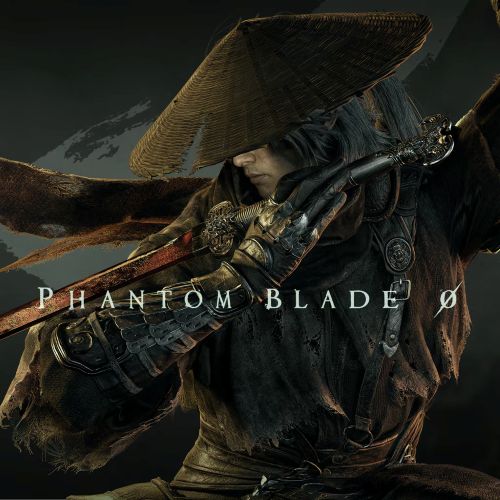
Phantom Blade Zero is deliciously unique. Most action games encourage you to pick a favorite weapon and stick with it. Not here. This slick, eye-catching action RPG made me want to drop whatever I was holding as soon as I discovered what the next weapon offered. That constant curiosity kept me invested even after the story stopped giving me much reason to care. S-Game’s major debut effort puts you in control of Soul, an assassin accused of murdering the leader of his own order. After a mysterious healer brings him back from the brink of death, Soul learns there’s a price attached to his second chance: he has just 66 days left to live. On the flip side, I could spend the next 66 days telling you just how awesome Phantom Blade Zero is.
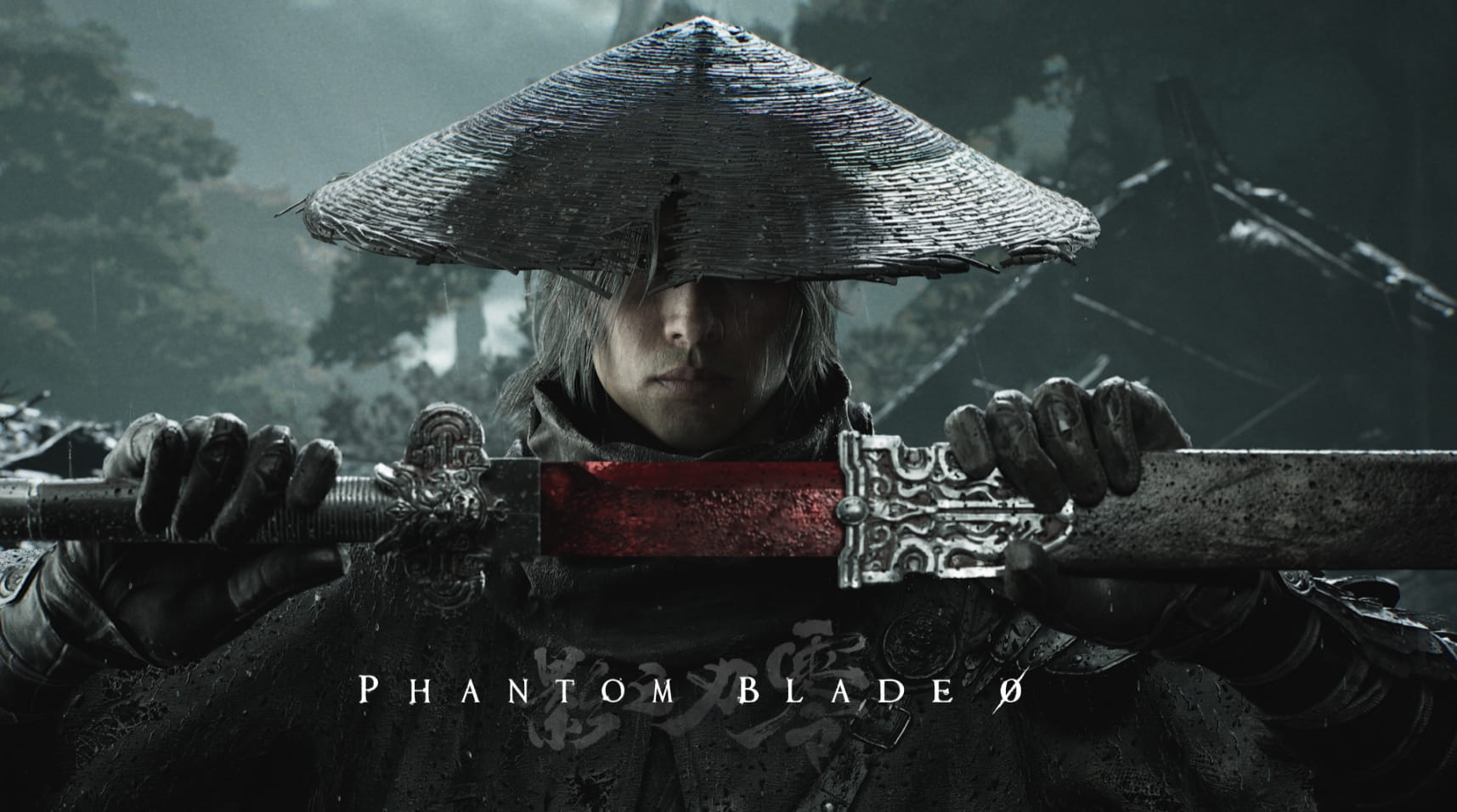
Combat is unquestionably Phantom Blade Zero’s greatest strength. Each weapon has its own set of attack animations, so switching from a lightweight blade to a heavier weapon completely changes how encounters play out. In fact, I struggled to commit to a single loadout because every new weapon introduced another interesting (and fun) way to dismantle my enemies. With 30 primary weapons and 25 secondary Phantom Edges available, there’s no shortage of equipment to experiment with. Soul can carry two main weapons and two limited-use Phantom Edges, which constantly gives you alternative ways to take down the enormous number of bosses. Those daggers aren’t working? Try a heavy sword-and-bow combo. If that fails, grab a shield and a blade that can fly around enemies, depending on how drunk you are.
Precision Required
But most importantly, your success in combat depends on timing rather than button mashing. Parries and dodges work alongside a stamina system, and reckless attacks usually end with enemies putting you in your place. As with any good game in this genre, the longer I played, the more natural everything became. And the combat continued improving rather than becoming stale. Once I was stringing together attacks almost instinctively, it became obvious why the swordplay has earned such a reputation for being like a beautiful, flowing dance.
Character progression also gave me another reason to keep moving forward. Between the skill tree and talisman system, I looked forward to earning levels and gaining new abilities. I often say a game like this can live or die based on its skill tree, and Phantom Blade Zero kept me hooked with its progression system. New equipment seemed to appear around every corner, leaving me constantly debating which pieces deserved a spot in my loadout. It’s the kind of problem I welcome, especially compared to games that barely reward exploration (I’m looking at you, Silent Hill: Townfall). Every new item opened the door to another potential build, making the search for better equipment feel directly connected to the combat and immensely rewarding.
Rewarding Exploration
Phantom Blade Zero’s level design also deserves recognition. Each area has enough personality to stand apart from what came before it, keeping the experience from feeling like one recycled hallway after another. Taking a detour from the main path usually led to something useful, making exploration feel entirely worthwhile. That consistent payoff made wandering around an enjoyable part of Phantom Blade Zero’s runtime rather than another obligation.
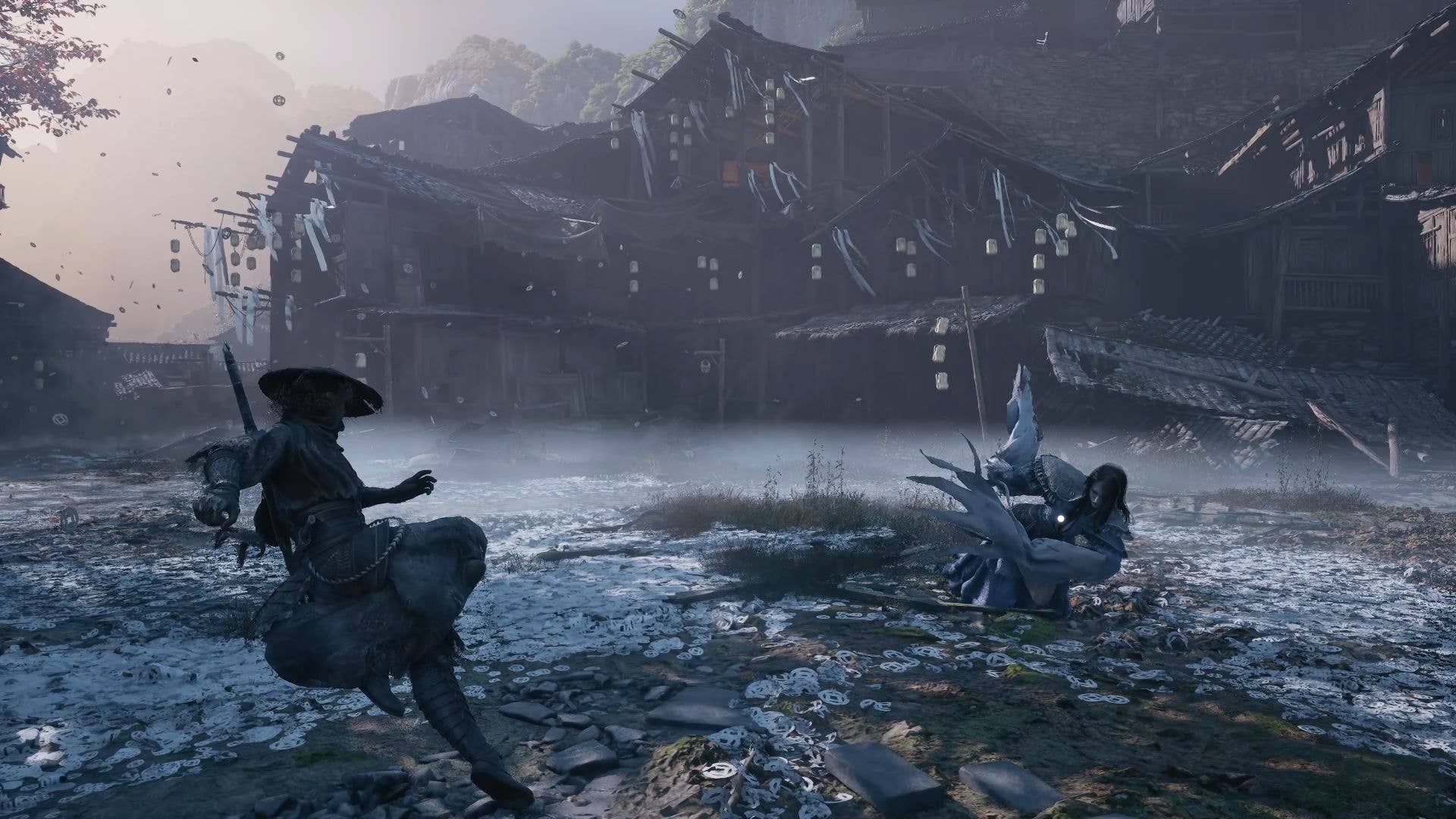
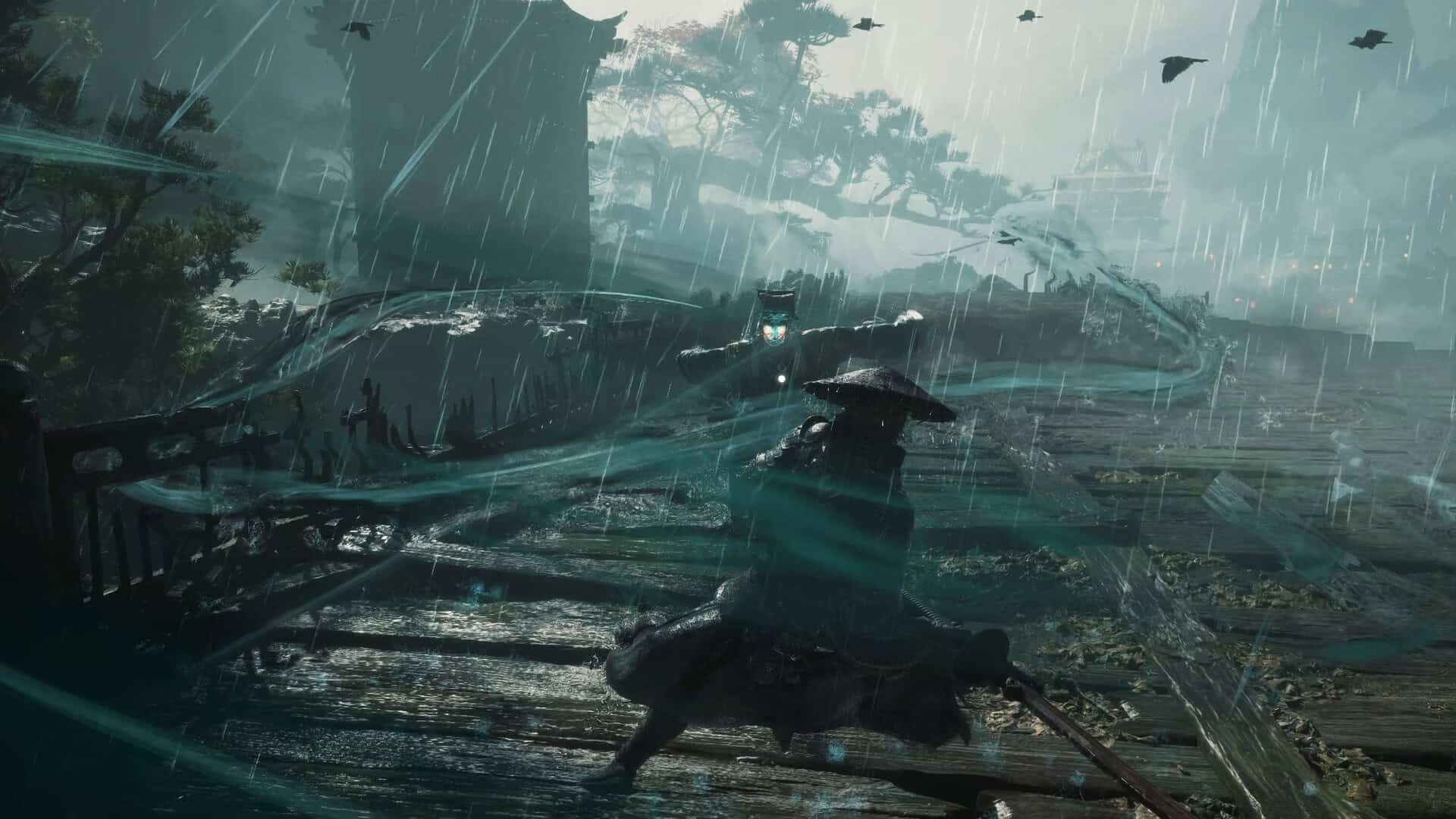
Visually, Phantom Blade Zero looks fantastic. Character models are impressively detailed, while the surrounding environments are equally striking. The wuxia setting gave S-Game’s art team plenty of opportunities to create something memorable, and Unreal Engine 5 helps bring their work to life in ways we anticipated when UE5 was first showcased. It’s breathtaking, really. The audio is generally just as effective. The sound of steel colliding never loses its appeal, although, admittedly, the soundtrack became a sticking point for me. Don’t get me wrong, there’s a lot of pretty music to be heard here. And I understand that the rock influence is an intentional creative choice, but some of the heavier metal vocals felt completely out of place. Whenever one of those tracks would kick up, and the arena would be filled with what sounded like someone passing a kidney stone, I was begging for the release of sweet death, and I don’t mean in the game.
A Script in Need of Re-Writes
Unfortunately, not everything cuts as deeply as Phantom Blade Zero’s combat or visual presentation. The narrative is fairly underwhelming, and I found myself largely uninterested in the events unfolding around me. A story built around a dying protagonist racing against the clock should have me invested in every cinematic. Instead, most of them left me feeling indifferent. The excessive lore collectibles don’t help, either. Every pickup interrupts the action with another lengthy passage to read, creating unnecessary breaks in the pacing. I came here to fight, not spend my time working through paragraphs of mediocre background information. Of course, if the story were stronger, I’d be more inclined to dig into Phantom Blade Zero’s lore. But as it stands, it was often a chore to get through.
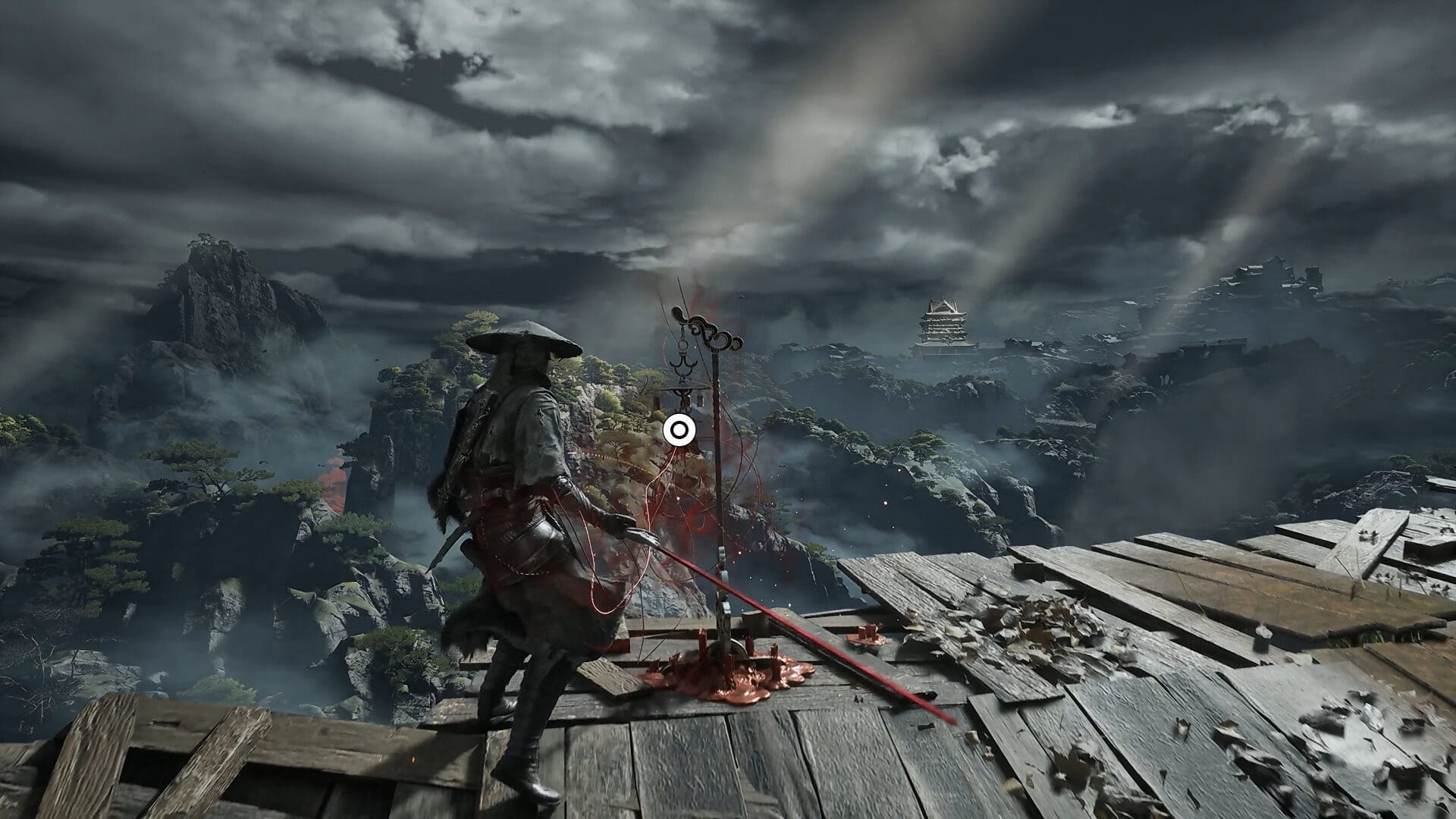
Enemy variety is another area that could have used further attention. What’s available to battle is respectable, but adding another dozen enemy types would have helped considerably. The lack of enemy respawns is also a bit of a double-edged sword. I appreciate not having to deal with encounters I’ve already cleared repeatedly, but the combat is so enjoyable that I often wanted more opportunities to put my weapons to use. Roughly fifty bosses certainly help satisfy the appetite left in the time between those encounters, and many are tricky enough to warrant multiple playthroughs with different weapon combinations.
Technical Issues Be Damned
Though Phantom Blade Zero isn’t without technical problems, even if they are relatively insignificant. Frame rates occasionally dip when large groups of enemies appear, and there were moments when my character was stuck running in place. There are also a few too many invisible walls for my liking. The most frustrating issue, however, is, without a doubt, inputs failing to register, particularly when attempting to heal. Losing a healing opportunity during an intense encounter is likely to be costly. Whenever I died because Soul simply refused to pull out a healing item, it was always followed by sighing and cursing. Thankfully, these problems never seriously damaged my overall experience. When the foundation is this enjoyable, a few technical imperfections are easy to overlook.
I mentioned at the beginning of this review that Phantom Blade Zero made me want to experiment with every weapon I could get my hands on. That feeling hasn’t gone away, even after rolling the credits. Its forgettable narrative and questionable musical choices might fade from memory, but the combat certainly won’t. It’s stylish, violent, and beautiful in all the right ways. I can’t wait to see what this development team comes up with next.
***A Steam key was provided for this review***
The Good
- Excellent combat
- Great progression system
- Gorgeous visuals
- Challenging, but fair
The Bad
- Weak narrative
- Music is hit or miss
- Minor technical issues