Phantom Blade Zero is a Cinematic Spectacle
Over the years, video games and cinema have shaped one another, with games becoming increasingly cinematic while films and television continue to draw inspiration from established gaming properties. Phantom Blade Zero takes the fluid choreography of wuxia and intertwines this with modern action-game design to create a truly wonderful and spectacular adventure.
Combat as Performance
Sword fighting is an art form. The combination of elegant, rhythmic movements, combined with violent slashes where metal meets flesh, looks incredible on the silver screen. Although many titles feature swords as their primary weapon, few replicate the artistry and fluidity of swordplay seen in film. Phantom Blade Zero manages to achieve this feat through its incredible use of animation. Gracefully leaping from enemy to enemy looks great, with slick and stylish movements making each encounter look like a scene from a martial arts flick.
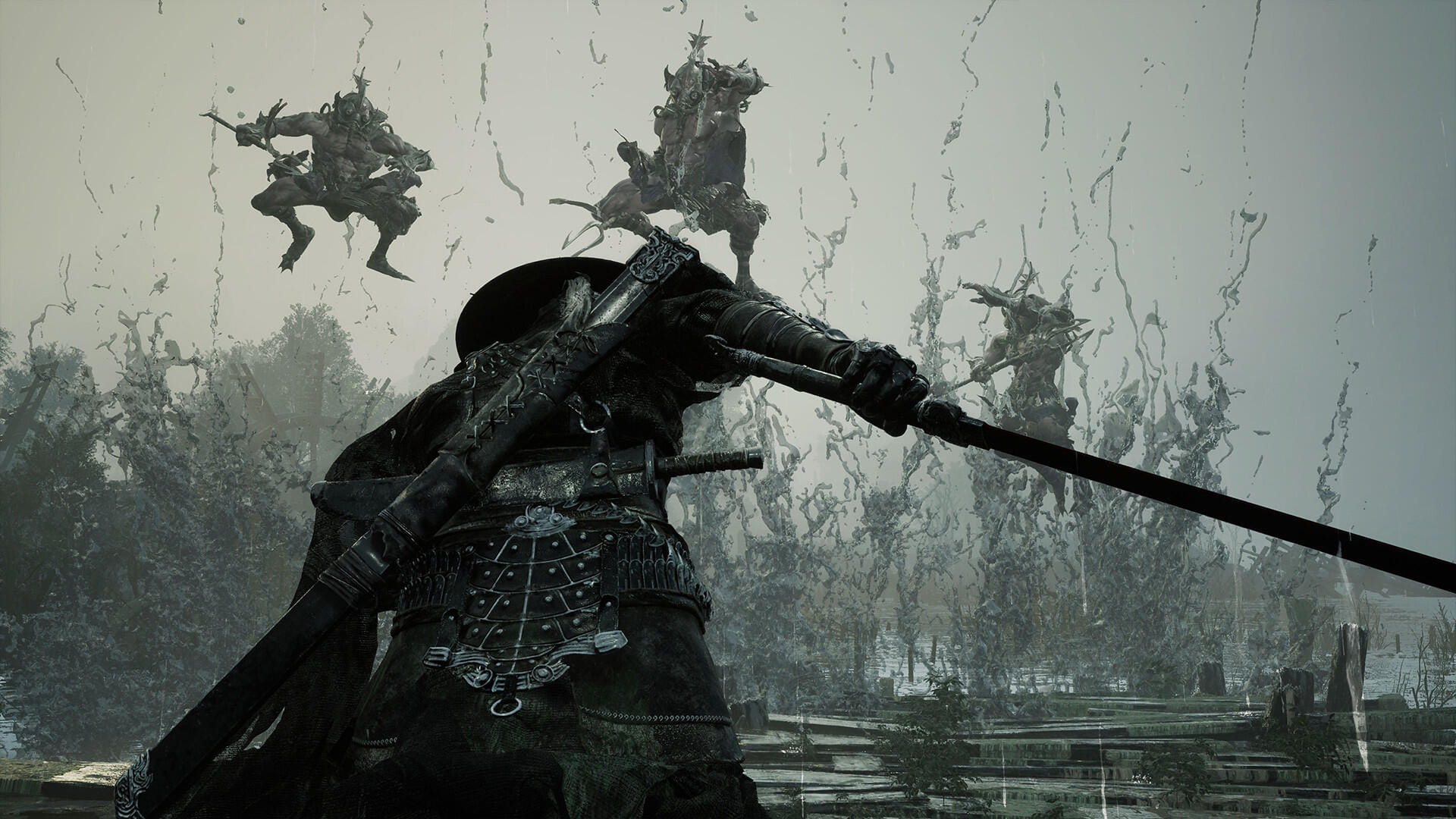
The cinematography enhances the spectacle of encounters. Each segment is carefully staged to build tension prior to battle. The framing adds to this notion, with close-ups enhancing the enormity of each occasion and long shots highlighting the stunning environment where the epic fights commence. Dynamic transitions from cutscenes to gameplay add to the cinematic flair, giving a sense of scale and drama.
Built for the Big Screen
Atmospheric lighting establishes a thrilling mood, beckoning you to explore the rich and dense world. The blend of Chinese architecture and dark fantasy leads to a series of carefully composed sequences that immerse you in a world that feels both haunting and beautifully realised. Peaceful environments contrast the brutality of encounters, enhancing the journey through a beautifully crafted world.
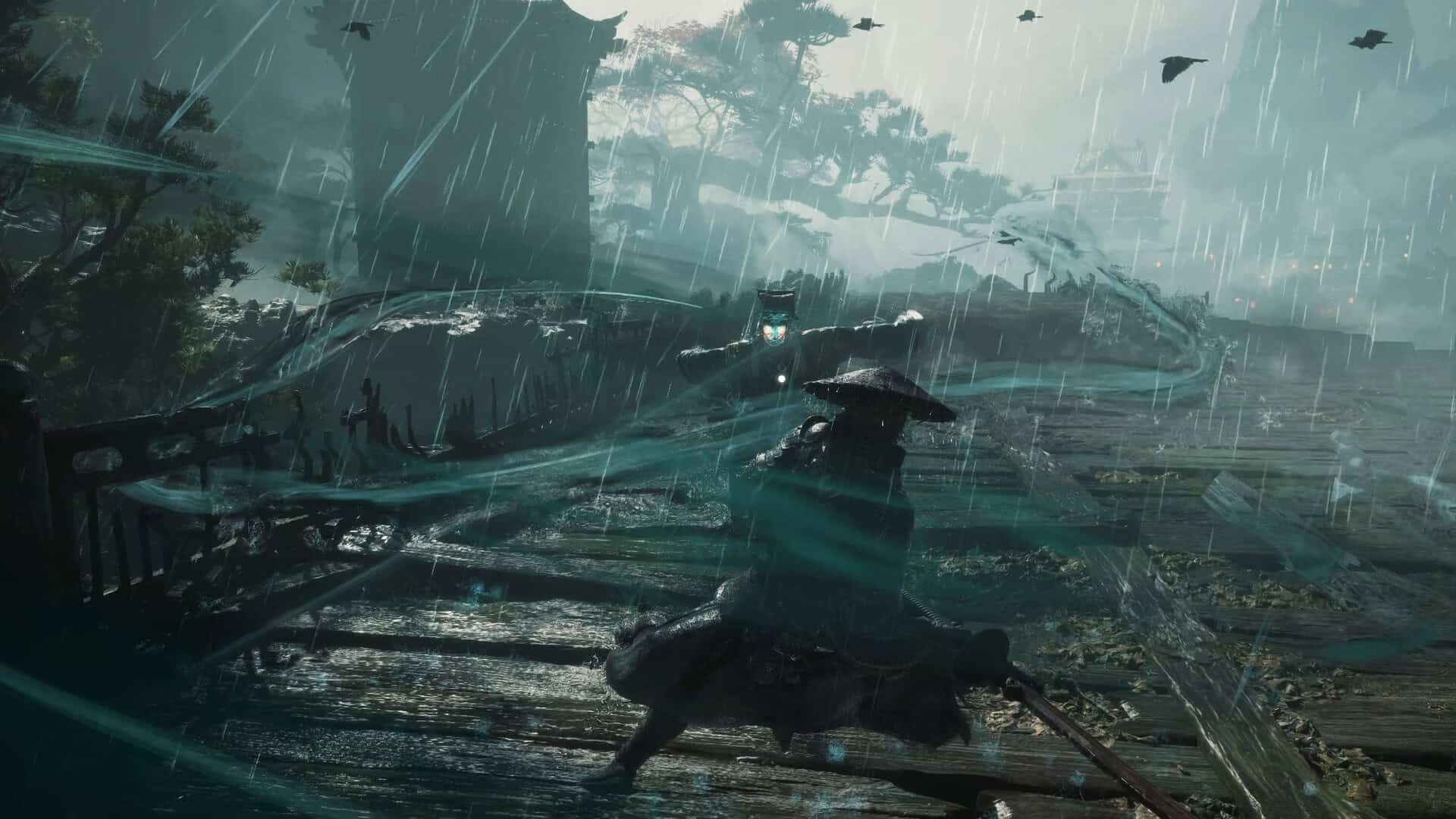
The relationship of audio and visuals elevates the presentation. Metallic clashes of blades cut the air, adding a visceral edge to fights. Each slice of your blade carries weight, making combat impactful. Silence builds anticipation for encounters and music elevates them. From heavy guitar-driven tracks to electronic trap beats, the soundtrack hits hard, making countless memorable moments.
The Influence of Martial Arts Cinema
Influences from classic Chinese cinema such as Crouching Tiger, Hidden Dragon are evident. The exaggerated movements and gravity-defying sequences are awe-inspiring, successfully blurring the lines between film and games. This isn’t merely replicating; S-Game draws inspiration to create its own rhythm and spectacle, creating something unique and distinctive.
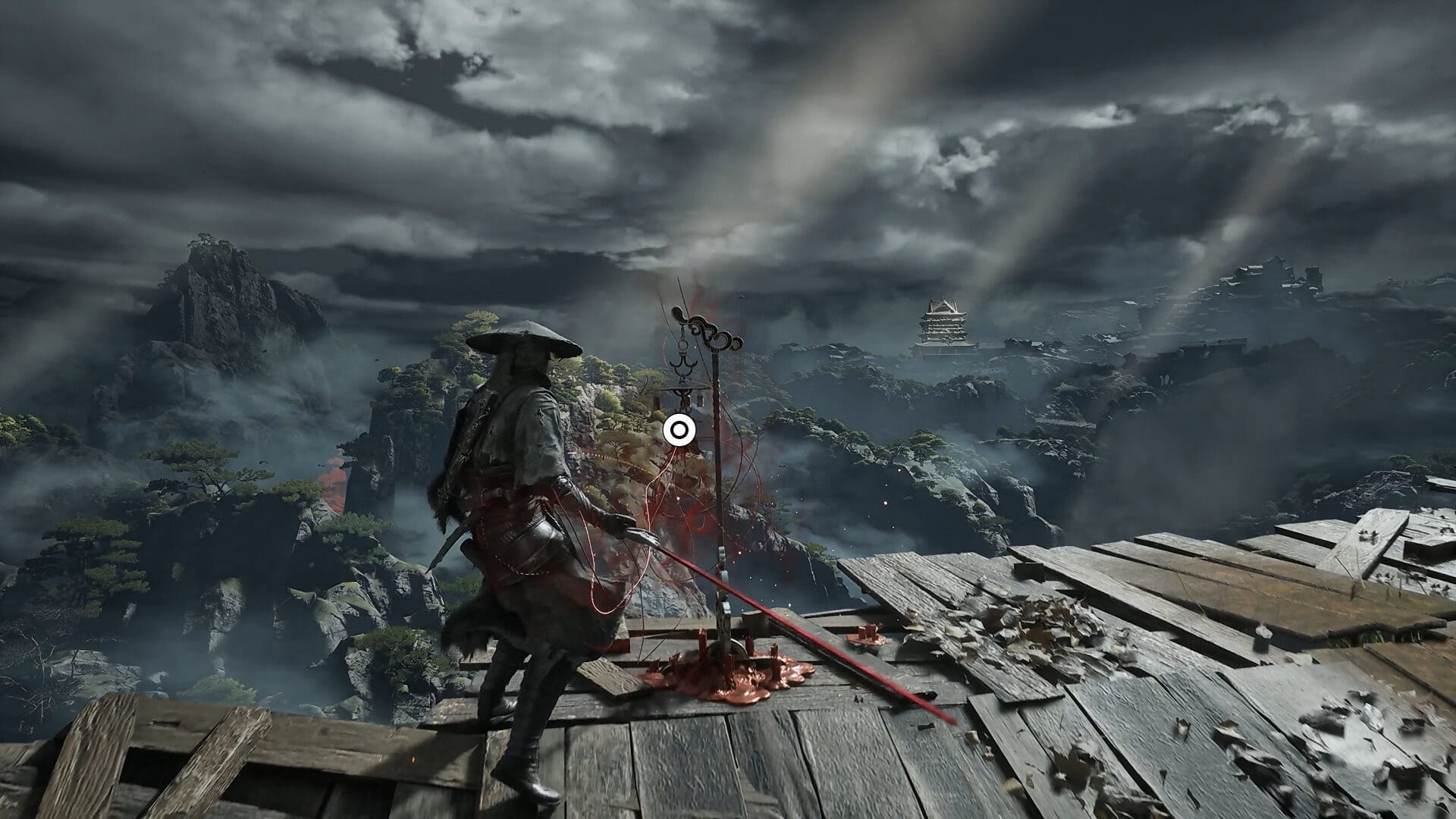
Donnie Yen’s involvement also helps capture the cinematic display. The iconic actor is a co-producer and choreography consultant, and his impact and influence are immediately apparent. Fights are fast and fluid, capturing the high-octane action seen in many of his films. The result is not only more intense encounters but also a visually spectacular display of choreographed violence.
A New Kind of Fight
Phantom Blade Zero combines martial arts, cinematic camera work, atmospheric environments and visceral but elaborate combat to create something truly special. Each moment is deliberate and purposeful, successfully blurring the lines between the mediums. Rather than simply being a spectator of epic battles, you are now part of it. With its responsive controls and cinematic mastery, each encounter becomes an exhilarating spectacle that showcases the artistry and intensity of its combat.
Thank you for keeping it locked on COGconnected.