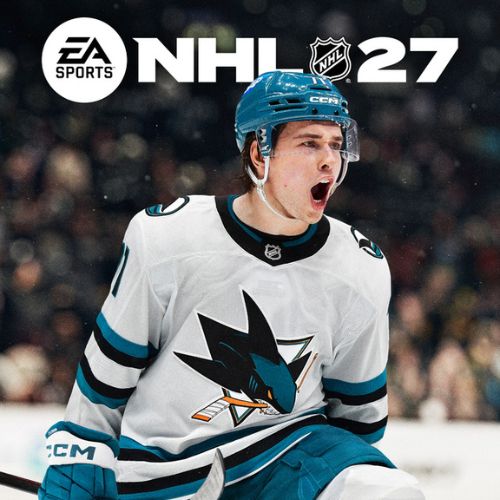
EA Sports NHL 27 Review
I’ve been reviewing the NHL franchise for close to ten years now. I think that’s plenty of time to figure out the difference between genuine iteration and a slick PR campaign. Every September, I just want one thing: clear proof that twelve months of dev time have improved the series in a meaningful way. NHL 27 gives you that in a couple of isolated spots, but it falters almost every other step of the way. Having spent a full week running it through its paces, I’ve already moved on to waiting for NHL 28.
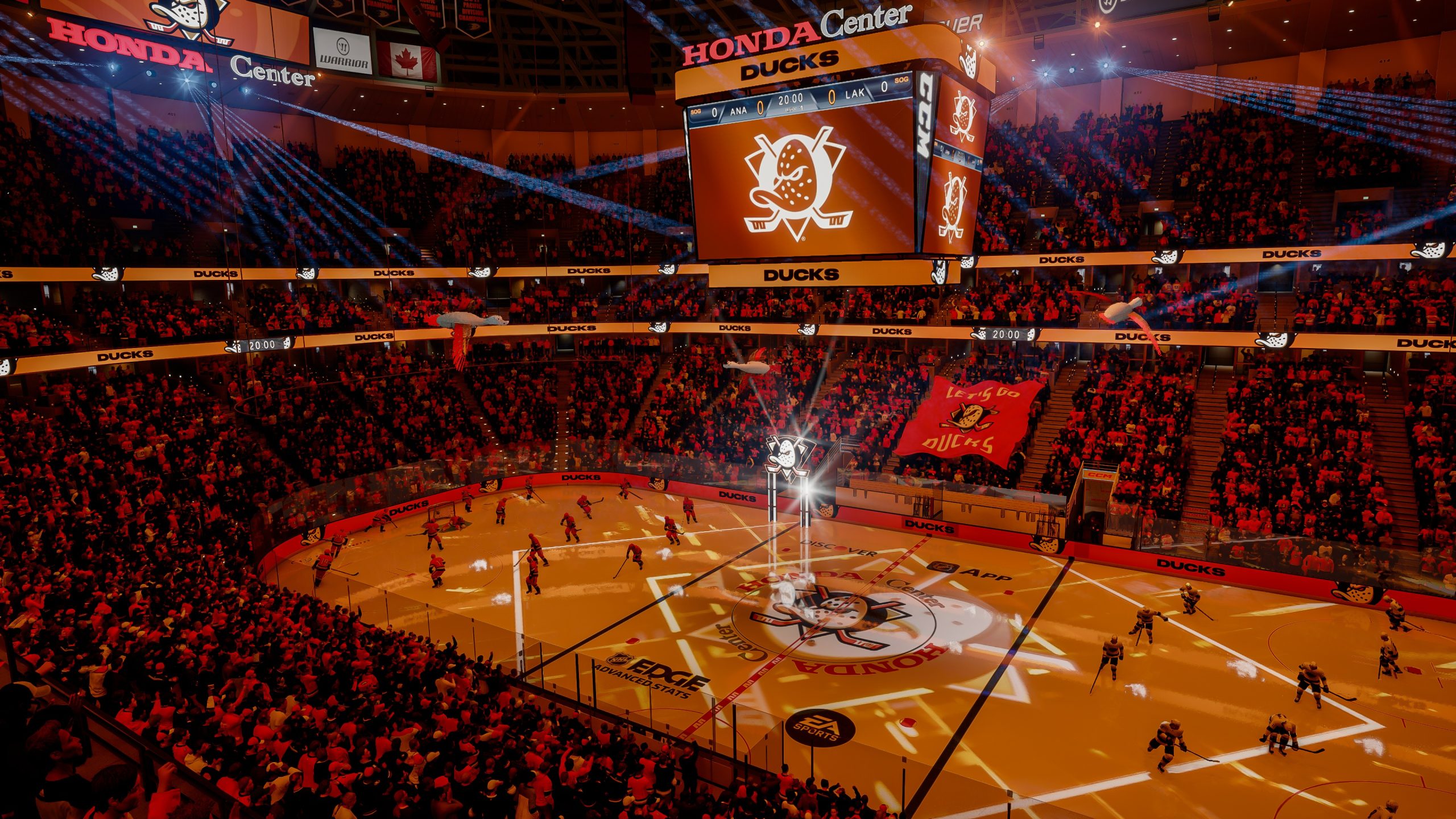
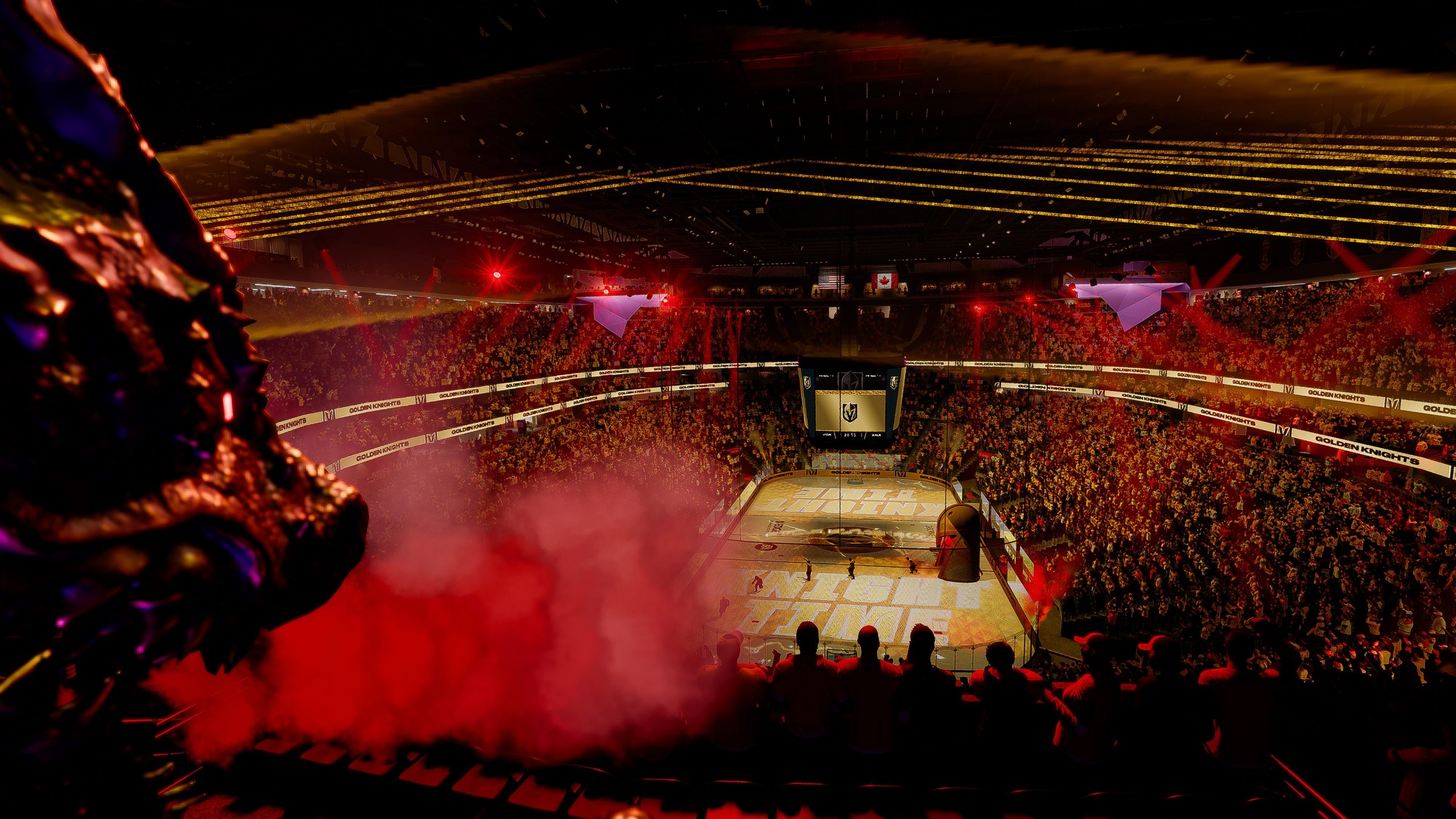
First off, though, I gotta give credit where it’s due: the graphical facelift is real this time around. Skaters are dripping with fine details that simply weren’t there in previous NHL iterations. Sweaters bunch up, pads absorb impacts naturally, and snow covers uniforms with impressive authenticity. Crowds behave like thousands of distinct bodies instead of a flat video loop, while the per-arena lighting setups finally bridge the gap between a console render and an actual broadcast feed. NHL 27 is easily the best the series has ever looked.
New Polish
That polish even reaches the UI, which I’d given up on years ago. It’s been laughable how poorly optimized the menus have been in the last seven or so games. Well, for the most part, the sluggish, half-frozen menus of the past are gone. I fully admit it sounds insane to be celebrating basic system responsiveness, yet here we are. Booting up Franchise, cycling through rosters, or hitting the Ultimate Team hub happens quickly. It’s a modest win, but a welcome one.
I should also praise the soundtrack. Sports games involve a lot of menu navigation. As such, a banging soundtrack is almost mandatory. EA pulled together an undeniably cool playlist, featuring songs from bands like The Black Keys and Kiss.
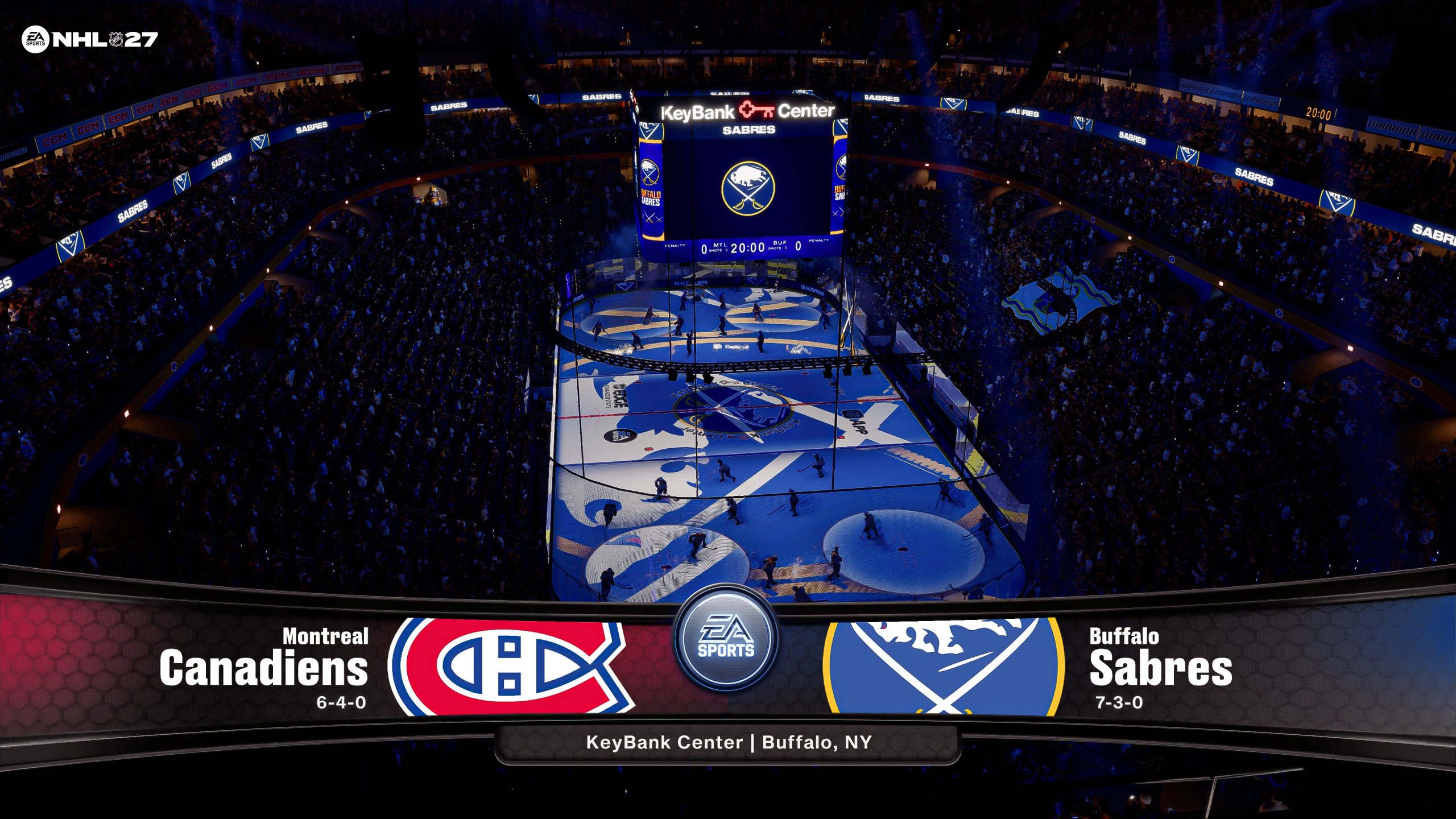
Audio from up in the booth is a bit different, however. Shaking up the commentary after years of stale banter sounded great, but the execution leaves much to be desired. Much of the time, Buccigross and Pang sound like they’re cold-reading cue cards rather than following live play. The cadence is off, genuine excitement is rare, and bad contextual calls happen frequently enough to break any illusion of a live game.
Peeling Back the Layers
Once you start to peel back NHL 27’s new layers, it quickly stops feeling like an evolution and starts looking like nothing but another infuriating roster update. Connected Franchise, specifically, is one of the biggest slaps in the face that NHL fans have ever received. Get this: if you don’t have 32 real people to play with, your franchise will forever be incomplete.
Pushed heavily as the resurrection of a community-favorite feature, the actual implementation is a train wreck. Hell, call me Lindy Ruff, because it is an absolute JOKE. Put plainly: if you don’t have an active human running a franchise, NHL 27 doesn’t backfill them with AI—it literally deletes those teams from the league structure entirely. A four-player online league is just a four-team tournament. EA figured this out during the Xbox 360/PS3 generation with GM Connected, which seamlessly let the CPU run vacant teams. Dropping that basic framework today makes this one of the most baffling design calls in modern sports gaming.
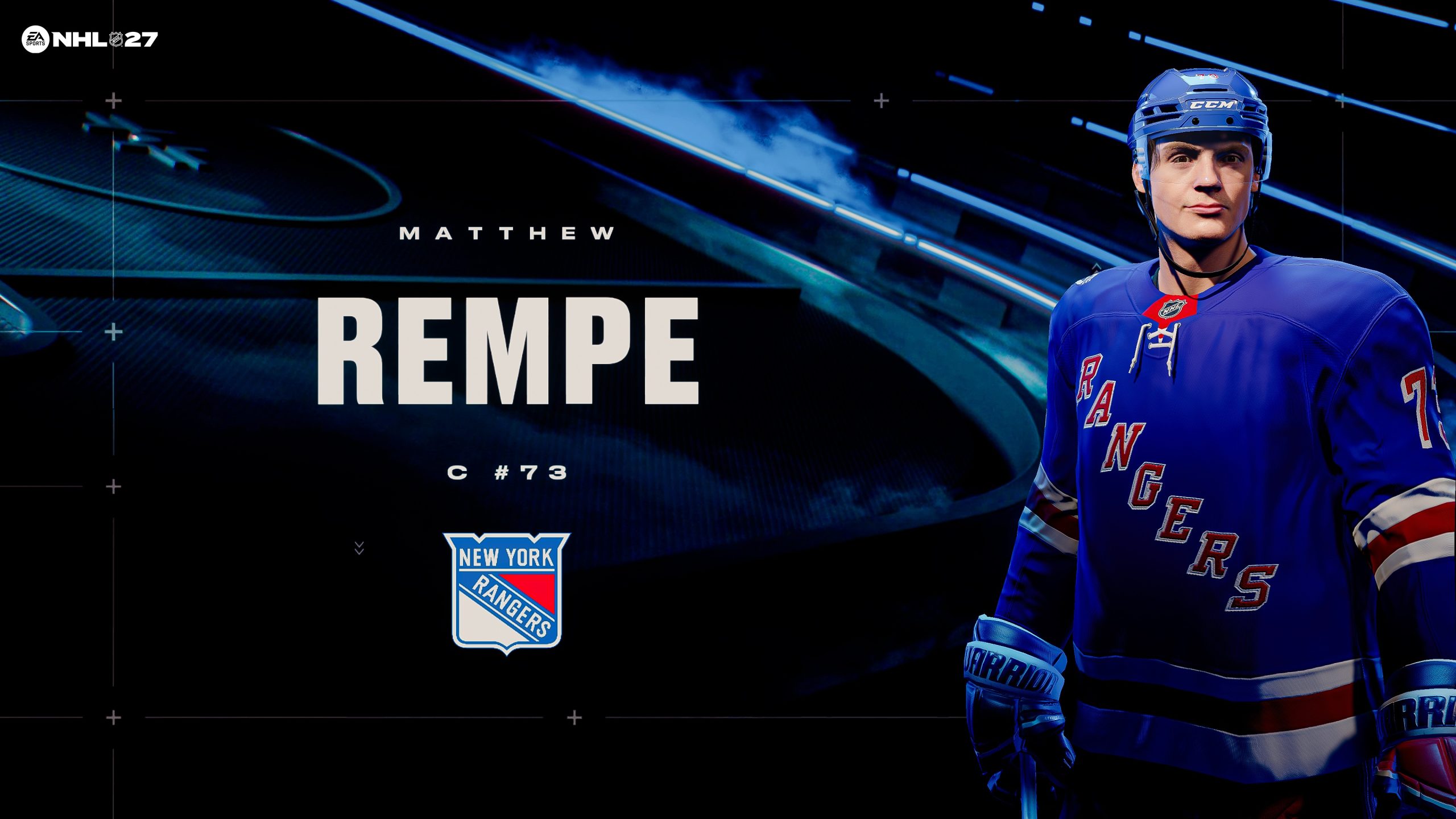
Then we have “playbooks.” These promised genuine strategic variety, but they simply don’t translate to gameplay. Side-by-side breakdowns against actual footage reveal glaring discrepancies, and my own ice time mirrored that. For example, the Kings’ breakout from their own zone is no different than that of, say, the Sabres or Predators. I know this engine well enough to spot when a team shifts its neutral-zone trap or forecheck, and these playbooks didn’t force a single meaningful tactical adjustment. If they did, I never noticed, and every team feels exactly the same.
Mixed-Bag
Stepping onto the ice provides a mixed-bag type of experience. New goaltender motion captures are fantastic; sprawling saves and rebound controls finally feel realistic, and seeing a tender go cross-crease to make a spectacular, highlight-reel glove save is awesome. Yet right alongside those high points, the skaters still suffer from the same jerky, twitchy, spastic physics that have dragged down the moment-to-moment gameplay for years. And I routinely came across moments where players would clip through each other, for example. The second a physical collision doesn’t register cleanly, the immersion shatters. That sucks.
Be a Pro teased a fresh narrative angle with a brand-new draft night sequence, but it ends up being a limp, lifeless cutscene devoid of any real tension. What should feel like reaching the mountaintop comes across like a loading screen with a voiceover. Once that wraps, you’re right back into the familiar grind of canned interview questions and tedious stat menus. It functions fine, but it’s undeniably dull.
Where does that leave NHL 27? Square one, of course. Aesthetically and structurally, it’s the slickest package EA has turned out in years. But the second the puck hits the ice, you’re essentially playing NHL 26 dressed up under hot new lighting effects. If high-end presentation and lighting carry a sports title for you, there’s enough here to justify jumping in. If you’re holding out for fundamentally revamped hockey, I think we’ll get that sometime around NHL 61.
***A PS5 code was provided for this review***
The Good
- Massive visual upgrade
- Snappy menus
- Strong soundtrack
- Goalie animations
The Bad
- Absolutely embarrassing Connected Franchise mode
- Same predatory HUT
- Playbooks change nothing
- Tons of animation jank
- Boring Be a Pro