Metal Gear Solid: Master Collection Vol. 2 Review
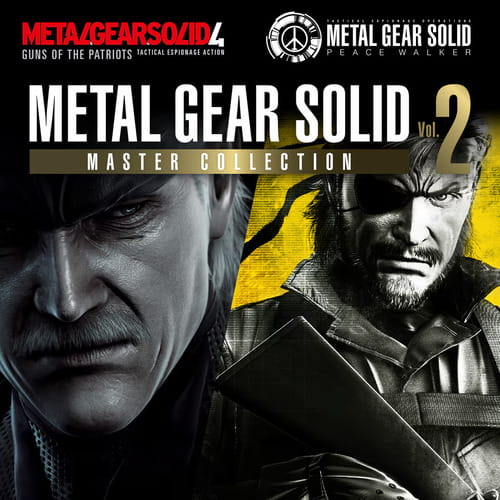
When Metal Gear Solid: Master Collection Vol. 1 dropped in 2023, fans knew it was only a matter of time before MGS 4 would finally be released from the shackles of the PlayStation 3. With Vol. 2, the renowned fourth entry takes centre stage, while the handheld phenomenon Peace Walker and Ghost Babel round out the offering, creating a remarkable compilation that celebrates Snake’s legacy. As MGS 4 was famously built with PlayStation’s Cell architecture in mind, has Konami managed to deliver a perfect port befitting Solid’s last adventure, or does this long-awaited collection fall short of expectations?
First and foremost, there’s something special about seeing Old Snake on modern consoles. Released 18 years ago, many thought Solid’s final adventure was doomed to fade away, becoming nothing more than a relic of the PS3. However, after testing the waters, Konami has put in a herculean effort to not only port the epic but improve it, preserving a legendary title for future generations.
He Who Controls the Battlefield, Controls History
For those unfamiliar with the franchise’s complex history, Guns of the Patriots takes place six years after MGS 2 and serves as the chronological conclusion to the series. Set in a world ravaged by war, military contracts have become currency, with private forces selling their services to the highest bidder. With cities and streets becoming potential war zones, Liquid Ocelot has risen to power, controlling five of the largest PMCs. Called out of retirement for one final mission, Snake must infiltrate the region and assassinate Ocelot. However, with the deadly Beauty and the Beast Corps protecting his every move, this is a difficult task even for the legendary elite field agent.
Snake is drastically different from MGS 2. Suffering from accelerated aging due to cellular degeneration, he struggles with numerous physical aspects, which adds a relatable human quality to his previously stoic persona. Dubbed Old Snake, he now moves with caution and suffers from an illness affecting his stamina and psyche. Due to this, stealth is vital, especially in the early portions of the game. You now have access to the new OctoCamo, which allows you to blend into your surroundings upon contact. This is a great system, giving you the ability to sneak into open and urban areas.

With over 8 hours of cutscenes, Metal Gear Solid 4 is a cinematic masterpiece. From huge action set-pieces to poignant and intimate conversations, each scene is wonderfully directed, showcasing some of Kojima’s greatest work. While the multilayered plot houses many twists and turns, it can be difficult to grasp each narrative thread, especially as some are far-fetched. However, these coalesce into an incredible tale that brings together the many characters, factions and events that have shaped Snake’s legacy.
A Steady Aim
Fluctuating from 30 to 20 FPS, the original game struggled to maintain a consistent frame rate, ultimately hindering the adventure. This is no longer the case in the Master Collection Vol. 2, as Guns of the Patriots runs at a smooth and steady 60 FPS. Not only does this improve the moment-to-moment gameplay, but it also makes the action feel more responsive, allowing Snake’s movements and combat to feel smoother than before.
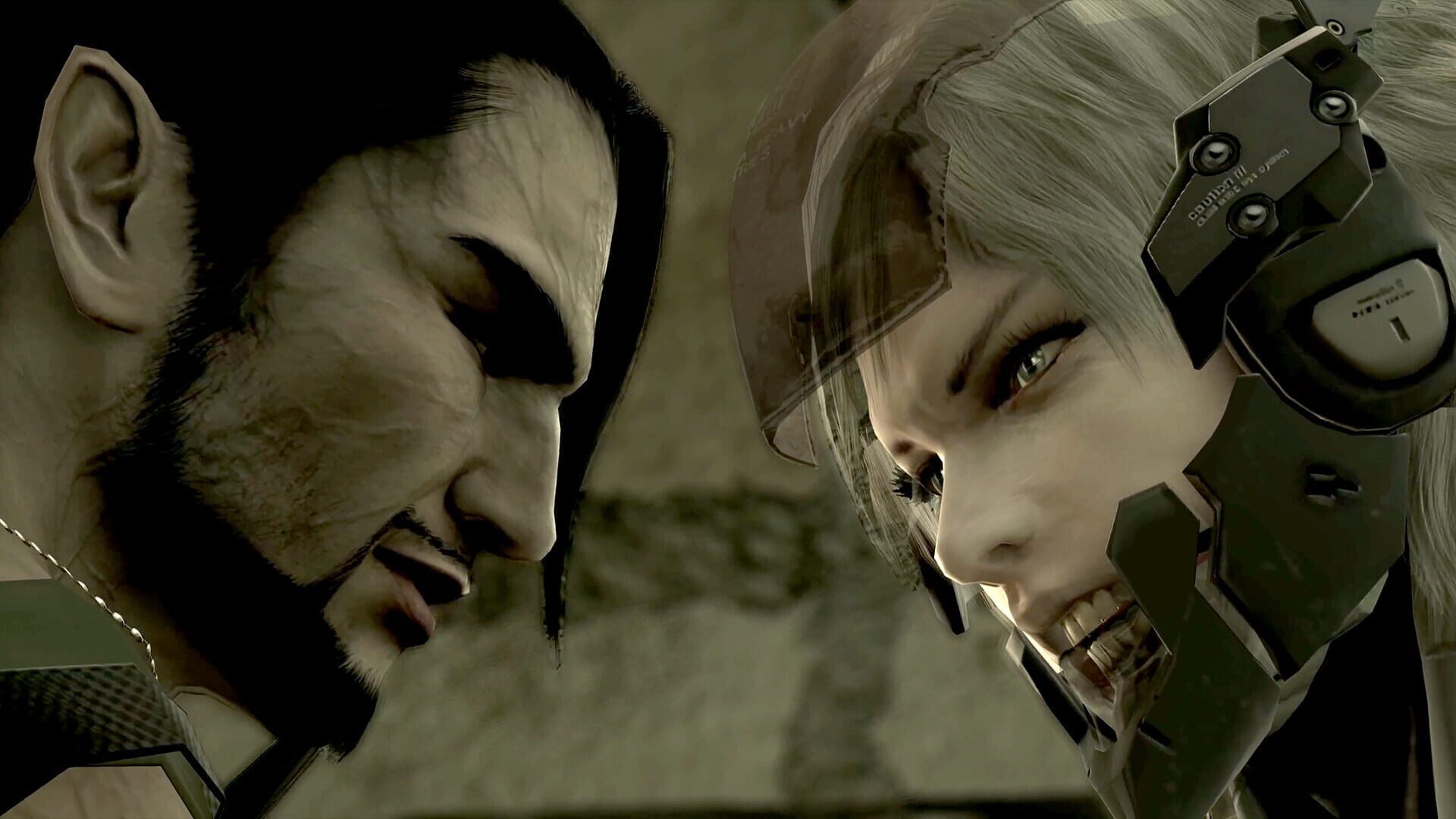
Although a PS3 game, the visuals also hold up. Environments are varied, each telling a tale about the effects of war with debris littering the streets and scars marking surfaces. The smaller, well-designed areas make each location feel detailed and purposeful. This attention to detail extends to the character models, with their animations helping to progress the narrative. While they do have a slightly plastic shell, they remain expressive, with subtleties that bring each character to life.
Also included in the package is Peace Walker. Originally released for the PlayStation Portable in 2010, the developers designed the game as a pick-up-and-play experience. With this focus and the limitations of the handheld device, Kojima managed to reshape Metal Gear while maintaining the spirit of the franchise. Gone are the cinematic cutscenes, and in their place is a dynamic comic book-style approach to storytelling. Although different, these sequences maintain the style synonymous with the series, resulting in an engaging narrative that extends the story of Big Boss.
Back to Big Boss
Taking place after Snake Eater and Portable Ops, Snake has founded Militaires Sans Frontieres, a militia for those who need help. After learning that the CIA has invaded Costa Rica and that the Boss may still be alive, he decides to get involved. While MGS 4 is a complex tale weaving together strands from multiple characters, this is a rather straightforward tale, and one that thrives because of it. Snake is still dealing with the loss of Boss and this is a central theme in the adventure. He hopes she’s alive and seeks answers about why she was forced to betray him and what truly motivated her actions.
In many ways, Peace Walker laid the foundation for MGS V by establishing the mission-based structure and base-building mechanics that Kojima later expanded upon in his final entry in the franchise. Not only did the smaller, focused missions help with playing in short bursts, it also led to the inclusion of co-op, which is available in this collection. Playing missions together is wonderful, capturing the notion of being part of an elite squad. Unfortunately, Konami has omitted Metal Gear Online, the PvP component that accompanied MGS 4.
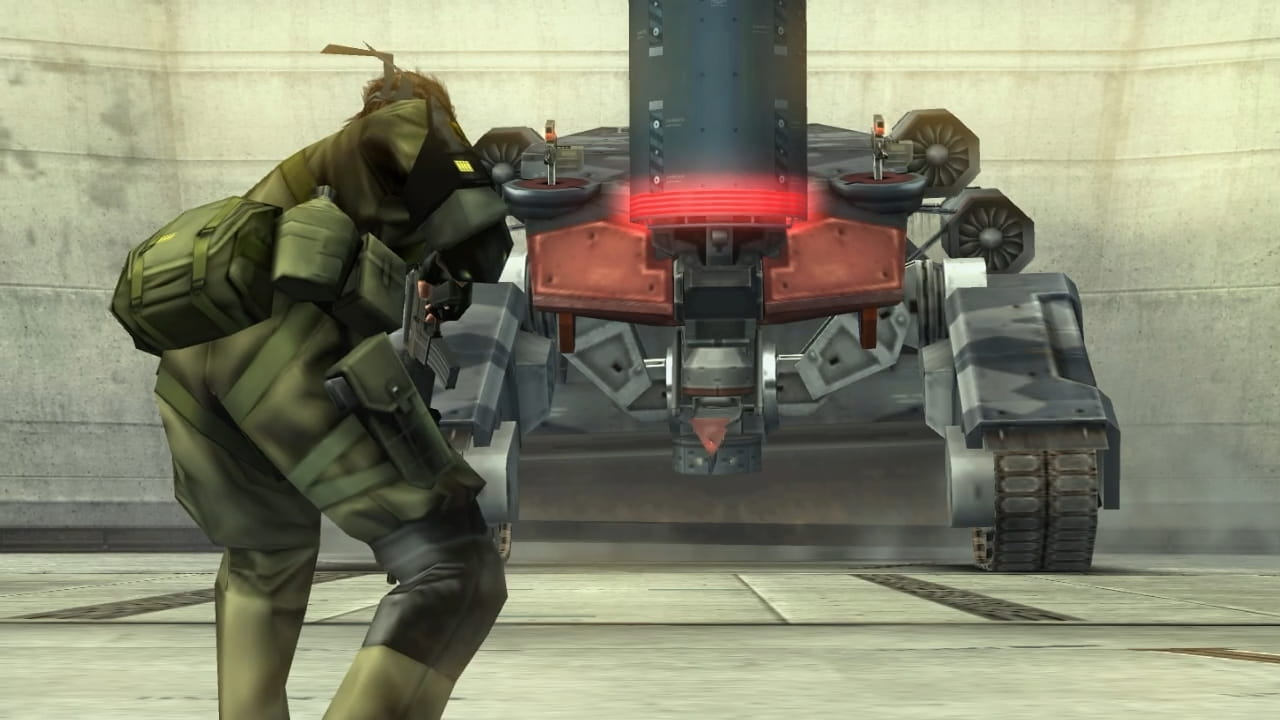
Originally ported by Bluepoint Games, this is the same version as the HD Collection release. With a stable 60 FPS and updated controls, this is by far superior to the handheld version. Packaged with this and MGS 4 is a host of extras to flesh out the collection. A Master Book featuring a detailed breakdown of each title, the screenplay and the soundtrack. However, the best inclusion is Metal Gear: Ghost Babel.
Looking Down
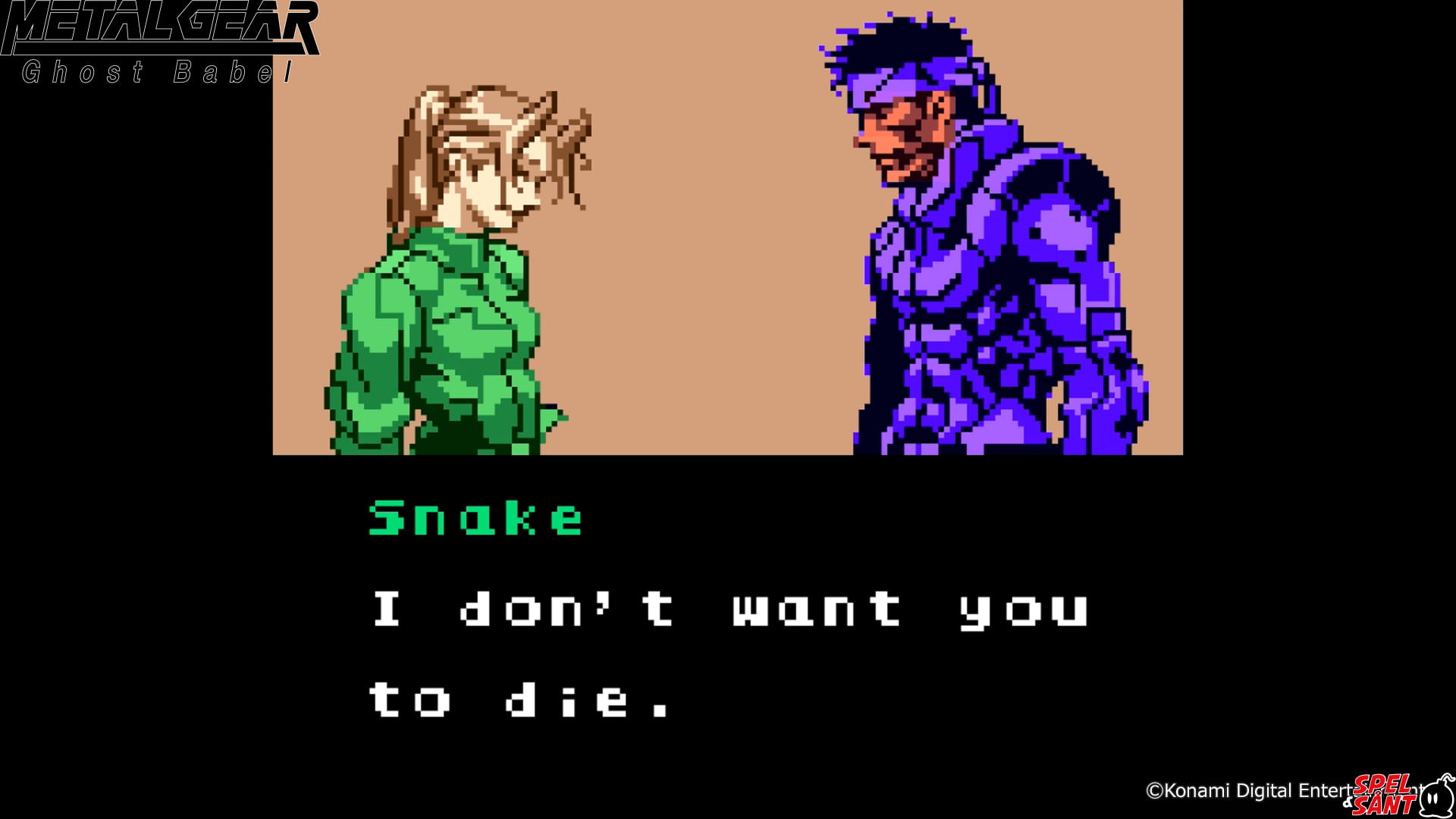
The overlooked Game Boy Color classic is a wonderful adventure, albeit a non-canonical release. Featuring the classic top-down perspective, the game combines clever stealth mechanics with a wealth of content. Throw in some crisp pixel art and a stunning soundtrack, and it rounds off a strong collection that celebrates the rich history and enduring legacy of the franchise.
Like Vol. 1, each title is a separate game. While this makes it easier to jump into the title of your choice, it does clutter the dashboard. Having some sort of hub which houses all the games from both collections would have made this feel like a more cohesive package, but as it is, it’s a little messy.
Metal Gear Solid: Master Collection Vol. 2 features some of the best games in the series. MGS 4 is without doubt a masterpiece, and this port improves on the original by adding a locked frame rate. While Peace Walker is the same as the previous port, it’s still a brilliant game that offers a co-operative spin on the formula. The GBC adventure tops off the package, highlighting the diversity of experiences that have defined the franchise. Even though each title is a separate icon, cluttering the dashboard, it’s a brilliant collection that is essential for fans of the series.
***A PS5 code was provided for this review***
The Good
- Excellent Port of Metal Gear Solid 4
- A Fantastic Selection of Games
- Master Books
The Bad
- Games Are Separate
- Metal Gear Online is Missing
- A Museum Would Be Nice