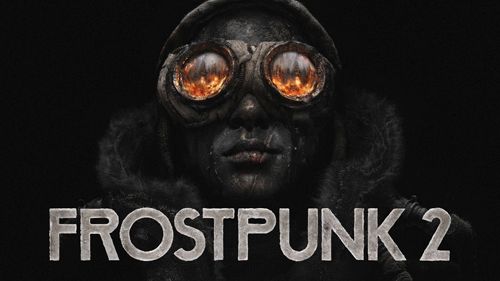
Frostpunk 2 (PS5) Review
A bitter wind, a divided city, and humanity’s last chance. Frostpunk 2 is now on console. Originally released in 2024 by developer 11 Bit Studios, Frostpunk 2 has finally migrated from PC to PlayStation 5 and Xbox Series X and Series S. Set in an alternate history where an unexpected Ice Age triggers a mass extinction event, the survivors of 19th century Britain eke out a living through steam-powered grit.
Frostpunk 2 is a true resource management simulator. Coal and iron; housing and heat; it’s enough to make even Queen Victoria’s head spin. If you’re wondering who would want to play an intricate, performance-taxing city builder on console, so do I. But it’s not really about want, is it? None of the friends I had growing up who played The Sims on console wanted to suffer. No computer in sight, holding a Wiimote cross-legged on the floor was the only way they knew.
For that, I thank the developers of the world for bringing their games to console. If only they could finally figure out how to make it feel just as good.
If It’s Good, It’s Good
But when a city-builder hits, it doesn’t matter if you’re playing it on a calculator. The hours just melt away. Suddenly, you’re going to bed at 3 a.m. and waiting for tomorrow’s day job shift to end— your real calling being, of course, saving humanity from the frostpocalypse.
The biggest difference between the two games is scale. The topic isn’t basic survival anymore, but sustaining a future. Where the first game saw players build individual buildings, Frostpunk 2 builds districts. Where Frostpunk looks to the year, its successor looks to the decade. Frostpunk deals in days; Frostpunk 2, in years.
And while weather will always be the enemy, Frostpunk 2’s factions make humanity itself a threat to its survival.
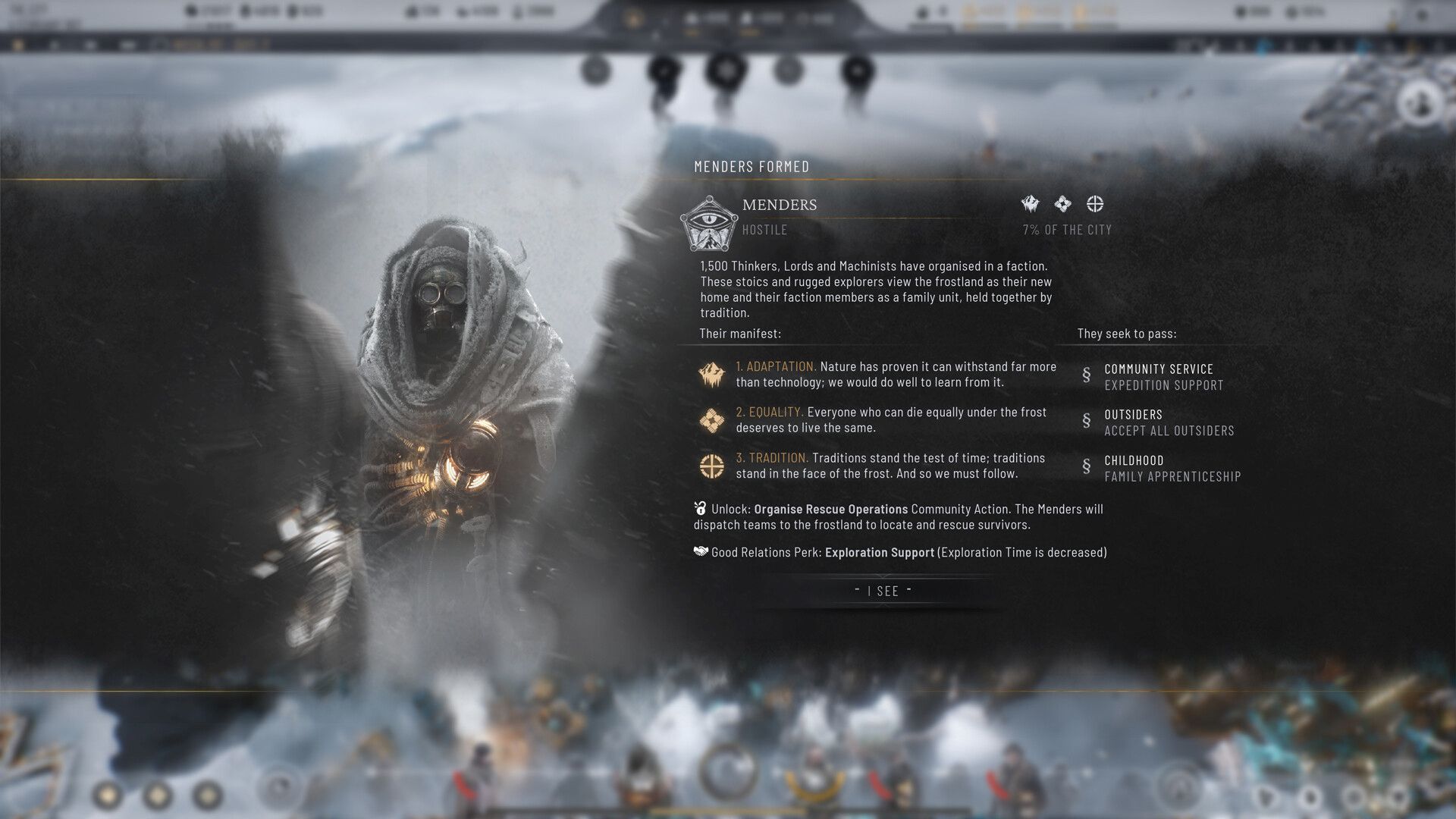
Frostpunk’s billowing smoke and oil-slick machinery prove that “pleasant” isn’t a requirement for exceptional art direction. Look in on each district and see a living, breathing place; loom from above and take in a glittering steampunk city scrabbling for more in a hostile landscape. Photorealistic vignettes of New London’s individual common folk flash across the screen, their woes wielded as examples of issues plaguing the city.
While Frostpunk 2 brings the personal touch, players stay zoomed out. We’re not dealing with a couple of hundred refugees, but the masses of a rapidly expanding population who have their own ideas about how to move forward.
No Taxation Without Representation
Frostpunk 2’s people aren’t just going to let you do what you want anymore. The game’s fleshed-out political system means balancing your moral values with your sway as the city’s steward. With a city council to convince, It’s no longer choosing the lesser of two evils to save humanity, but learning what you’ll sacrifice to keep each faction on your side. Bungle your resource management, and you’ll pay in political power.
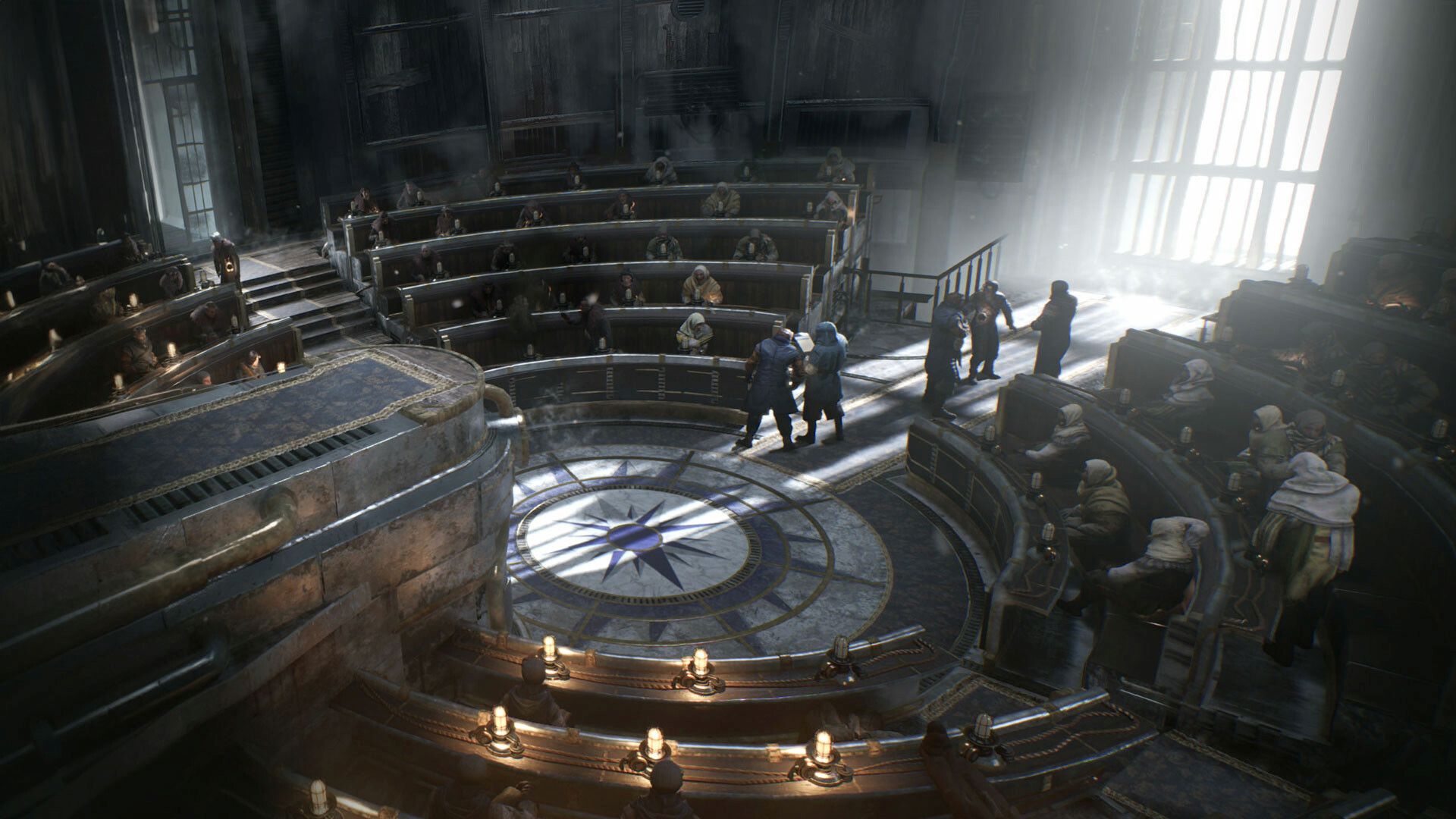
Of course, resource management is still king. On higher difficulties, keeping your citizens happy and healthy feels as impossible as always — and fantastic when you eek out another day. Befriend one of the factions, and they might just bail you out a few times.
If you’re lacking the mental spreadsheet needed for balancing all the game’s numbers — whether building an industrial district will demand so many materials that it necessitates an out-of-budget extraction factory — the easier difficulty is still a robust way to play the game.
My favorite pastimes include exploring the Frostland beyond New London’s crater. Players send scouts out into the cold wasteland, where a world brimming with text-based adventure awaits. The right move abroad can bless your city with much-needed resources — while the wrong ones naturally have serious consequences.
The Sun Never Rises
Excursions into the wild go farther than ever before. Sometimes, they even mean expansion. They’re not descendants of the British for nothing, right?
These colonies have their ups and downs. On one hand, it’s a wonderful way to recapture that first flush of building a city fresh. A late-game colony injected a much-needed breath of fresh air into dour political proceedings.
However, balancing colonies with one’s main city, New London, sucks some of the joy out of expansion. Spend too much time watering your offshoot, and the original goes haywire, sometimes to distressing results. I’m sure the British Empire can relate.
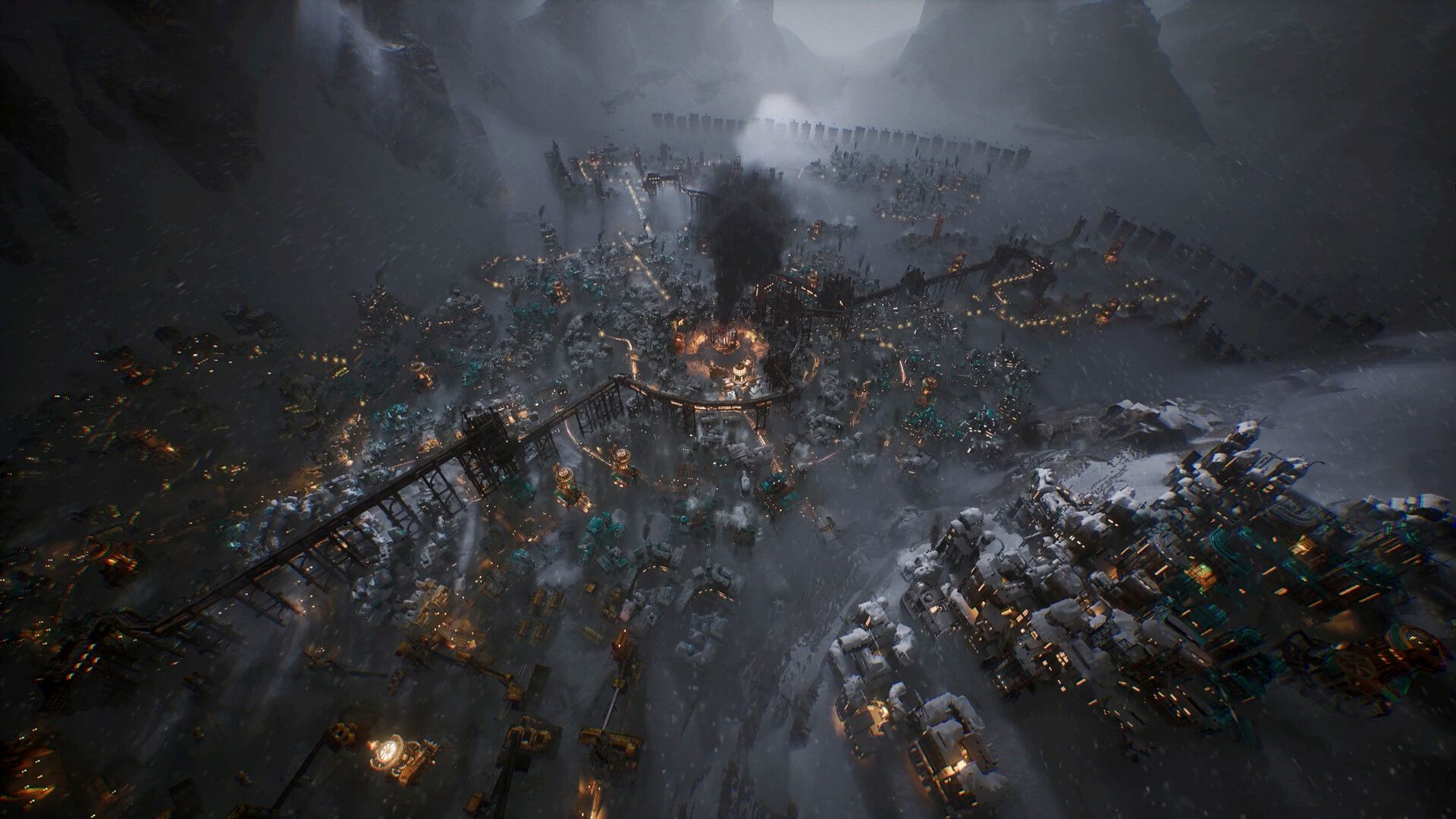
Overall, Frostpunk 2’s political tightrope stayed satisfying, although the story’s climax detracted from the overall experience. In the final act, the game’s typical vibe is frequently taken over by intense background music and an altered map appearance. Suddenly, I just wanted to get everything over with.
And boy, what a judgmental ending! I love multiple endings, and I don’t mind bittersweet, but I didn’t enjoy the narration directly asking me if I was really happy with my ending. I did my best, okay? The game’s intoxicating mechanical pull is enough to bring me back.
Sailing Into Port
Don’t play Frostpunk 2 on console, not unless you have to.
Frostpunk 2 is plagued with classic symptoms of a PC-to-console port. The text was too small. Objects on the screen were difficult to distinguish. The controls were confusing, with major UI elements were sporadically accessible to me until trial and error finally showed me the way.
Sure, I wasn’t hunched over a desktop, but I discovered heretofore unknown ways of putting cricks in my neck in order to read the tiny text littered across my screen. Occasionally, I blinked and realized I had been standing directly in front of my TV for several minutes. In a possible record-breaking first, I found myself repeatedly wishing for a PlayStation Portal.
I also lost reasonable amounts of progress to in-game crashes. I took it as a chance to fix mistakes I’d made, but didn’t save more frequently, though. Especially in the game’s later hours, the process just took too long. Every settlement was clearly always running in the background, slowing the whole thing down. Still, even this port can’t keep me away. I’m already ready to brave the frost again.
***PS5 code provided by the publisher for review***
The Good
- Gorgeous graphics
- Complex mechanics
- Expansive sequel
- Attractive gameplay
The Bad
- Small text
- Confusing control scheme
- Minor bugs and crashes
- Some menus still for PC