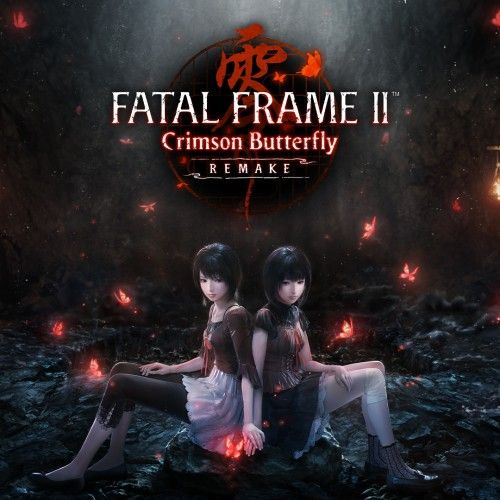
Fatal Frame II: Crimson Butterfly Remake Review
Renowned as one of the greatest horror games of its generation, Fatal Frame II: Crimson Butterfly now seeks to expand beyond its niche, regional success with a modern remake. The PS2 classic previously received a Wii remake that traded the series’ traditional static camera angles for a more intimate, over-the-shoulder perspective while introducing motion controls. Although the waggle mechanics often broke immersion, some of the changes enhanced the experience, and this is where the 2026 version draws inspiration from. Aiming to capture the spirit of the original while adapting it for modern audiences, Team NINJA revisits the haunting tale of the Amakura twins once more. With Capcom and Konami successfully reimagining their own iconic horror titles, can Koei Tecmo follow in their footsteps?
You play as Mio, a young girl exploring the woods with her twin sister, Mayu. While reminiscing about the past, Mayu becomes inexplicably drawn to the elegant flutter of a crimson butterfly, which leads the pair to a strange, abandoned village. As if under a trance, her behaviour begins to change as she slowly succumbs to the village’s lure. With spirits haunting the settlement, you must creep through its foggy paths to find your sister and escape. But the deeper you delve, the more secrets emerge about the Crimson Sacrifice Ritual, revealing the village’s twisted history.
A Haunting Tale
The narrative sticks closely to the source but expands the lore through optional side stories and new areas that add to the mystery of the village. These short individual tales add to the narrative, conveying the area’s long, dark history and further immersing you in the world. Although the story is presented as a nightmare, plunging you into darkness as you try to make sense of the events, it effectively culminates in delivering an impactful conclusion that will linger long after the credits roll.
Fatal Frame II bypasses gore to focus on atmosphere to create an impending sense of dread. The sound design builds tension, making each apprehensive step a challenge as fear quickly smothers you. This feeds into the cutscene where the cinematography heightens the threats that dwell out of sight. While those aspects of the presentation excel, the visuals are generally underwhelming. Although there’s a significant upgrade from the PS2 and Wii versions, it’s not at the level of Bloober Team’s Silent Hill 2 or any of Capcom’s Resident Evil Remakes. The heavy use of film grain hinders the visual fidelity, and the animation lacks the fluidity that its contemporaries possess.
Sticking Together
At its core, the game is about the relationship between the twin sisters, and this connection is heightened by the ability to reach out and hold the hand of Mayu. The action accentuates their bond, which is key to the story. In addition to keeping her close to you and avoiding the many dangers that lurk, doing this also heals you, making this a vital step after difficult encounters. While in theory the idea is strong, in practice, it’s not as powerful as you may hope. There’s a clumsiness to the mechanic as the characters reposition, removing the natural feel seen in titles like Ico.
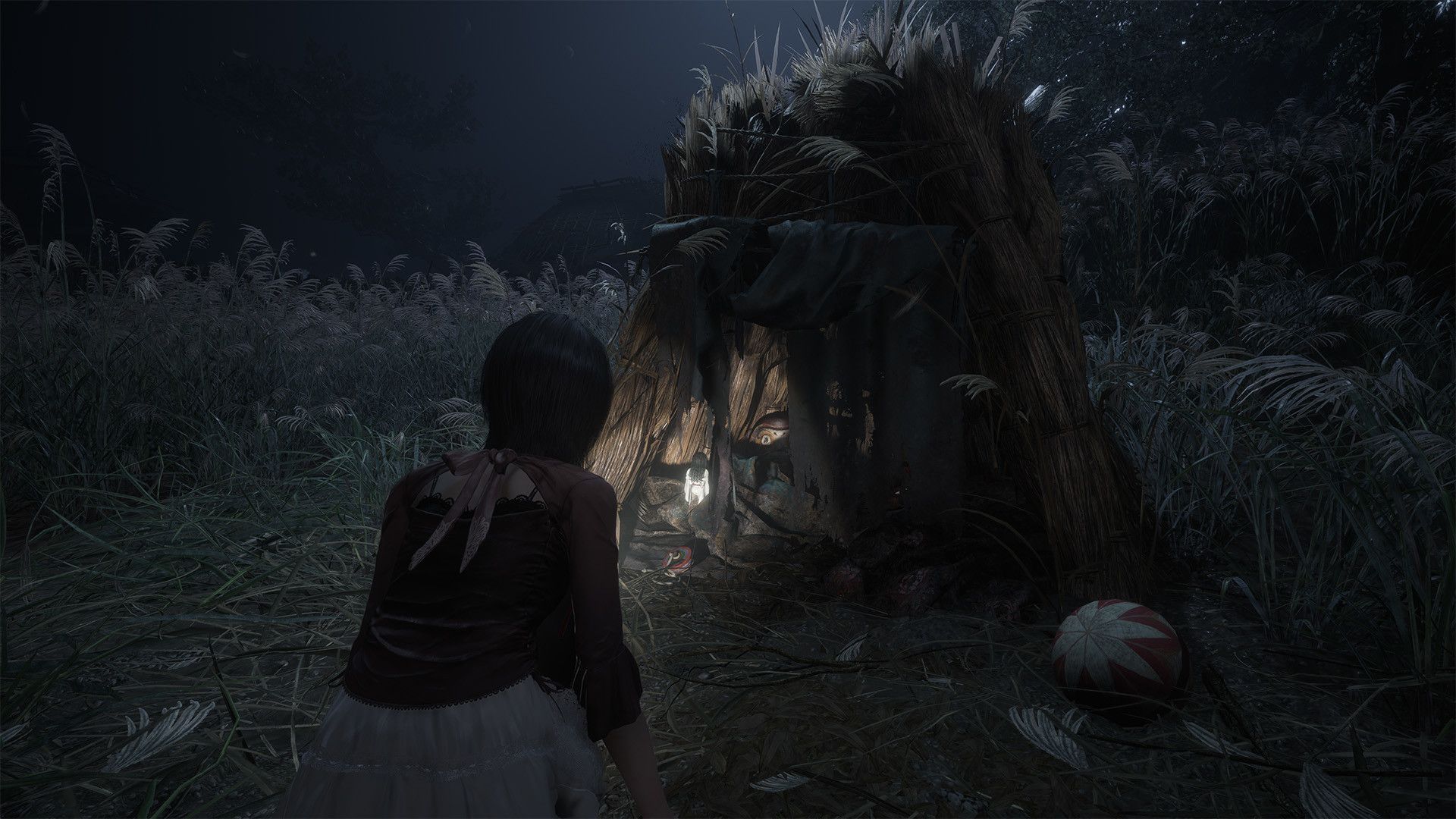
The Camera Obscura is what truly sets the game apart from its peers. Adding to the vulnerability, you only have a camera to defend yourself. With this, you must line up your shot and wait until the last second before the spirit strikes to inflict the most damage. It’s a wonderful system that manages to enhance the horror rather than resorting to action-heavy mechanics.
There are a lot of layers in play here. In addition to getting as many focal points on your enemy, you can also swap film types, which have different reload times and strengths, and also flick through a variety of filters to use different abilities. Some blind, whereas others can blast foes at short range, which will support you when facing multiple ghosts at once. The new Willpower system, similar to a stamina bar, ties into this and prevents you from spamming the ability to avoid trouble. Due to this, you have to be more calculated in your approach to vanquish those in your path.
In Times of Trouble
As the health of your enemy dwindles, you can perform a special manoeuvre that allows you to unleash a devastating attack and follow this up with several additional snaps. This can lead to your opponent becoming aggravated, which allows them to recover some health and be much more aggressive. While a little frustrating, this adds to the tension and pace of battles as you aim to eradicate the threat before they transform.
Chase sequences have been developed, requiring you to hide from the threat and wait for them to leave before progressing. Although a strong idea, these moments feel clunky due to a visual filter that makes it difficult to find hiding spots. Stealth in general isn’t well implemented. Sneaking past ghosts to avoid confrontation should be thrilling, but instead it feels overly basic, as if the systems weren’t truly designed to support stealth.
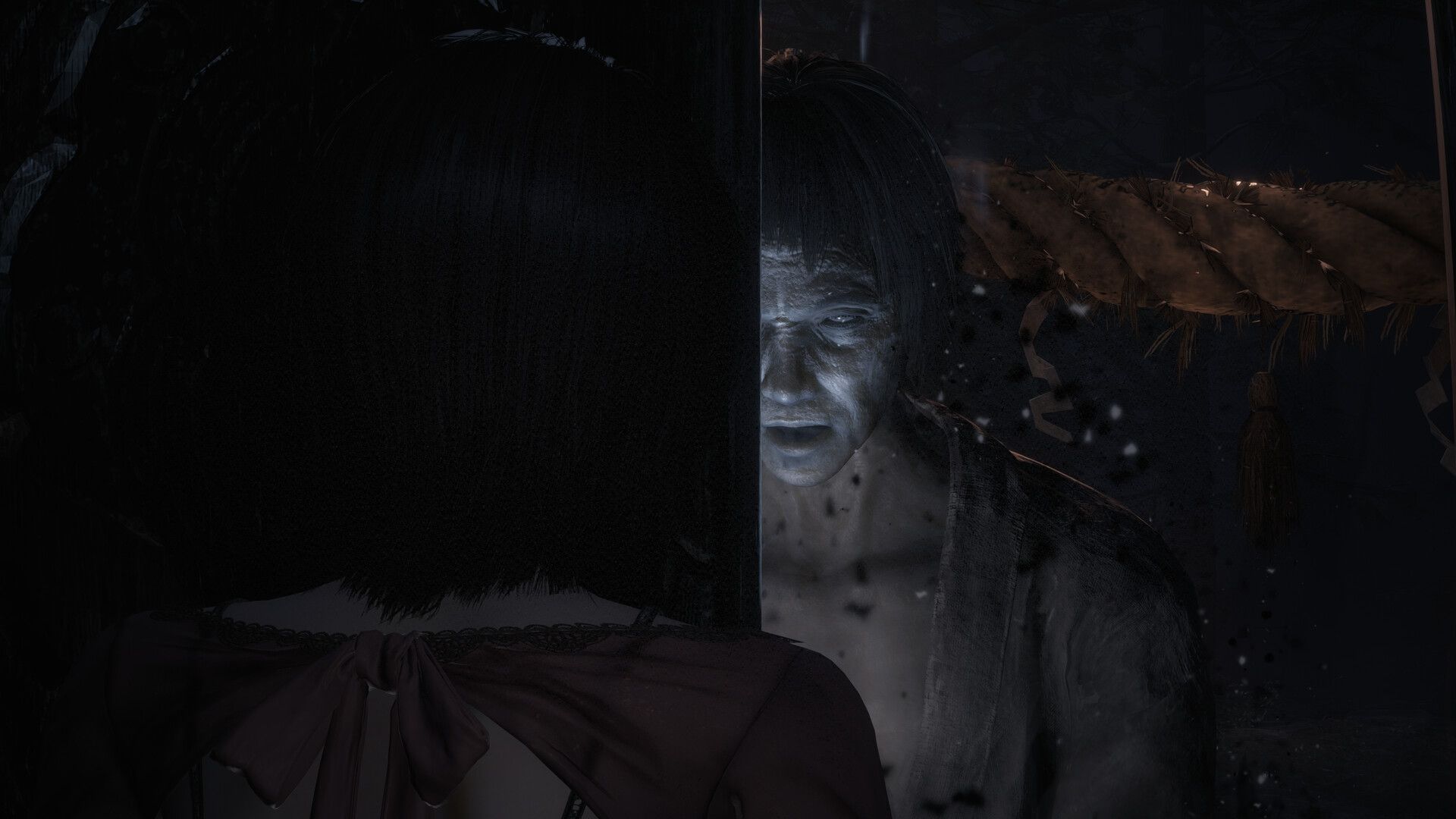
There’s a methodical pace to the game, which helps to build tension as you explore the haunted surroundings. Within areas, you’ll encounter puzzles that give you a break from nervous treading to new locales. These are not particularly difficult but do require thought and consideration in order to progress.
A Game of Two Halves
Fatal Frame II: Crimson Butterfly is a remarkable piece of interactive horror history. The nuanced storytelling and atmosphere immerse you in its strange, haunting world, while the Camera Obscura offers a unique mechanic that adds tension to every encounter. However, although the remake remains close to the source material, it doesn’t provide the significant upgrade that other modern revivals of iconic titles have delivered. Much of the original era’s DNA remains, with some clunky controls and awkward animations hindering the experience. Regardless, this is still a remake of a classic. Despite its flaws, fans and newcomers can immerse themselves in a pillar of the survival horror genre, one that continues to haunt with its eerie village and tragic story.
***PS5 code provided by the publisher for review***
The Good
- Haunting Story
- The Camera Obscura
- Suffocating Atmosphere
The Bad
- Murky Visuals
- Clunky Animations
- Feels a Little Dated