Elden Ring Nightreign Review
I have played thousands of hours of Elden Ring, Dark Souls, and other FromSoftware games. I have spent a fair amount of time in Fortnite and other battle royale games as well. Never once did I wonder what it would be like if FromSoft bioengineered Elden Ring as a roguelike battle royale. Elden Ring Nightreign is the somewhat glorious answer to my unasked question. It’s the unexpected Elden Ring spinoff we didn’t know we wanted or needed.
The Same but VERY Different
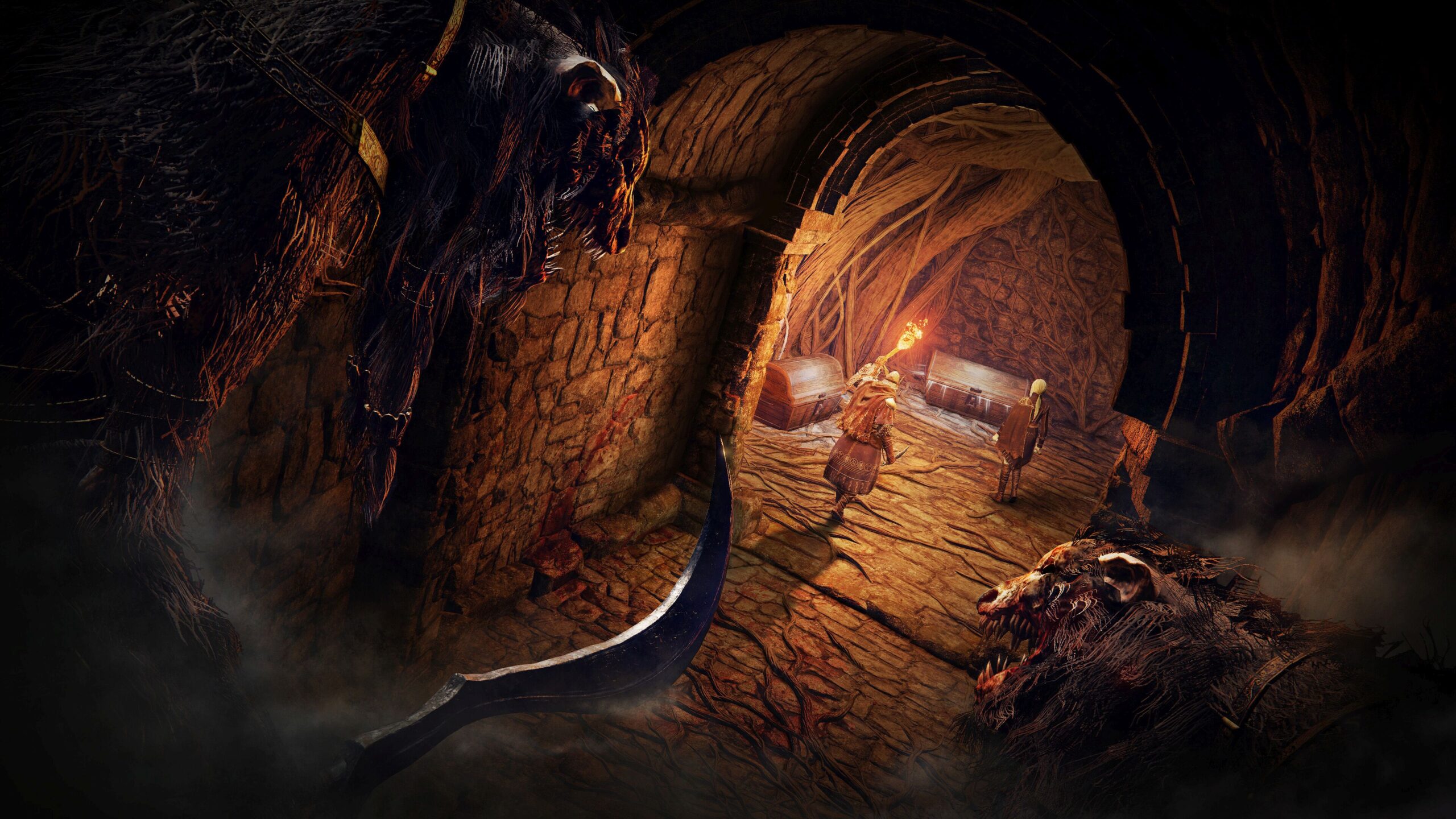
In genre-mashup terms, Elden Ring Nightreign is a synthesis of battle royale, roguelike, and cooperative action-RPG mechanics. It takes place on an Elden Ring doppelganger map called Limveld. Limveld consolidates Elden Ring’s monsters, human foes, and iconic landmarks — with a few surprising cameos from other Dark Souls games — into a relatively concentrated space. It’s like one of those dreams where everything in your house is the same, but different.
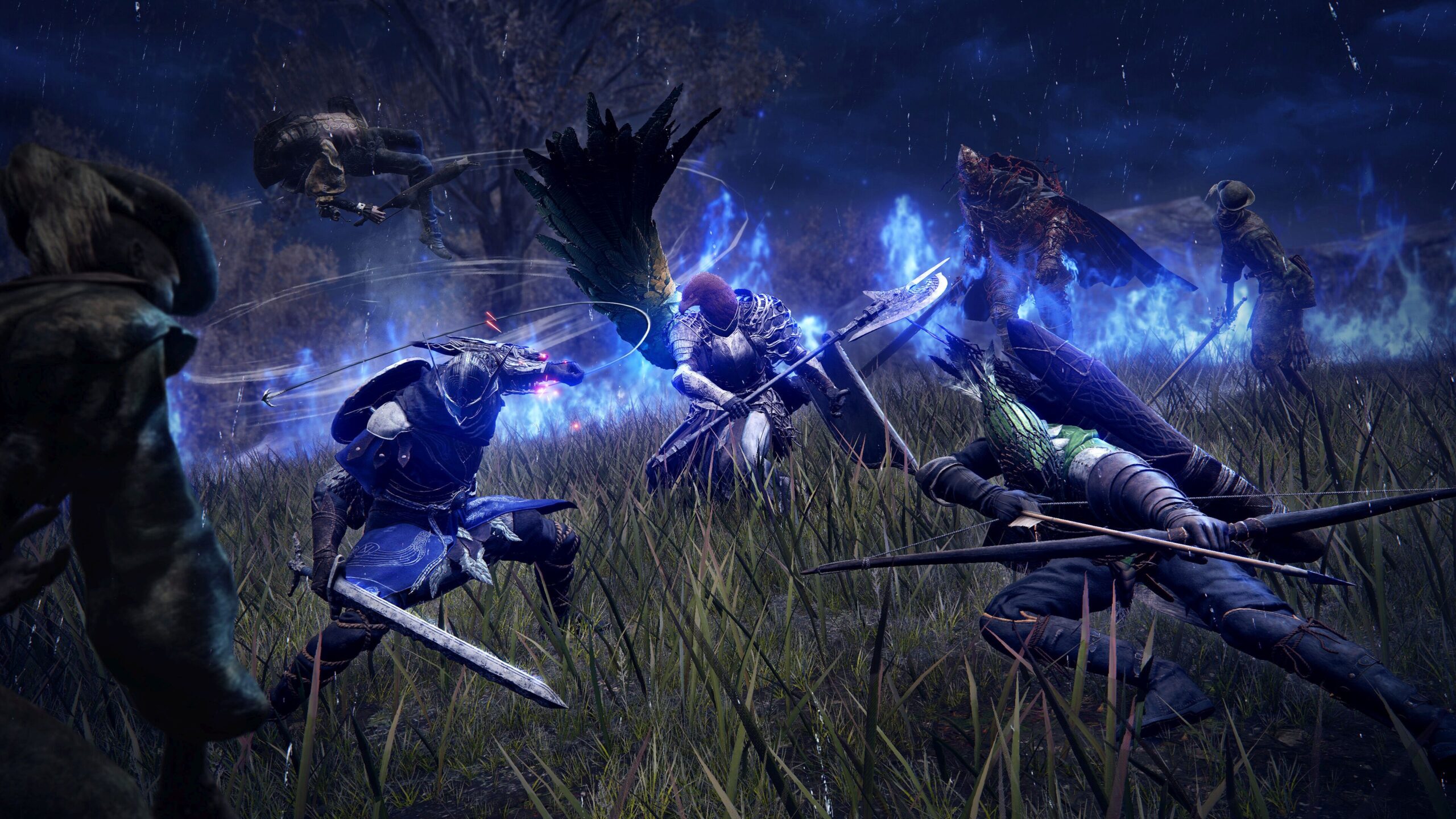
Nightreign is played in cooperative teams of three players over a period of three in-game days and nights. Players fight across the semi-procedurally generated map of Limveld looking for weapons, upgrades, consumables, and collectables. At the end of each day, the game pushes the players towards a nighttime encounter with a boss, after which the map opens again. The third night ends with an ultimate boss battle against one of the powerful Nightlords. If the team is wiped at any time, the run ends, but some permanent upgrade rewards are carried back to Nightreign’s version of Roundtable Hold. While every expedition starts with players at level one, they do carry elements of progression and additional abilities into battle.
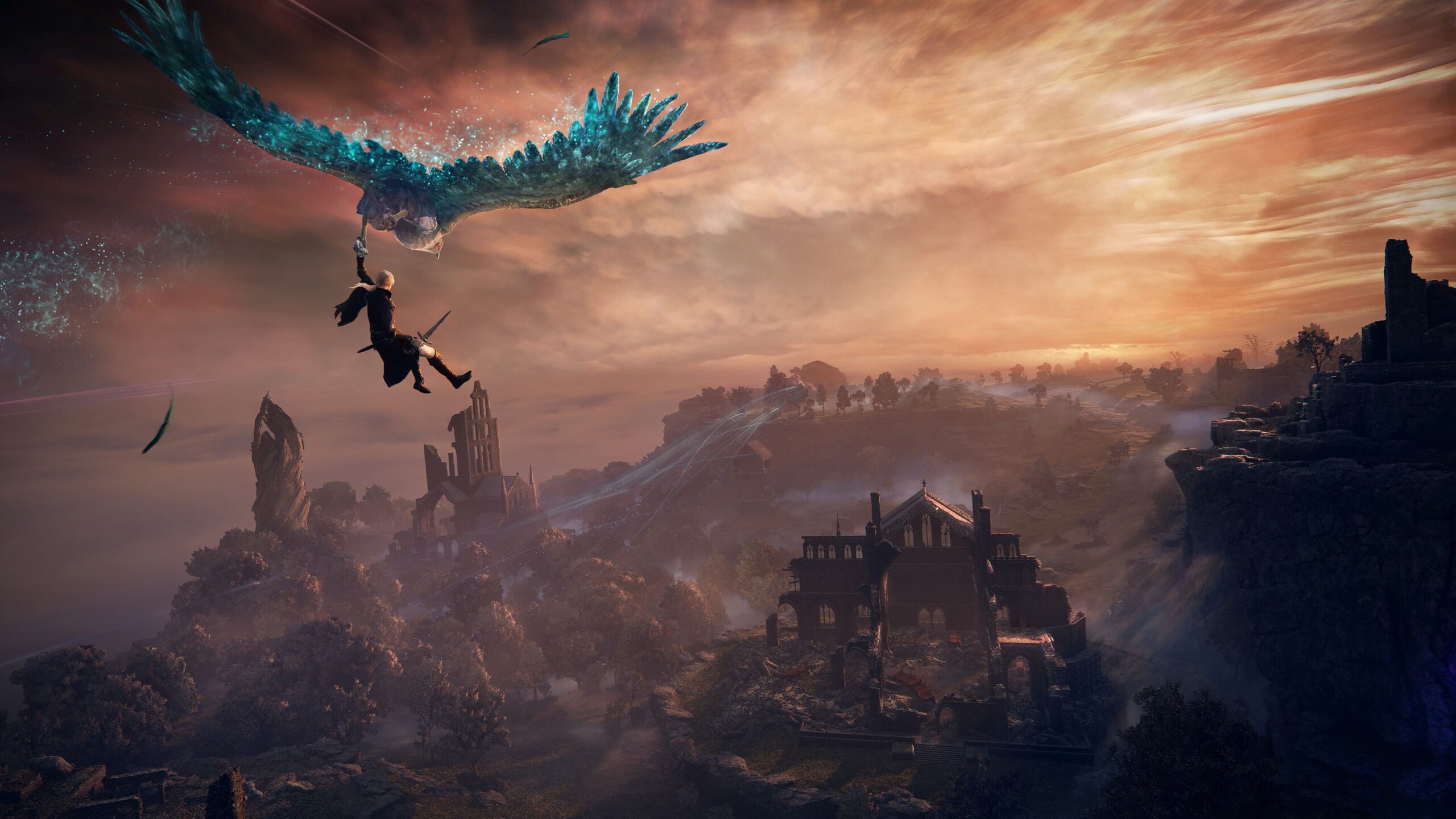
What makes each run unique is the placement of items and enemies, randomized appearance of bosses, and cataclysmic world events which change the map and open up new enemies and rewards. Still, the overall frantic pace and procedures remain consistent. The fast pace is reinforced and facilitated by zippy new moves, like wall scaling, faster sprinting and no fall damage.
A Game with Class(es)
For some players used to the methodical — perhaps even meditative — pace of Elden Ring, Nightreign’s relentless tick of time and pressure to keep moving might be off-putting. Expeditions can feel exhausting, as they aren’t short and there’s almost no time for rest. Nightreign has a simplified UI and inventory system specifically geared to making adjustments on the fly, another nod to the game’s breakneck pace.
Unlike nearly every other FromSoftware game, Nightreign requires the player to start with one of eight pre-rolled archetype characters, called Nightfarers. Opportunities for cosmetic customization are unlocked down the line. Of course, after starting, Nightfarers are not bolted to a rigid path, but their special abilities are definitely geared towards specific weapons. There are enough ways to develop each archetype that they don’t feel too limiting. No doubt players will almost certainly develop an affinity for one class or another. I was drawn to the dexterity-based Executor and the tanky Raider.
With the exception of the somewhat generic balanced-class Wylder, the various Nightfarers all have a significant learning curve. When trios of experienced players expertly use different abilities and synergies, Nightreign can be an extremely wild, immensely satisfying ride. But an inexperienced, uncooperative, or poorly prepared Nighfarer can easily become a frustrating liability that ends a run early on. The risk/reward of reviving a fallen team member in battle adds another element of tension. One of the unavoidable downsides of Nightreign’s design is when a 30-40 minute+ expedition is wiped soon after reaching the Nightlord boss. While the team of Nightfarers certainly grows stronger during the run, they face an immense challenge at the end of a very fatiguing — for the player — journey.
Lonely Lone-Wolfing
Elden Ring Nightreign is not precisely a live service game. There are no annoying microtransactions or cash shop. You can even play the game solo offline. In solo mode, enemies have reduced hit points. The solo mode is good for practicing with a specific Nightfarer, learning the map, and making some incremental character progression. It’s even possible to solo all of the game’s original — and very difficult — Nightlords. But Nightreign was built for co-op, and playing solo is not always very satisfying.
Elden Ring players often rely on spirit summons to aid them in battle. These are not a mechanic in Nightreign. Nor are duos, a configuration that FromSoftware hints might be coming post-launch. The requirement to play in trios is another small impediment to a wider audience embracing the game.
OG Elden Ring looked impressive three years ago, and it remains artistic and visually satisfying today. Because nearly everything is cribbed from the base game and its expansion, Nightreign looks equally good and instantly familiar. On the PS5 at least, it also suffers from the same minor framerate dips and texture pop-in that plagues Elden Ring in some areas. At least pre-launch, there have been issues with matchmaking and players being dropped from groups. On the whole, though, Elden Ring Nightreign has the polish and mechanical sophistication we’ve come to expect from the developer.
A Deliberate and Possibly Divisive Diversion
Until Elden Ring, FromSoftware’s games made few concessions to the masses. Players, the ARPG genre, and the industry came around to Dark Souls and their brethren on FromSoft’s terms. After Elden Ring’s relative accessibility, Nightreign returns the focus to a narrower band: gamers who both enjoy cooperative play and a hardcore challenge. Nightreign is like Elden Ring and Dark Souls played at hyper-speed, with nearly every each of the map and every moment of a run filled with action and little time for reflection. It feels like Elden Ring from a parallel universe.
I wanted to enjoy Nightreign with the same ardor that I feel for Elden Ring and Shadow of the Erdtree. Several hours in, even when the mechanics had really started to gel, I couldn’t shake the feeling that 30-40 minutes of repeated frenetic combat just to reach the Nightlord was a pretty big ask. While the re-packaged action can be exceptionally engaging with a group of friends or well-practiced strangers, by now it’s also very familiar. Aside from the bosses, many of us have already spent hundreds of hours in a version of this world and fighting these same enemies.
With a lucky roll of the map, a skilled trio, and lots of practice, Nightreign provides transcendent moments of fun and accomplishment. It’s a far more complex and nuanced battle royale/roguelike than some of its more populist contemporaries. In its release form at least, Nightreign has a few limitations, like a somewhat unrewarding solo mode, no AI party members, and no duos. Still, while it may be a game that few Souls fans thought to consider essential, Nightreign is an unexpected gift that will no doubt be a new addiction for many.
***PS5 code provided by the publisher for review***
The Good
- Can be incredibly satisfying
- Great depth and replay value
- Feels authentic to the series
- Fluid movement and combat
The Bad
- Requires trio of competent players
- High skill requirements and luck
- Frantic pace can be exhausting
- Too narrowly focused for some players
- Repetitive