Diablo IV: Lord of Hatred Expansion Review
I remember where I first saw a boxed copy of Diablo, fresh on the shelf in 1996. It was in Heathrow airport in London, and it killed me to have to wait until I returned stateside to buy a copy, because of course, back then, the EU version and US version weren’t compatible. I’ve been with the series ever since, with all its ups and downs, triumphs and missteps. Diablo is no longer my carpal tunnel-inducing. go-to hack-and-slash dungeon crawler, but I’m always excited by the opportunity to dive back in. Which brings us to Diablo IV’s second expansion, Lord of Hatred.
Endlessly Operatic
The Diablo games — and Blizzard titles more generally — are known for their operatic storytelling and Hollywood movie-quality cinematics. That remains true in Lord of Hatred, with a campaign narrative that focuses on the Wanderer (i.e. player character) on a mission to kill Prime Evil Mephisto. Mephisto, newly freed from the Soulstone and possessing the body of the prophet Akarat, is corrupting the Isles of Skavos. Your unlikely partner is Lilith, Mephisto’s daughter. Like both the base game and the Vessel of Hatred expansion, Lord of Hatred’s story is a heavy one, with a lot of spoilable twists. Patricide is a pretty dark subject, after all.
Overall, Lord of Hatred’s story is a little more interesting and emotionally varied than that of Vessel of Hatred, though a lot of side quest content is still fairly pedestrian. The game’s voice acting remains consistently good. But many other developers are creating cinematic sequences on par with Blizzard’s. There were a few in-game cut scenes where lip-syncing and overall quality almost felt behind the curve.
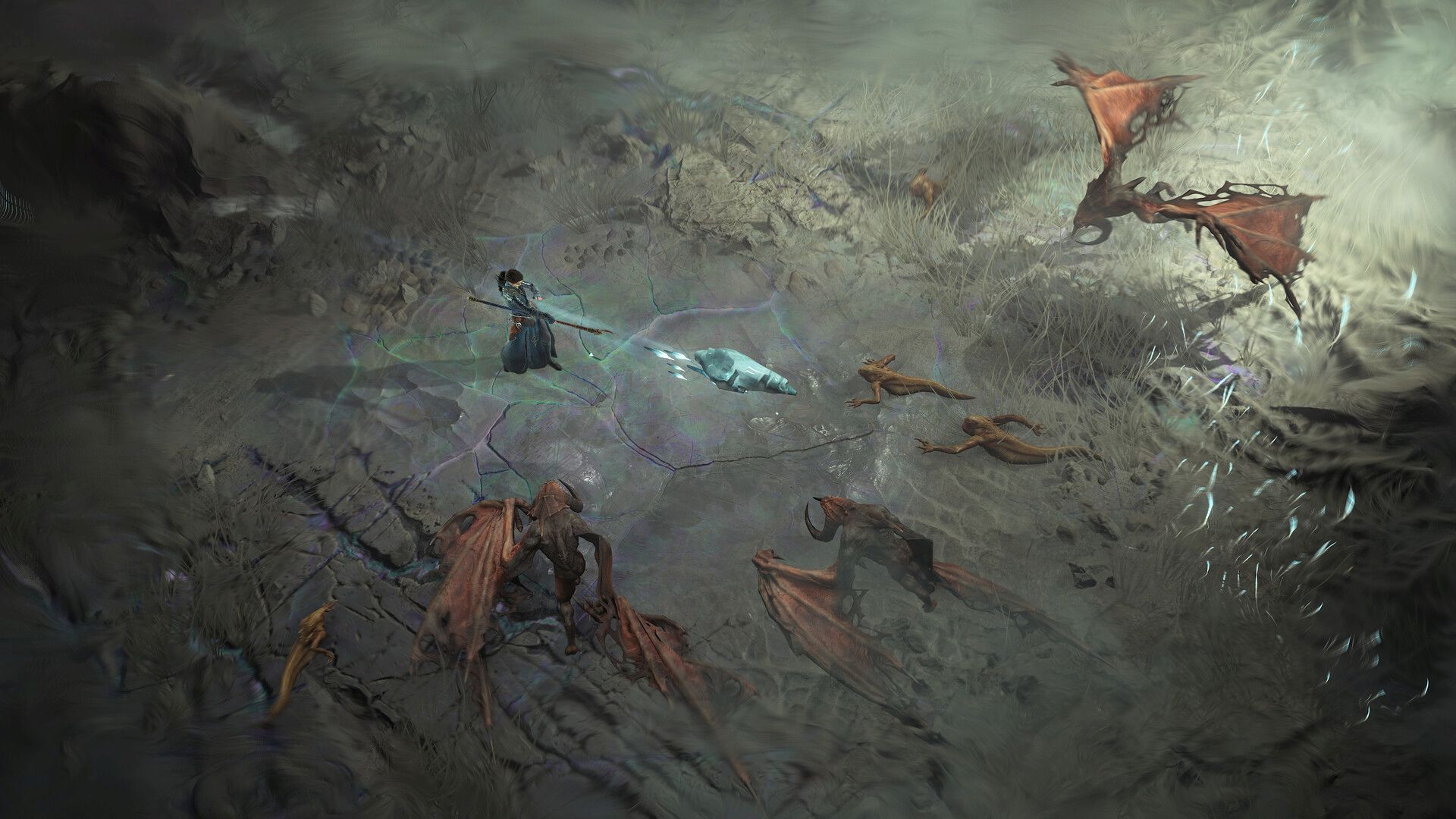
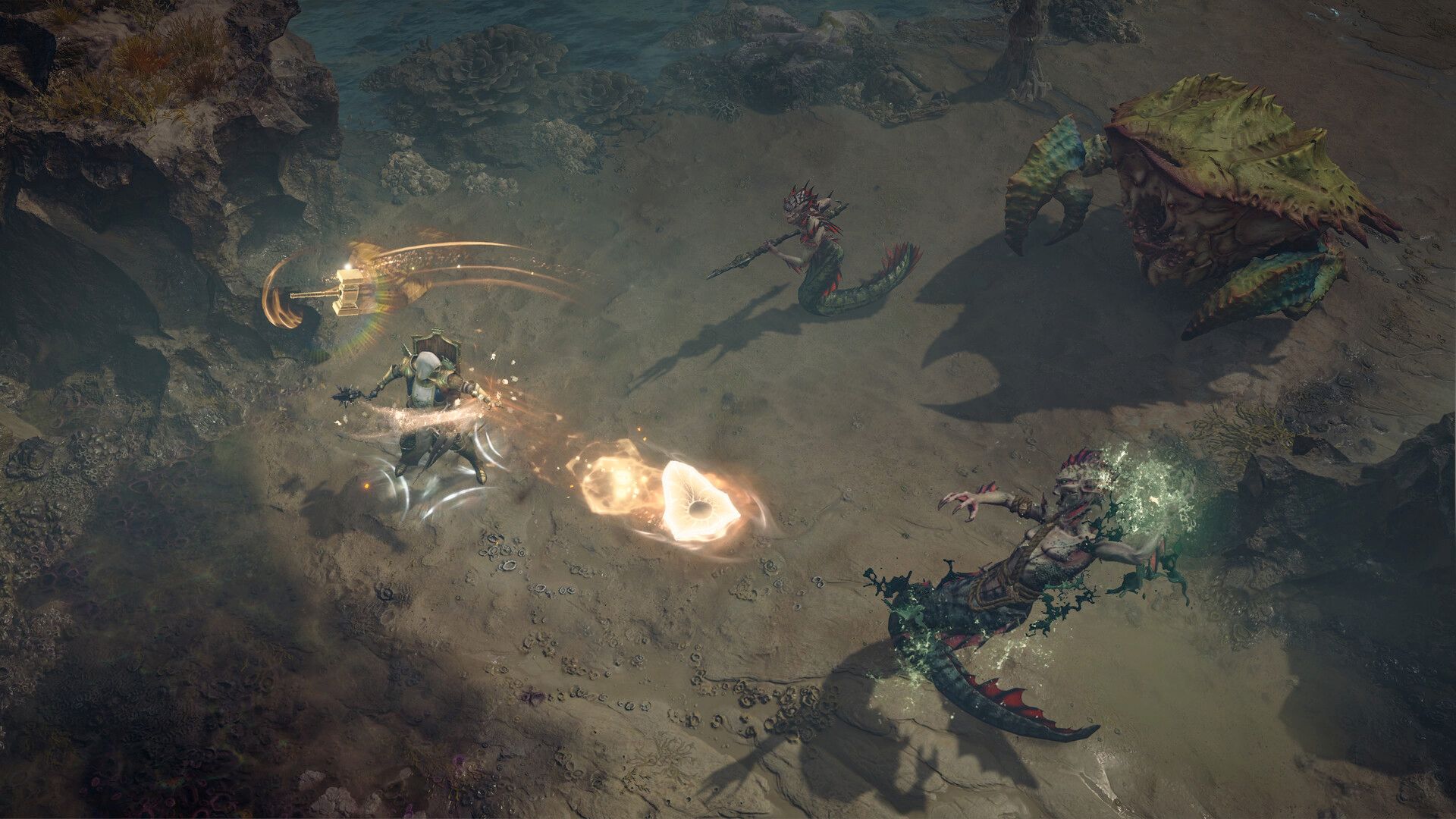
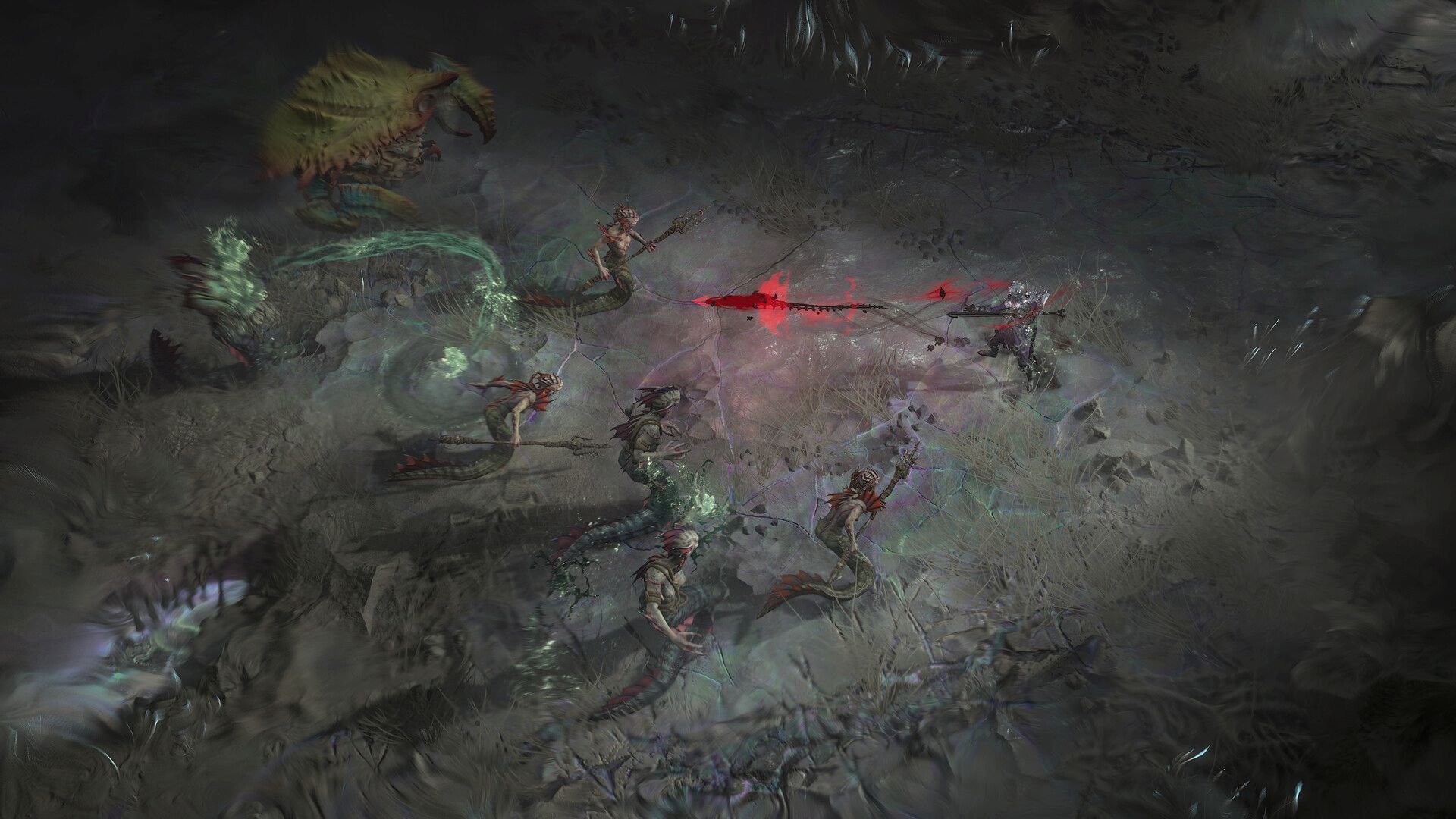
Still, Lord of Hatred’s graphics and environments are as sharp and detailed as ever. The sunny Mediterranean-like Islands of Skavos gave the game a Titan Quest vibe at times, but of course, the Isles have a number of biomes and moody underground areas. As always, the combat and spell effects — especially for the new Warlock class — are spectacular. The game’s music and ambient audio soundscapes are really impressive this time around.
Head of the Class
Diablo IV: Lord of Hatred adds two new classes: Paladin and Warlock. The former has been available for those who pre-ordered the game, while the Warlock is a new caster type. The Paladin is something unique to the series, a genuine healer character who is also a sword-and-board specialist with Light-inflused offensive attacks. Unfortunately, the Paladin also feels pretty underwhelming for a long time, with few early crowd control options and an unimpressive upgrade path at the start. I found the Paladin to be the most boring class in the game.
On the other hand, the Warlock is great fun, and might even come out of the gate more than a little OP. The Warlock uses two resources, Wrath and Dominance, to summon and control various demons and demon-related constructs like living demonic walls. The Warlock is excellent for crowd control and dispatching Diablo IV’s chaotic tangles of enemies. At level 30, the Warlock can specialize into one of four subclasses. The Warlock is also excellent in boss battles, using summoned demons to keep the boss engaged. Though my favorite overall classes remain the Spiritborn and Druid, the Warlock is a close contender.
The Other Stuff
Unsurprisingly, the Lord of Hatred expansion includes a lot of quality-of-life improvements, new mechanics and a significant new endgame system. The most interesting is called War Plans, which aims to keep players engaged after the campaign is over. In War Plans, players assemble a playlist of up to five activities from The Pit, Infernal Hordes, Helltides, Nightmare Dungeons, Lair Bosses and Kurast Undercity. Finishing one leads immediately to the next, which continuously changes up the pace, objectives and mechanics. The new Echoing Hatred mode is post-game content where the player faces infinite waves of enemies for increasingly rare rewards.
Both War Plans and Echoing Hatred require finishing the campaign, but there are lots of small additions to the overall experience. There’s a new Talisman system, a post-game Horadric Cube that can upgrade and craft powerful gear, and Fishing. It doesn’t exactly turn Diablo IV into a cozy game, but I guess it does offer a moment of pause…and a few collectables.
What will surely be a contentious change, Lord Hatred introduces a new difficulty system, increasing the Torment Tiers from four to twelve and scaling challenge across the entire game versus specific content.
Less dramatically, but arguably equally valuable, there’s now a pathfinding option for the minimap, a transparent map overlay (finally), a new level cap of 70 and a loot filter for player inventory management. These last mechanics are all part of Diablo IV’s free 2.0 update which coincides with the Lord of Hatred expansion.
Game Changer or Game Over?
Lord of Hatred is a more robust expansion than Vessel of Hatred, and its mechanical changes and new modes are noteworthy. The Warlock class is a winner even if the Paladin is a bit of a bore, and the Isles of Skavos are an occasionally sunny change of pace. Long-time players stuck swirling around the endgame will enjoy the War Plans mechanic, even if it’s not adding much new content but remixing what’s already there. As with all expansions, playing the base game’s campaign first is recommended, but it’s also possible to jump almost directly into Lord of Hatred and enjoy the new classes. For anyone invested in the continuing saga of Lilith and Mephisto, Lord of Hatred is a rewarding new chapter.
***PC code provided by the publisher for review***
The Good
- Sharp-looking combat and environments
- Combat remains as fun as always
- Warlock class is a winner
- Dark gothic, operatic narrative continues
- New modes
The Bad
- Paladin class is disappointing
- War Plans is more of a re-mix than new content
- Once amazing cinematics are feeling less special
- New difficulty system will be contentious