Code Vein 2 Review
Going into Code Vein 2, I wanted to experience the sequel with a fresh perspective; having not played the first entry, I intentionally avoided looking up too much beforehand to allow myself to be surprised. What I found is a game that feels structurally reminiscent of Elden Ring, blending familiar “Soulslike” mechanics with a distinct aesthetic and a unique time-traveling twist. While it may lack the triple-A polish of its inspirations, it carves out a compelling niche as an accessible entry point into a notoriously difficult genre.
Visuals and Technical Aspects
From a purely technical standpoint, Code Vein II does not make the strongest first impression. On PS5 Pro, the visuals look serviceable but dated, often closer to a late-generation PS4 title than a modern current-gen release. Environmental textures can feel flat, lighting lacks punch in open areas, and character models – while stylish – don’t always impress on a technical level. Performance is also inconsistent. Large open-world sections suffer from noticeable framerate drops, especially when multiple enemies are onscreen. These issues never made the game unplayable, but they are frequent enough to break immersion.
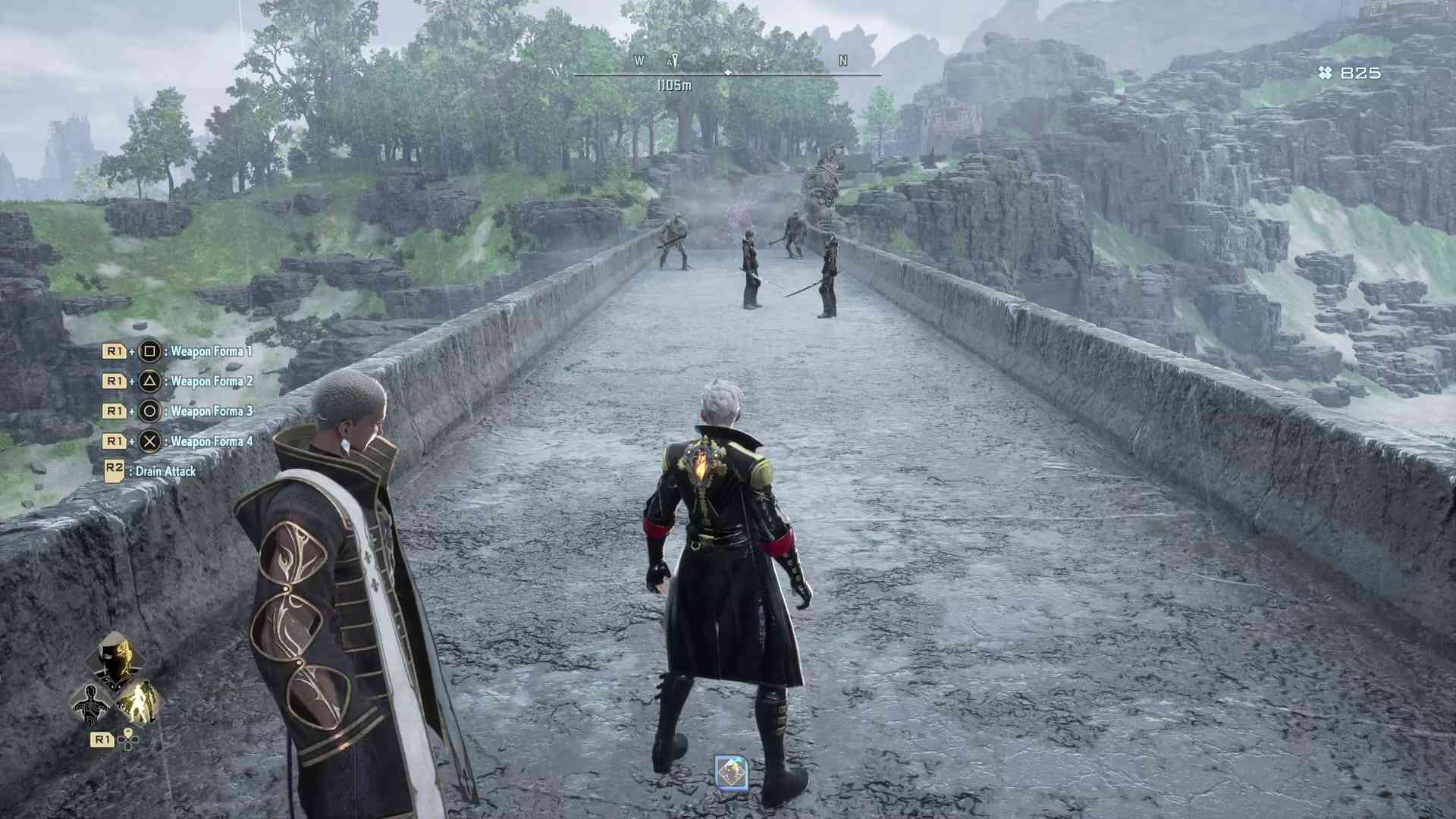
Structurally, Code Vein II feels heavily inspired by Elden Ring. You explore a large interconnected world, uncover map fragments by destroying “Map Jammers,” fast travel between save points called Mistles, and tackle a mix of main objectives, optional dungeons, and side quests scattered across the map. It’s familiar territory for Soulslike veterans, but the game distinguishes itself through its layered systems and its approach to difficulty.
One area where Code Vein II unquestionably shines is character creation. The character creator is exceptional, offering an enormous range of sliders, facial features, hairstyles, accessories, and cosmetic options. It easily rivals, and in some cases surpasses, other RPGs in the genre. If you enjoy spending an hour (or more) fine-tuning your character’s appearance, this is one of the strongest creators you’ll find.
The opening hours, however, can be overwhelming. The game bombards you with tutorial pop-ups at a relentless pace, sometimes every 30 seconds during the first half hour. While the information is useful, it disrupts the flow of play. That said, if you’ve played Soulslikes before, most mechanics are intuitive.
Combat and the “Partner” Safety Net
Combat is the core of Code Vein II, and it’s both deep and forgiving. Players can tailor their loadout extensively using weapon types, Blood Codes (stat presets), Formae (combat abilities), Jails (drain weapons), boosters, and partners. Weapon variety is impressive, ranging from fast one-handed swords and twin blades to heavy hammers, halberds, rune blades, and long-range bayonets. Each category supports different playstyles, and experimenting is strongly encouraged.
What truly sets Code Vein II apart from harsher Soulslikes is its Partner System. You are almost always accompanied by an AI partner who can fight independently or be assimilated to enhance your stats. Partners deal substantial damage, draw enemy attention, and—most importantly—can automatically revive you when you fall. If your partner is incapacitated, they will respawn after a short time, which you can even speed up by overhealing beyond your max HP. This dramatically reduces the punishment for failure, especially in boss fights. You can afford to play cautiously, let your partner carry damage output, and recover from mistakes far more easily than in games like Dark Souls or Elden Ring.
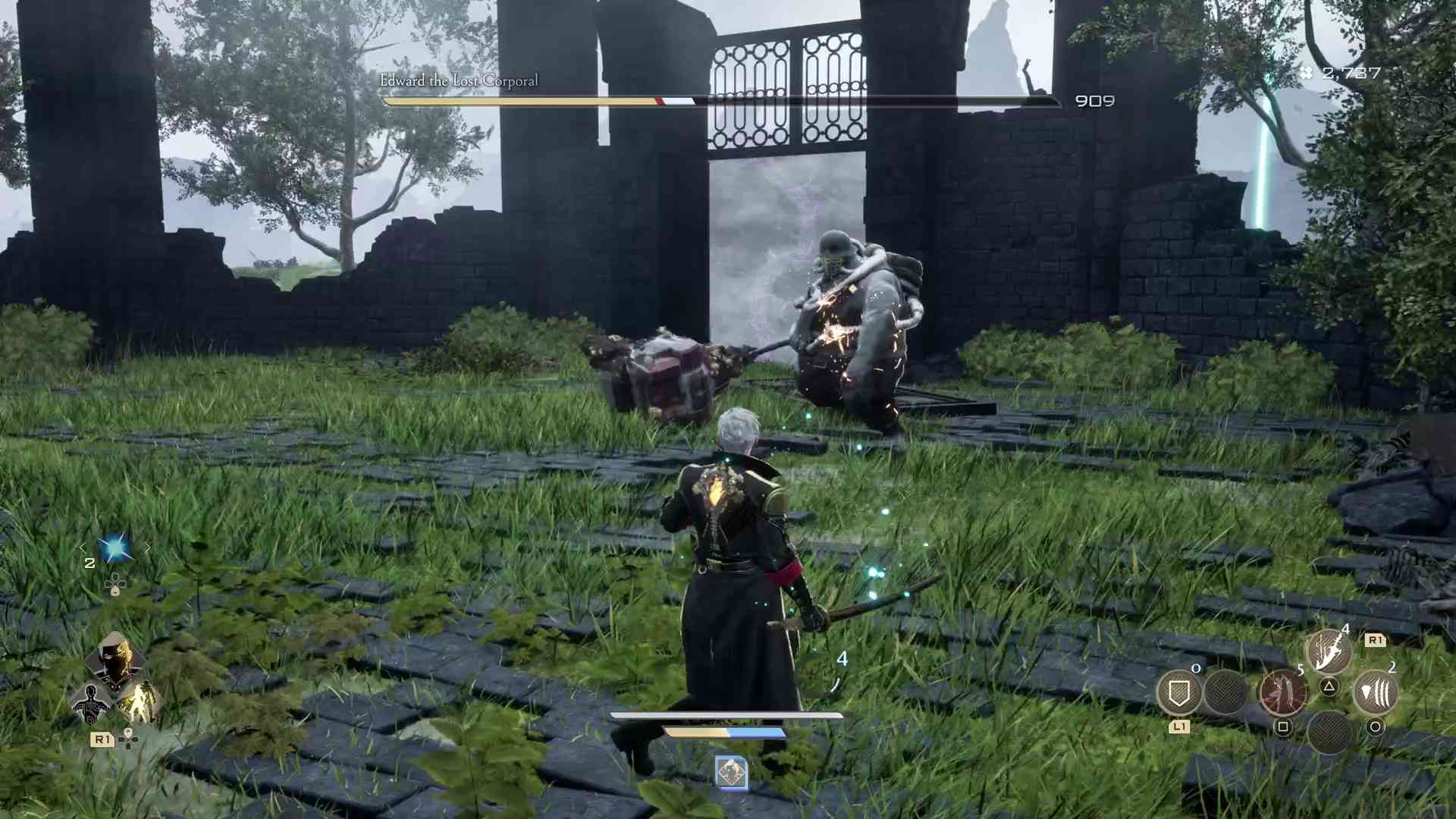
As a result, Code Vein II is significantly easier than most Soulslikes. The stamina bar is generous from the start, special attacks are powerful and frequent, and overleveling is always an option if you hit a wall. Boss fights still require pattern recognition and resource management, but they are far more manageable thanks to revives, partner support, and flexible builds. This makes Code Vein II an excellent entry point for players curious about the genre but intimidated by its usual difficulty.
Beyond combat, the game’s progression systems are dense but rewarding. You level up using Haze, the game’s universal currency and experience resource, at Mistles. Haze is also used to upgrade weapons, Formae, Jails, and regeneration, forcing you to balance character growth with gear improvements and shop purchases. Blood Codes level up through use, encouraging experimentation rather than locking you into a single build.
A World Fractured Through Time
One of Code Vein II’s more ambitious features is its time-based structure. The game spans three eras: the Past, the Present (Year 2277), and Free Exploration (Year 2187). Each era has its own quests, NPCs, and world states, and progression often requires jumping between timelines to advance objectives. This mechanic adds narrative intrigue and gameplay variety, though it can be confusing at first. The central hub, the Confluence, helps guide you, but players who don’t regularly check their quest log may find themselves momentarily lost.
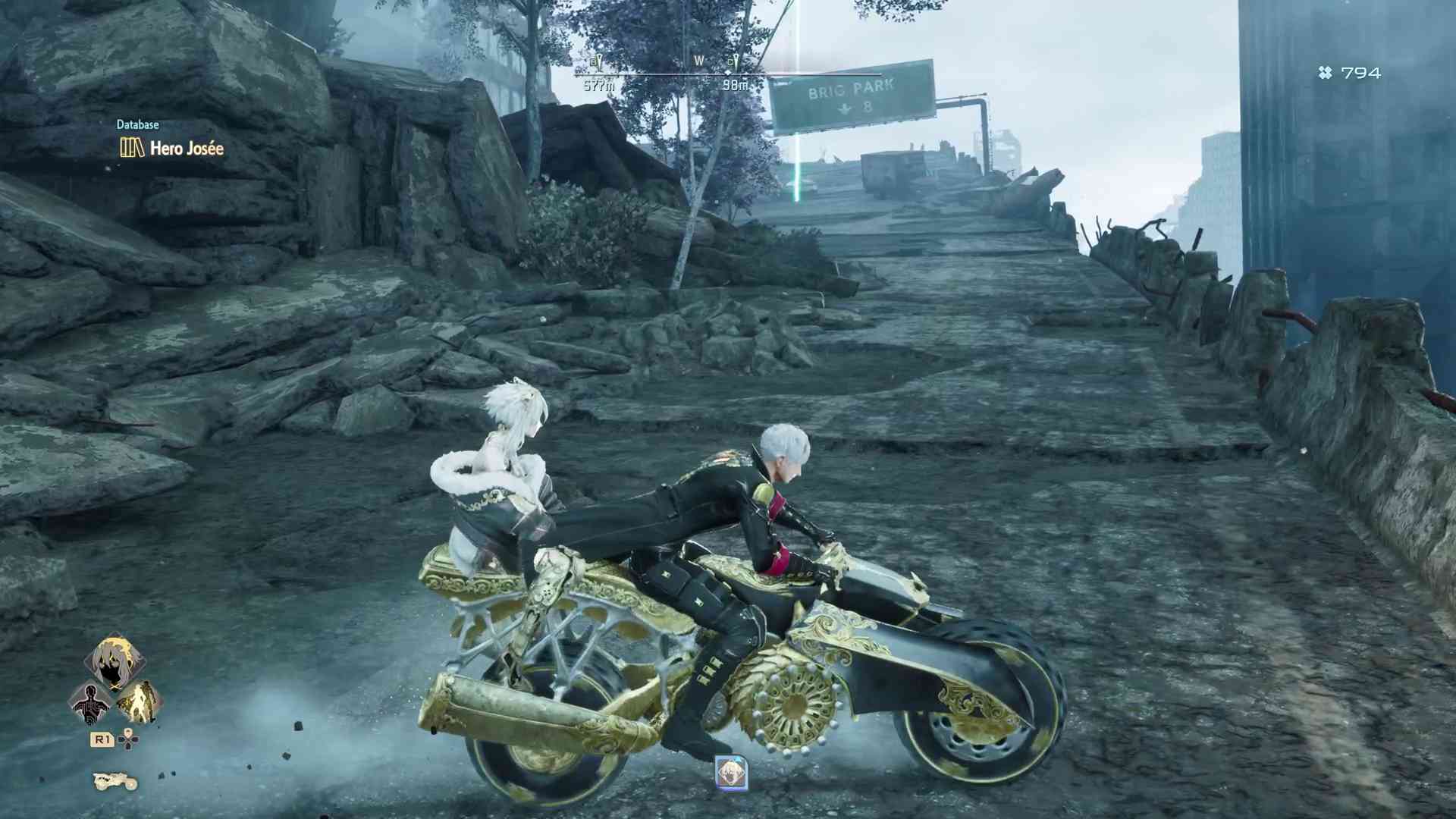
Exploration is consistently rewarding. The world is packed with optional dungeons, hidden resources, NPC encounters, and secrets. After the prologue – which takes place on a smaller island – you gain access to the main map and a motorcycle, allowing you to traverse large distances quickly. Still, exploring on foot often yields better rewards, including additional Mistles, Map Jammers, and rare upgrade materials.
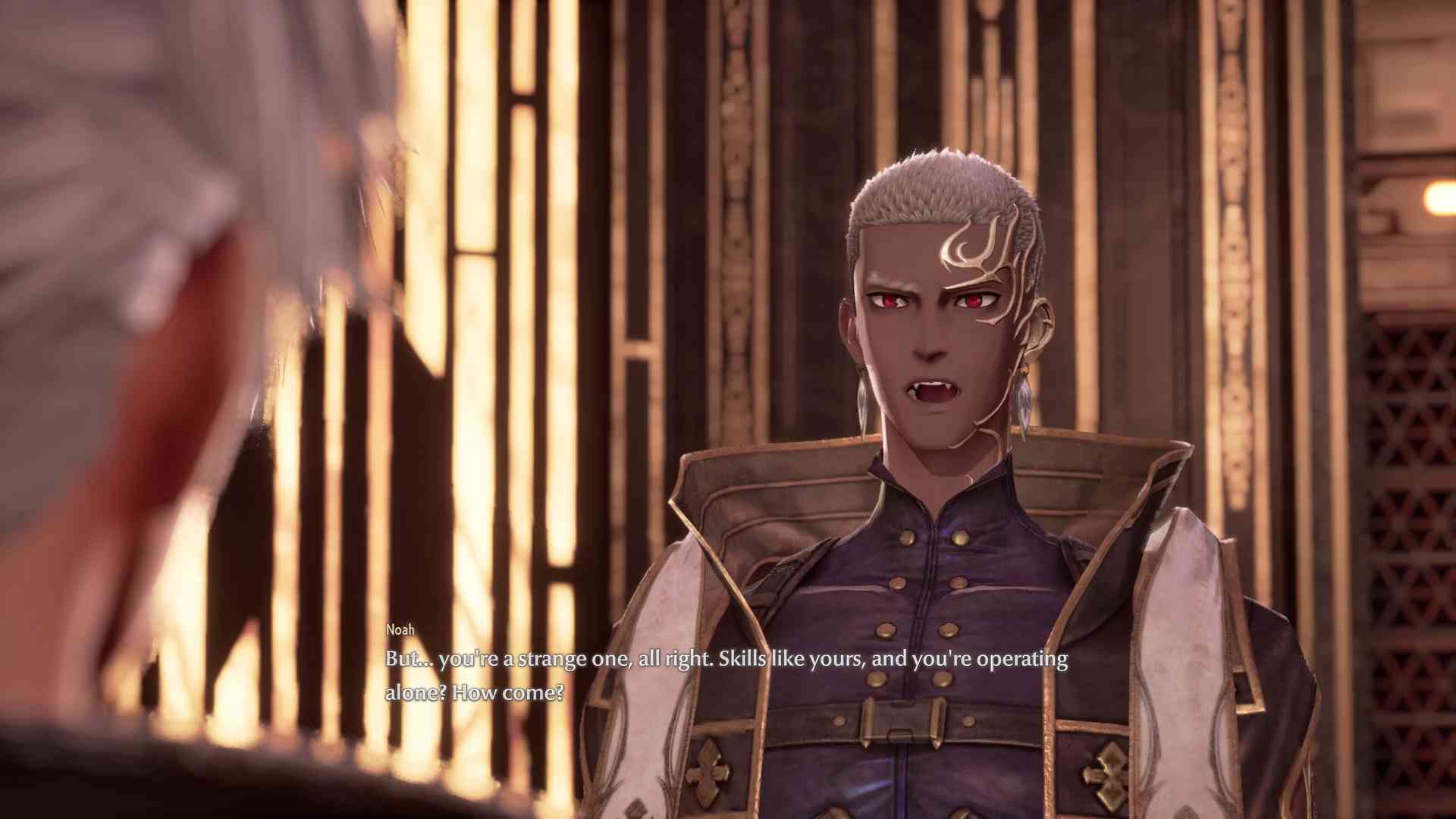
Narratively, Code Vein II presents a darker, anime-inflected take on post-apocalyptic science fantasy. The story revolves around Revenants, vampiric beings struggling to prevent the world’s collapse after a catastrophic event known as the Resurgence. Time travel, moral choices, and multiple endings add replay value. Characters like Lou MagMell and Lavinia Voda anchor the narrative, but much of the depth is delivered through optional dialogue.
Progression Depth
After roughly 60 hours for a thorough playthrough, Code Vein II left me with a clear impression: it is, in many ways, a less polished version of Elden Ring – but not a bad one. Its technical shortcomings hold it back, but its outstanding customization, accessible difficulty, and layered systems make it easy to recommend.
For genre veterans seeking brutal challenge, Code Vein II may feel too forgiving. For everyone else – especially newcomers – it’s a surprisingly deep, stylish, and approachable Soulslike that’s easy to sink weeks into.
Verdict
Code Vein II is a deep, stylish, and highly accessible entry into the “Soulslike” genre that prioritizes player empowerment over brutal punishment. While it lacks the technical polish of the titles that inspired it – most notably Elden Ring – it successfully carves out its own identity through an exceptional character creator, a unique time-traveling narrative, and a “Partner System” that provides a significant safety net for newcomers.
***PS5 code provided by the publisher***
The Good
- A big world with lots to do
- Fun Combat, not too hard and not too easy
- Similar world design to Elden Ring
The Bad
- Weak Graphics, Framerate Issues
- Tutorials feel overwhelming early on