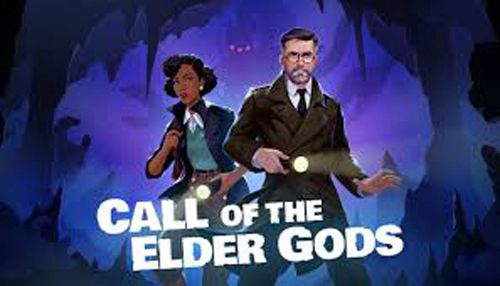
Call of the Elder Gods Preview
Adventure puzzle games are a staple genre, stretching back to the dawn of digital entertainment. Every generation iterates or reinvents what it means to tell a story and present the player with puzzles to solve in the process. Call of the Blue’s 2020 adventure Call of the Sea was an engaging puzzler with a surprising Lovecraft tie-in. The upcoming sequel is Call of the Elder Gods. Although a new story, there are multiple connections to the first game and goes even deeper into eldritch lore.
30 Years Ago
Based loosely on Lovecraft’s The Shadow Out of Time, Call of the Elder Gods is set 30 years after Call of the Sea. In the first game, Norah Everhart travels to a South Pacific island in search of her missing husband, Harry. She finds Harry but stumbles into a deep Lovecraftian horror and sanity-stealing illness that, in the end, leaves Harry alone. That brief summary leaves out most of the game’s narrative, of course.
In Call of the Elder Gods, Harry is teaching archaeology at Mistkatonic University in Arkham, bitter and haunted by the events of the past. Student Evangeline Drayton has nightmarish dreams of a mysterious object that was connected to Norah. She meets Harry, and they travel together to solve ever-deepening puzzles about Norah, the artifact, and eventually, much weightier questions about reality in the eldritch mythos.
I only played the first few hours of Call of the Elder Gods, so I’m in the dark, too. While most of the preview is set in and around Mistkatonic, the developer hints at the game’s globe-trotting premise. Even in the opening hours, the game fluidly travels between past and present.
Head-Scratchers
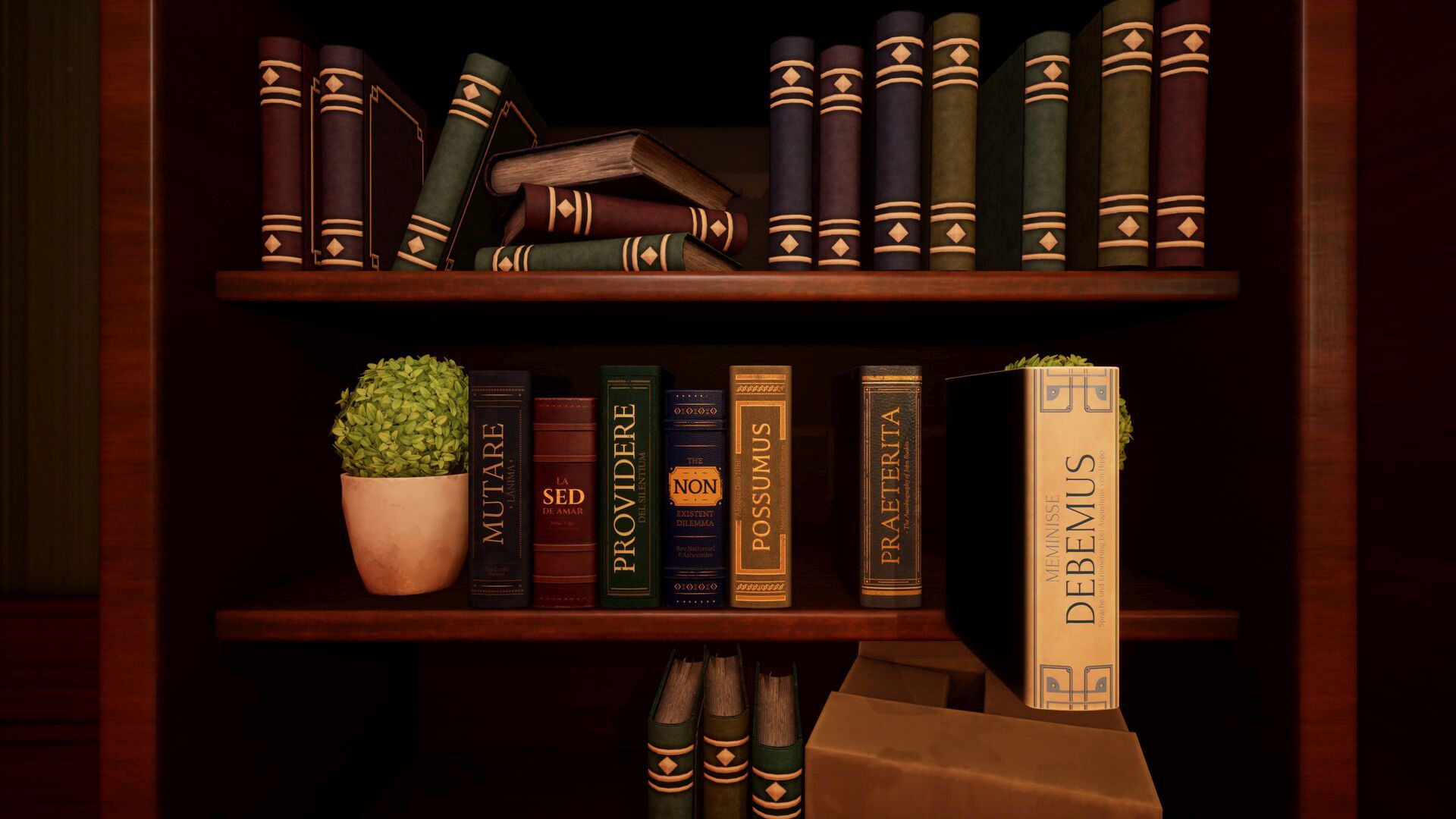
Call of the Elder Gods belongs to the tradition of games like Myst and The Talos Principle. They’re deliberately paced, and puzzles range from simple to confounding. In those games, the focus is on the narrative, richly conceived environment,s and challenges to logic and observation.
This is certainly true of Call of the Elder Gods. Puzzles tend toward being multi-part challenges that require both combing through the environment and piecing together clues and objects. Puzzle adventures have to straddle an interesting line. Puzzles need have internal logic that makes sense in a narrative context. There’s nothing more tedious than a puzzle game where the puzzles seem arbitrary or designed to simply pad out the story. Fortunately, neither of those problems exists in Call of the Elder Gods.
Rich Tapestries
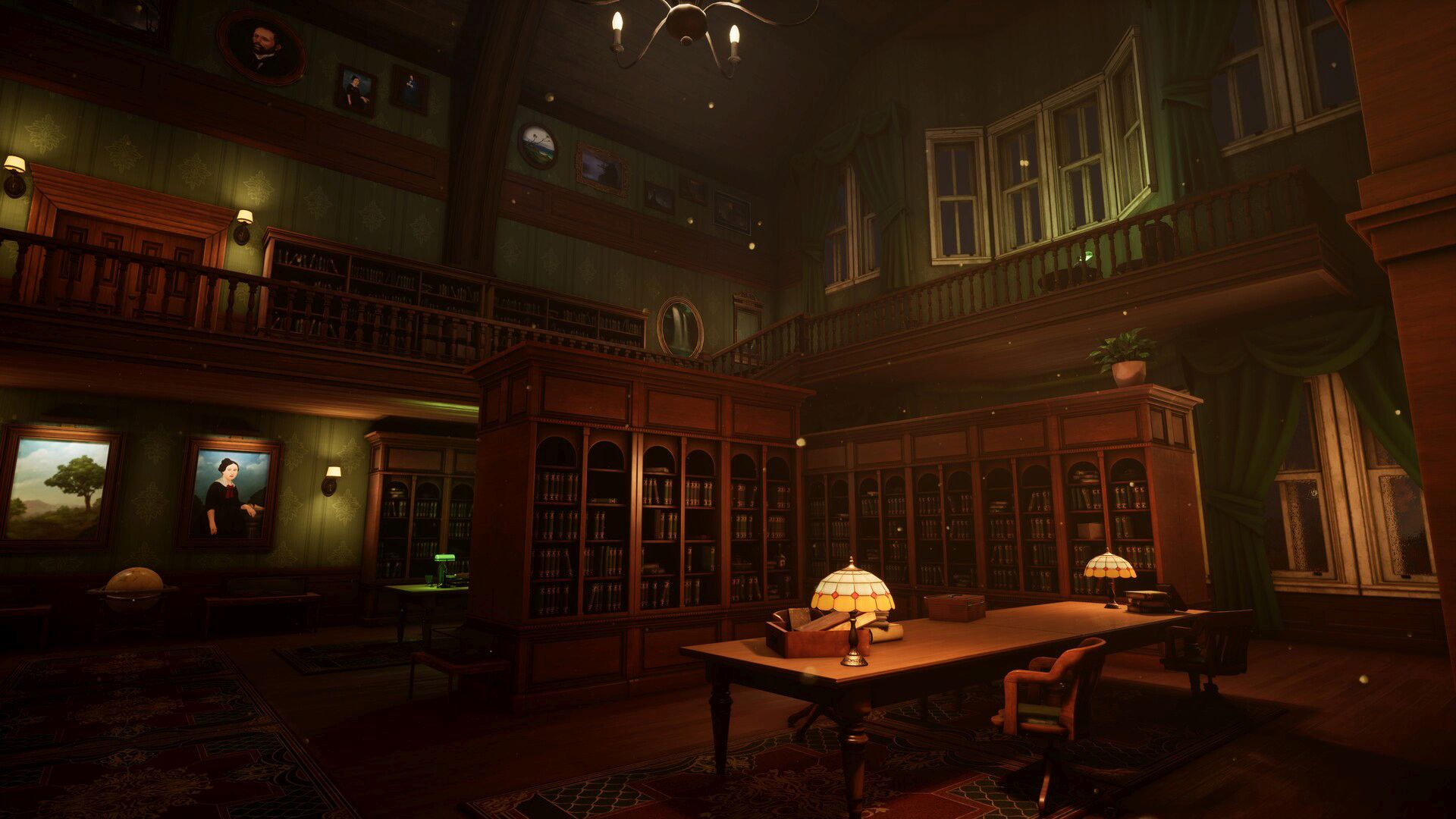
Like Call of the Sea, the new game’s art direction rests on an attractive, colorfully detailed but stylized approach. I think it’s a smart decision because sidestepping photorealism both avoids the uncanny valley and the curse of looking dated. The game’s writing and performance capture/voice acting are excellent, though the dialogue and voice-over narration lean towards being a bit expository. Of course, the beginning needs some backstory for newcomers to the series. Composer Eduardo De La Iglesia provides a varied score that moves between intimacy and tension.
Done well, puzzle adventures can be a satisfying mix of story and challenge. Both Call of the Sea and now, Call of the Elder Gods, have the secret sauce recipe figured out. Engaging characters and the oppressive Lovecraftian mix of psychological and supernatural horror come together with puzzles designed to feel fair but challenging.
***PC code provided by the publisher for preview***