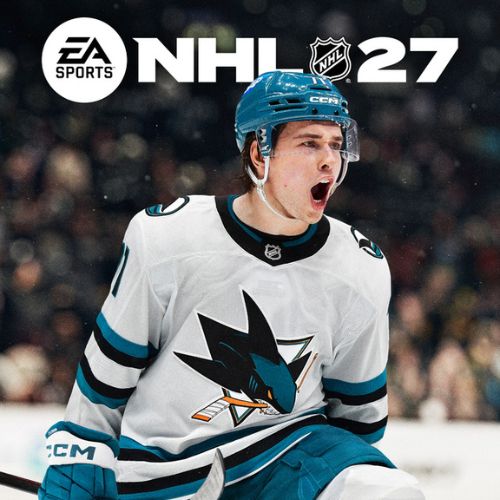
EA Sports Wants Hockey to Feel Unique Again With NHL 27
Every fall I sit down with a new NHL game and ask myself the same question. Is this the year? Is this the one that’s gonna make me feel like a kid again? NHL 27 is right around the corner, and EA Sports is building it around three central ideas: every team has an edge, embracing the atmosphere, and friends becoming foes. And for the first time in a while, I think I’m cautiously curious rather than outright skeptical.
The most immediately noticeable change is the push towards more authentic identities for teams. EA wants all 32 teams to feel distinct. Not just in roster strength, but in the actual feeling of stepping into their building. That means authentic arenas paired with a rebuilt broadcast presentation. Dynamic crowds, arena lighting that reacts to the action, and licensed music pulled from real game-day playlists all factor in. From what I’ve seen in early footage, the crowd models still look a little rough around the edges. The movement is a different story, though. Crowds feel alive and part of the experience, not just background noise.
New Booth
Presentation gets another huge kick in the pants with a new commentary duo. John Buccigross and Darren Pang are stepping into the booth this year, and thank God for that. Honestly, this might be the update I’m most excited about. Buccigross has spent decades calling hockey for ESPN. Pang brings playing experience along with broadcast polish built through years on national television. If at any point you muted NHL 26’s commentary (and I know there are a lot of you), you know how much this matters.
NHL 27’s new identity extends past cosmetics, too. Last year’s game leaned on three shared playbooks across all 32 teams. That stifled a lot of the strategic variety between franchises. NHL 27 scraps that approach in favor of a unique playbook for every team. On paper, that’s a massive structural shift. It makes facing the Oilers feel different from lining up against the Bruins, as it should. Whether the on-ice execution matches the ambition remains to be seen. The intent alone deserves credit, though.
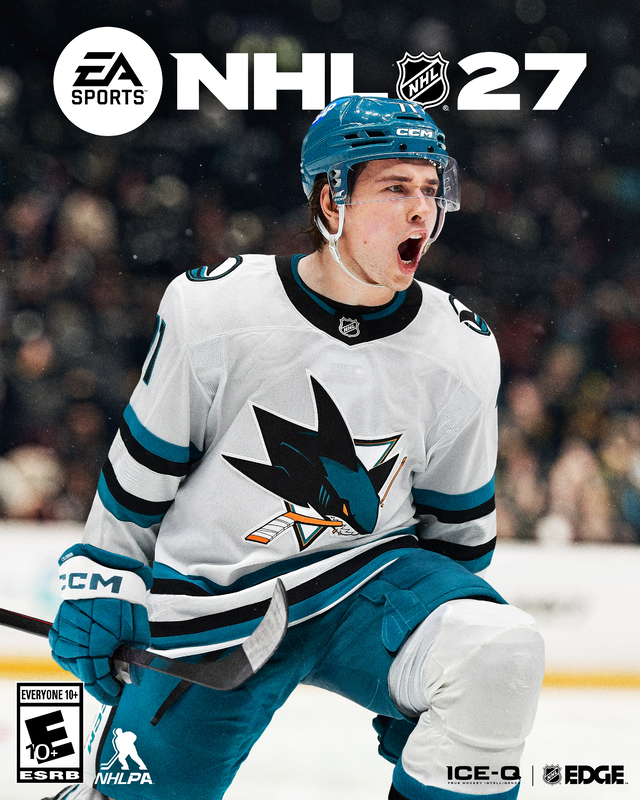
AI teammate behavior is once again being focused on, but I feel like we’ve been here, oh, 700 or 800 times at this point. Naturally, EA is promising smarter AI positioning on both offense and defense. Defenders should step up or drop back depending on the situation instead of following a fixed script. Let’s be real here: these promises rarely hold up once a few hundred hours get put into a season. Until I’ve spent proper time with NHL 27, I refuse to get excited for this.
Connected Franchise? Oh My!
With that said, there is something here that made me jump out of my seat when it was revealed: Connected Franchise is back, baby. Players and their friends draft out a full league and compete against each other the way the series used to allow. Things like scheduling, trades, and player morale are all at the forefront of the mode, and nothing in the early look suggests a reinvention of how these systems work. But what matters more is that the fundamentals are present after disappearing for way, way too long. EA got me hook, line, and sinker with this one.
Admittedly, NHL 27 does come across like it was built with the best intentions. Team identity, presentation, and community modes all appear to be shaping the on-ice experience into something that’s simply fun again. But (and it’s a big but), the gap between concepts and putting things into practice is where this series has repeatedly fallen on its face. Until I’m actually taking a shift with the new playbooks, my excitement stays in check. The same goes for watching the AI adjust in real time. The pieces sound great on paper. Whether they come together into the hockey game fans have wanted for years remains to be seen.