
The badge goes in the drawer. The Slack channels go quiet. And then what? For thousands of game developers who found themselves on the wrong side of the AAA industry’s long contraction, that question has had some unexpected answers. One of them is online casino development, and it is reshaping what casino games look and feel like in ways that most players have not fully registered yet.
The numbers behind the exodus are not subtle. Between 2022 and mid-2025, an estimated 45,000 jobs were cut from the games industry. Studios that had been running for decades shut completely. Monolith Productions gone. Arkane Austin gone. Bluepoint Games gone. In Q1 2024 alone, 8,600 positions were eliminated in a single quarter. The GDC 2026 State of the Game Industry report found that one in three American game workers had been laid off in the previous two years. That is not a downturn. That is a structural reset, and it pushed serious creative talent into corners of the industry they might never have considered during the boom years.
Why iGaming Became a Landing Zone
The casino game development industry and releases had been running on a relatively small pool of specialist talent for a long time. The work is technical, the regulatory requirements are strict, and the creative bar has historically been lower than what AAA studios were producing. When experienced character artists, narrative designers, audio engineers, and UX leads suddenly became available at market rates, iGaming studios moved quickly to hire them.
The appeal runs both ways. AAA development in 2024 and 2025 had become a bruising environment: five-year development cycles, persistent crunch, layoffs arriving with little notice, and an increasing sense that creative decisions were being made by market research rather than designers. Online casino development offered something genuinely different. Shorter cycles, three to five months from concept to certified release on a well-run slot project. Smaller teams with more individual ownership. A player feedback loop that is near-instant because casino games go live with real players and real money immediately. No waiting three years to find out if anyone liked what you made.
What AAA Talent Actually Changed

The influence shows up in specific places. Slot games from the last two years have started incorporating narrative layer design that would not have been out of place in a mid-tier action game five years ago. Bonus round cinematics with genuine production value. Sound design that builds tension through layered audio cues rather than just repeating a jingle. UI systems that adapt dynamically to session length and player behaviour. These are not things that emerged from the traditional iGaming talent pool. They came from people who spent years building systems for games that demanded them, and then brought those skills somewhere the tools were smaller but the creative freedom was greater.
The mathematics side of casino development is its own specialism that AAA developers generally had to learn from scratch, and that learning curve kept some from making the transition. But for visual artists, audio designers, UX leads, and narrative designers, the skills transferred more cleanly. The result is an observable quality shift in the top tier of online casino content. Not every studio has made this investment. The ones that have are producing games that look and behave like they were made by people who understood what engagement actually meant before they ever touched an RNG pay table.
What This Means If You Play
For anyone using an online casino right now, the practical implication is that the gap between the best-produced games and the rest has widened considerably. A well-designed modern slot from a studio that has invested in AAA-calibre talent has more in common visually and aurally with a premium mobile game than it does with the fruit machines of ten years ago. The live dealer side has also changed, with broadcast production values improving significantly as studios hired from television and streaming rather than just casino operations.
BoyleSports runs a range of online casino games that includes content from studios operating at the higher end of this production spectrum. The variety reflects where the industry has actually moved rather than where it was five years ago. Whether you are there for the slots, the live tables, or something in between, the games you are playing now were built by people who came from a considerably wider professional background than the ones that came before them.
The Trade-Off Nobody Talks About
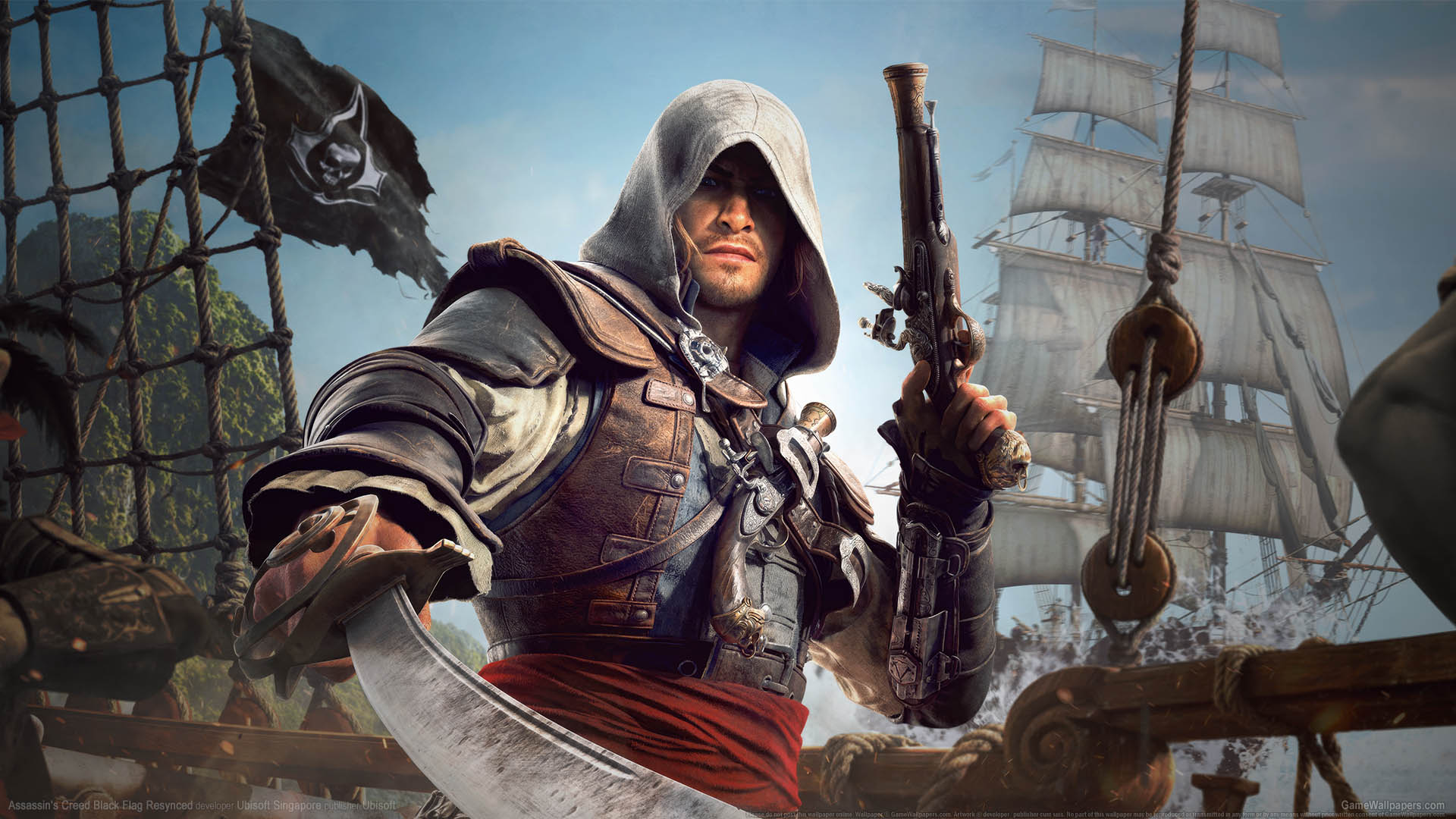
There is a version of this story that is simply good news for players: more talented developers, better games, higher production values. That version is accurate as far as it goes. The version that sits alongside it is less comfortable. The talent migration into iGaming happened because thousands of skilled developers lost stable jobs at studios they had given years to. The games are better partly because the industry that made those people chewed through them and then shed them. Where the talent landed says something interesting about which corners of the entertainment industry were actually paying attention.
The badge in the drawer eventually gets replaced by a new one. For a meaningful number of the people who spent the boom years building the biggest games in the world, that new badge says something about shuffling cards and spinning reels. The games are better for it.