
The video game industry continues to evolve at a rapid pace, driven by blockbuster releases, evolving monetisation models, and increasingly influential critical and community-driven feedback. Major launches now function less like isolated product drops and more like long-term entertainment platforms that are shaped by ongoing updates, seasonal content, and player engagement systems.
In this environment, the success of a game is no longer determined solely by its release-day performance. Instead, it is shaped by sustained engagement, post-launch updates, and how well developers respond to both critical reviews and player feedback over time.
Launch Windows Are Becoming Cultural Events
Modern major game releases often resemble global entertainment events rather than simple product launches. Marketing cycles begin years in advance, with trailers, gameplay reveals, beta tests, and developer diaries all contributing to anticipation.
Key drivers of modern hype cycles include:
-
cinematic reveal trailers
-
early-access beta programs
-
community testing feedback loops
-
pre-launch influencer coverage
-
live showcase events
This extended pre-release phase allows studios to build sustained attention, but it also raises expectations significantly.
Critical Reviews Still Shape Early Momentum
Despite the rise of influencer content and community discussion, traditional critical reviews remain an important factor in shaping early sales and long-term perception.
Review aggregates often influence:
-
launch-week sales performance
-
platform featuring decisions
-
long-term player acquisition
-
investor and publisher confidence
-
community sentiment during launch windows
A strong critical reception can significantly extend a game’s lifecycle, while a poor reception can lead to rapid decline in active player numbers—even for highly anticipated titles.
Influencer-Driven Content Has Become Essential
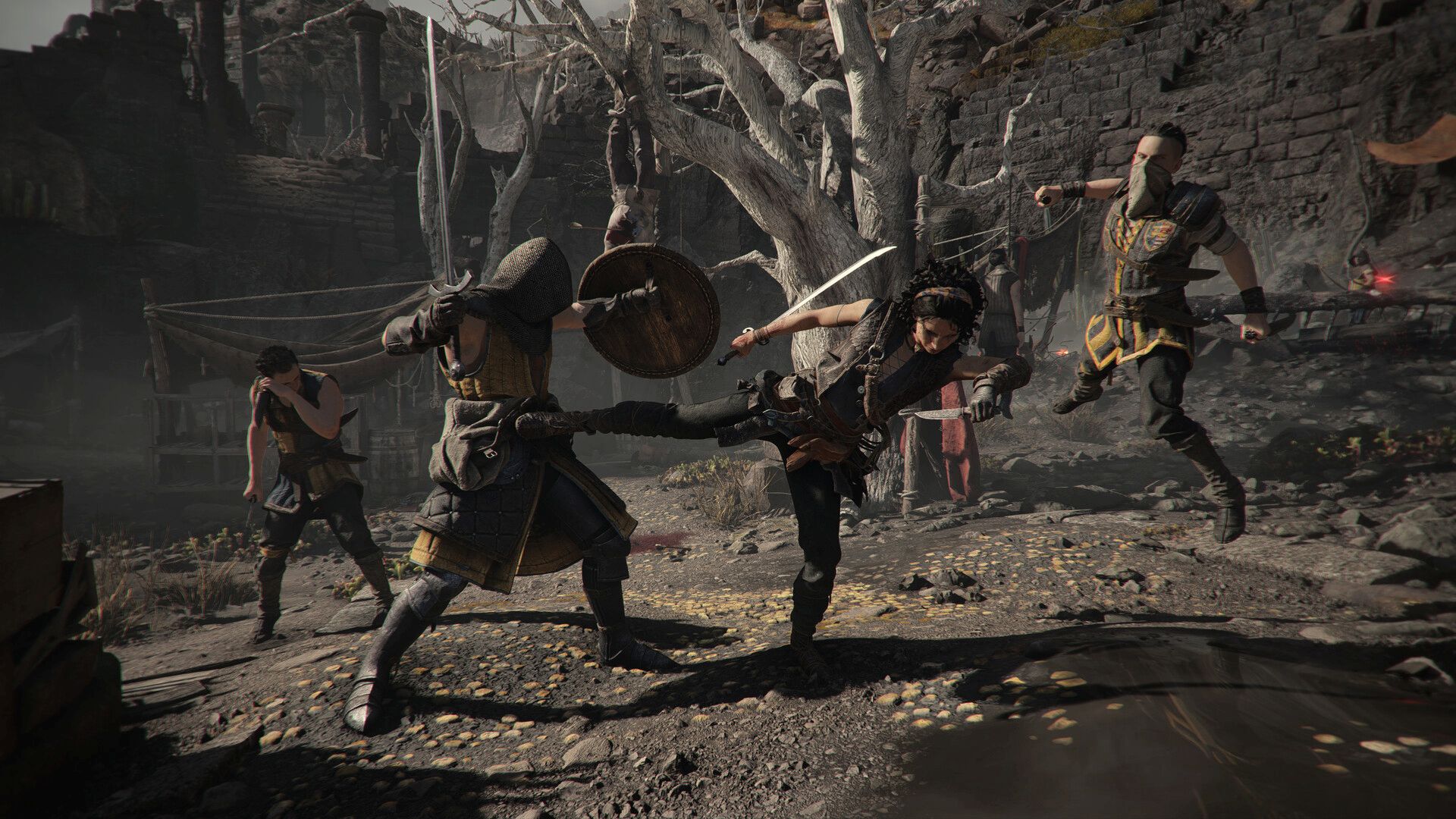
One of the most powerful forces in modern gaming marketing is influencer-driven preview content. Content creators on platforms like YouTube, Twitch, and TikTok now play a central role in shaping how games are perceived before and after release.
Influencers typically provide:
-
early gameplay impressions
-
live-streamed previews
-
mechanic breakdowns
-
performance comparisons
-
community reaction amplification
This type of content often reaches audiences faster than traditional reviews and can significantly influence purchasing decisions.
Live-Service Models Dominate Modern Game Design
A major shift in the industry is the widespread adoption of live-service structures, where games are designed to evolve over time rather than remain static.
These systems commonly include:
-
seasonal content updates
-
limited-time events
-
ongoing narrative expansions
-
cosmetic reward systems
-
community challenges
A key component of this model is battle passes and progression systems, which encourage long-term engagement by offering structured reward tracks tied to gameplay participation.
These systems have become standard across many genres, from shooters to sports games to open-world titles.
Player Retention Is Now a Core Metric

Game developers increasingly prioritize long-term engagement over one-time purchases. This has led to a stronger focus on player retention metrics such as:
-
daily active users
-
average session length
-
retention after 7, 30, and 90 days
-
engagement with seasonal content
-
monetisation conversion rates
These metrics help studios refine updates and adjust gameplay systems to maintain active communities.
Monetisation Models Continue to Evolve
The financial structure of the gaming industry has changed dramatically. While traditional full-price purchases still exist, many major titles now rely on hybrid monetisation models.
Common approaches include:
-
free-to-play access with optional purchases
-
cosmetic-based microtransactions
-
seasonal content passes
-
expansion pack releases
-
subscription-based libraries
These systems allow developers to generate ongoing revenue while continuously supporting game development.
Community Feedback Drives Development Roadmaps
Player communities now play a direct role in shaping game evolution. Developers actively monitor forums, social media, and in-game feedback tools to guide updates.
Common areas influenced by feedback include:
-
balance adjustments
-
bug fixes and performance improvements
-
new content priorities
-
quality-of-life features
-
matchmaking systems
This feedback loop has created a more dynamic relationship between developers and players than ever before.
Cross-Media Engagement Expands Gaming Culture
Gaming no longer exists in isolation. It now intersects with streaming, esports, social media, and even broader entertainment ecosystems.
In some cases, gaming communities overlap with other digital engagement spaces where audiences also follow major global events, entertainment trends, or predictive discussions such as the one around World Cup betting, reflecting how modern digital audiences move fluidly between different forms of interactive media.
Technology Is Enhancing Game Development
Advancements in hardware and software tools continue to push the boundaries of what games can achieve.
Key innovations include:
-
real-time ray tracing graphics
-
AI-driven NPC behavior
-
procedural content generation
-
cloud-based gaming infrastructure
-
advanced physics simulation
These technologies allow developers to create more immersive and scalable experiences.
Esports Integration Strengthens Longevity
Many modern games are designed with competitive play in mind, even if they are not traditional esports titles.
Competitive features include:
-
ranked matchmaking systems
-
seasonal competitive ladders
-
tournament support tools
-
spectator modes
-
replay analysis systems
This competitive layer helps extend a game’s lifespan by encouraging skill-based engagement.
The Future of Game Development
Looking ahead, the video game industry is expected to become even more interconnected, service-oriented, and community-driven. Developers are likely to continue blending entertainment, competition, and social interaction into unified platforms.
Future trends may include:
-
deeper AI integration in gameplay systems
-
more immersive cross-platform ecosystems
-
expanded user-generated content tools
-
real-time adaptive storytelling
-
fully cloud-native gaming experiences
These innovations will continue reshaping how games are developed, distributed, and experienced.
A Constantly Evolving Entertainment Medium
Major game releases are no longer isolated moments—they are the starting point of long-term ecosystems shaped by players, creators, and critics alike. From battle passes and progression systems to influencer-driven preview content, every element now contributes to a game’s evolving identity.
As the industry continues to mature, success will increasingly depend on how well developers balance innovation, community engagement, and sustainable content delivery in an ever-changing digital landscape.