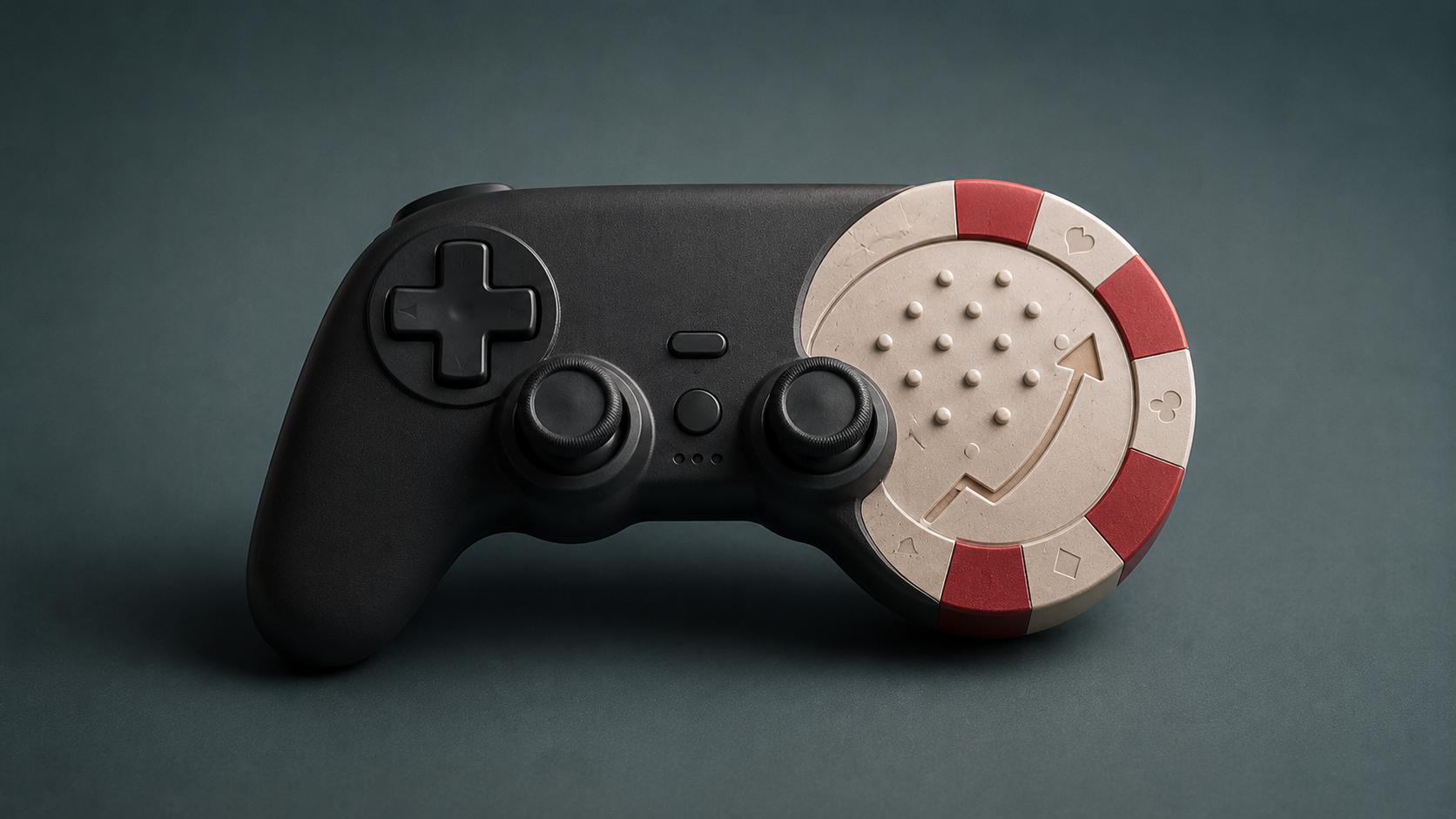
The line between a casino game and a video game is becoming less obvious at first glance. A Canadian player opening an online casino can now find crash games, interactive titles and instant-play formats near the usual slots and table games. Some are built around quick decisions, others around progression or multiplayer features, but the common thread is that players are being asked to do more than simply place a bet and wait for the result.
That shift also gives players more unfamiliar games to try, and not everyone will want to make a large deposit just to find out whether a new format appeals to them. Therefore, these players need to look specifically for sites that accept low minimum deposits. This is how websites like 10DepositCasinos.ca become useful, as they help identify 10 dollar deposit casino options for Canadian players. They fund their accounts with $10 to confirm the minimum deposit works, while also checking that players still have access to a varied game library.
Together, these factors are shaping how players approach unfamiliar casino games. A $10 minimum deposit keeps the initial commitment relatively low, while the growing range of games gives them more to explore once they are logged in.
Lower Entry Points Suit a Try-Before-You-Commit Mindset
Trying something before spending more money on it is already familiar in video games. Free-to-play titles, trials, subscription libraries, and smaller in-game purchases all give players different ways to decide how much they want to spend on a game. This can be seen in an example we previously highlighted with Outriders, whose free demo gave players access for several hours and allowed their progress to carry over into the full game.
The result is a habit of testing first and committing later. Online casinos work differently because deposited money is being wagered. However, a site accepting deposits of $10 lines up with the same preference for a small initial outlay.
This becomes more relevant as casino libraries move into unfamiliar territory. A Canadian player who already understands how blackjack works may know what to expect before depositing. Someone seeing Aviator or Mines for the first time may have very little idea whether the game will appeal to them.
Casino Suppliers Are Taking Cues From Video Game Design
The connection between video games and casino games is not entirely new. One of the clearest examples is Tomb Raider. Lara Croft first became famous through the video game series, but the character has also made her way into online slots.
For someone coming from video games, a familiar title like this can make a casino lobby feel a little less unfamiliar. They may already recognize the character and setting even if concepts such as reels, multipliers and free spins are new to them.
But the crossover goes beyond putting a familiar video game character on a slot. Casino suppliers are also introducing games that look and play quite differently from traditional slots and table games.
SPRIBE is a good example of this shift, offering games like Aviator, Mines and Plinko that move away from traditional slot mechanics. Aviator centres on a rising multiplier that can crash at any moment, with players choosing when to cash out. Mines and Plinko use simple, instantly understandable formats based on risk and reward rather than paylines or symbol combinations.
Suppliers are also borrowing some of the features that have been common in video games for years. Pragmatic Play, for example, introduced Missions across its slot portfolio. A single campaign can hold up to 50 challenges, which operators can run one at a time or together, with players completing objectives and tracking their progress as they go.
That kind of structure is already standard in games such as Call of Duty, where progression is built by earning XP, completing challenges and unlocking weapons, equipment and other items. The casino version is obviously different, but the design language is familiar: give the player an objective, show their progress and provide a reason to keep engaging with the game.
As casino suppliers take more of these ideas, lower minimum deposits can become more relevant in Canada. Players are not only being asked to try a new casino. They are also being asked to explore game formats and features they have never encountered before. A smaller starting amount gives them more room to decide whether those experiences are actually something they want to continue with.
Players Are Becoming Part of the Action
Traditional casino games ask very little of the player. You place a bet, and the outcome arrives. Some newer formats ask players to make decisions while a round is taking place.
In Aviator, that means deciding when to cash out before the multiplier crashes. In Mines, each successful selection creates another decision: take the current return or open another tile. With Aviator, SPRIBE also builds social elements such as chat, live bets and statistics into some of these games.
That was intentional. SPRIBE CEO David Natroshvili, in an interview with iGamingBusiness.com, said that Aviator was created with a simple crash-game mechanic but adapted around multiplayer, live chat and interactive features. He described the result as a more community-driven model where “players weren’t just playing against a machine; they were playing together.”
That style of interaction fits naturally with a wider gaming culture where playing is only one part of the experience. Watching someone else play has become normal too. Counter-Strike is a good example. Players compete as part of a team, but if they are eliminated, they can continue watching their teammates.
Livestreaming takes that experience further by allowing a wider audience to follow the round and react to what is happening in real time. Twitch is well-known for this type of gaming content, but it is not the only option. Canadian-founded Rumble also hosts live gaming streams, giving creators another platform to broadcast their games and interact with viewers.
Counter-Strike loot box openings are another useful comparison. Cases can produce random cosmetic items such as weapon skins, knives or gloves, creating a simple sequence of anticipation, reveal and reaction. Loot boxes and casino games are not the same thing, and regulators in different countries have reached different conclusions about where the line sits. However, from a viewing perspective, the appeal of waiting to see an uncertain outcome and reacting to it is already familiar within gaming culture.
Some casino suppliers are working with the same basic sequence. Build anticipation, deliver a reveal, and give the player something to react to. It is a structure that video game audiences already recognize.
Where the Similarities End and Casino Games Go Next
A $10 deposit may lower the amount needed to get started, but it does not put a limit on how much someone eventually spends or loses. Players can make additional deposits or continue wagering over multiple sessions.
The graphics do not affect the maths either. Real money is still being wagered, and casino games are built around mathematical concepts such as RTP and house edge.
At the same time, suppliers are likely to continue experimenting with the elements that make these games feel familiar to video game players. Such games are already appearing across casino products in Canada. Lower minimum deposits will likely remain alongside this development to give Canadian players a smaller starting point when they want to explore unfamiliar formats.
The traditional slot is not disappearing, but it no longer defines everything an online casino can offer. As suppliers continue to borrow ideas from the wider gaming industry, the gap in presentation may become smaller, even if the difference between gaming and gambling remains important.