Gaming has a long habit of taking one mechanic and dressing it up a dozen different ways until nobody can agree where the original idea ends and the reskins begin. The pattern showed up again in 2022, when a low-budget roguelike about surviving hordes of monsters turned into an entire genre of near-identical imitators within months of its release.
Vampire Survivors started as a $2.99 side project from a developer working under the name Poncle, and it did not invent its core loop so much as popularize it, borrowing the format from an earlier mobile game called Magic Survival. Once it caught on, the format sparked a wave of imitators at a pace that has become normal for the industry. Fortnite needed only six months to pivot into a battle royale after PUBG’s rise in 2017, and Dota Auto Chess picked up copycats from both Valve and Riot within five months of appearing in early 2019.
The habit itself is much older than any single game. Clone waves have followed nearly every genre-defining release, tracing back to Doom and Mario, continuing through the early Soulslikes that chased Dark Souls and the battle royale wave that followed Fortnite before that format became a genre in its own right.
The specific decision baked into a crash game, choosing the moment to stop before losing everything, predates video games entirely. Tabletop designers have built around that same choice for decades under the label push-your-luck, in games where players keep drawing cards or rolling dice and have to decide when to bank their gains before a bad result wipes them out.
This pattern has surfaced repeatedly in recent game releases. Hand of Fate: Hordes, released this year, took the deck-based Hand of Fate universe and rebuilt it as a bullet heaven action game, folding a well-known formula into a genre reshaped by exactly this kind of reskinning.
This appetite for luck-driven design can be seen across games, from Tetris’s randomized block queue to the card draws that shape a run of Balatro. Crash games extend that same lineage into a real-time, single-number version of the same tension.
Crash games are the newest front for the same dynamic. The format itself is simple: a number climbs on screen, and the player has to decide when to stop it before it collapses to zero. Spaceman wraps that same climb in an astronaut floating further into space, JetX turns it into a rocket launch, and Big Bass Crash frames the identical countdown around a fisherman waiting on a catch.
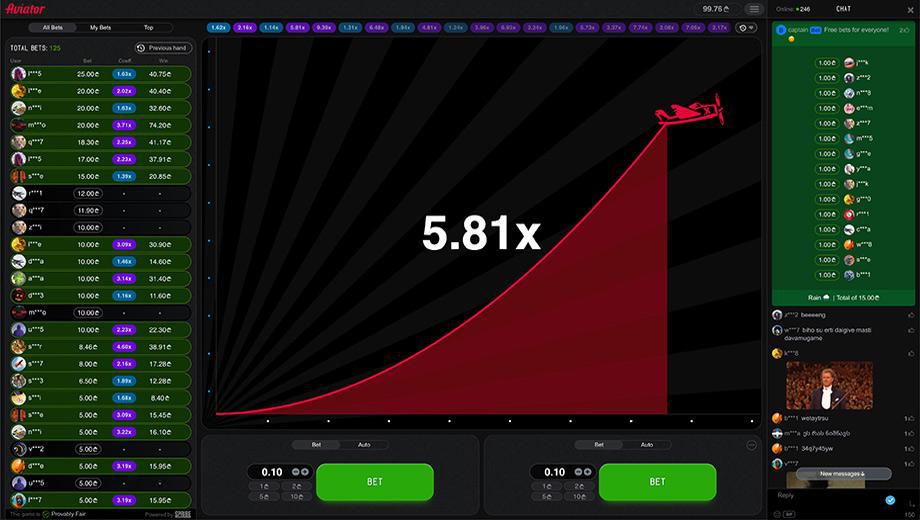
Aviator offers another version of the same climbing number, this time framed around a plane taking off, and it has become one of the several platforms’ most played crash titles. Aviator at KTO, a leading Brazilian betting site, has been the site’s most popular crash game for months.
The specifics change from game to game, but the underlying lesson stays the same. Players keep responding to strong execution wrapped around a familiar shape, whether that shape is a climbing multiplier or a horde of monsters chasing a lone survivor, no matter who used it first.