
Gone are the days when your choice of gaming console determined your circle of friends. In a rapidly evolving industry, one of the most game-changing trends is cross-platform play—the ability for players on different consoles, PCs, or even mobile devices to play together in real time. Once seen as a pipe dream, this level of compatibility is now transforming how we connect, compete, and collaborate across the gaming world.
The increase in online multiplayer titles and global connectivity has also led to greater accessibility for all types of gamers. And for those on a budget or building their libraries, this shift is particularly timely, especially with more games on sale across platforms than ever before.
Let’s dive deep into the rise of cross-platform gaming, what it means for players and developers, and how it’s reshaping the gaming community as a whole.
The Evolution of Cross-Platform Play
The concept of cross-platform play isn’t exactly new. Some early attempts existed in the 2000s—most notably Final Fantasy XI allowing PS2 and PC users to play together, and Shadowrun in 2007 attempting cross-play between Xbox 360 and Windows Vista. But back then, the technology wasn’t ready, and the politics between gaming companies made things even harder.
Fast-forward to today, and the landscape has drastically changed. Fortnite kicked open the floodgates in 2018 by allowing full cross-play between consoles, PC, and mobile, forcing larger industry players to reconsider their walled gardens. Suddenly, what was once a niche feature became a consumer demand.
Games like Call of Duty: Warzone, Rocket League, Minecraft, Apex Legends, and Among Us now let players squad up regardless of the device they use. Cross-platform play has gone from a novelty to an expectation.
Why Cross-Platform Matters to Players
More Friends, More Fun
For players, the biggest benefit is simple: more people to play with. Gamers no longer need to own the same hardware as their friends to enjoy multiplayer sessions. This inclusivity boosts engagement and extends the life of online communities.
Global Reach and Diversity
Cross-play broadens the player base and increases the diversity of interactions. You’re no longer locked into regional or platform-specific matchmaking. This makes the gaming experience feel more global and vibrant.
More Value from Purchases
Games with cross-platform functionality give players more value. You’re not buying into a restricted ecosystem. This becomes even more powerful when you combine it with games on sale, giving budget-conscious players access to more compatible titles across all devices.
The Developer’s Perspective
Implementing cross-platform play isn’t just a checkbox—it’s a significant technical and logistical effort.
Technical Complexity
Ensuring gameplay parity across different systems is no small feat. Developers must manage input discrepancies (mouse vs. controller), frame rate differences, networking standards, and even patch synchronization.
Balancing and Fairness
Cross-play also opens up the issue of fairness. PC players often have advantages in aim precision, while console players may have built-in aim assist. Games like Fortnite and Call of Duty allow players to opt-out of cross-play or match players based on control input rather than platform.
Unified Accounts and Progression
To truly embrace cross-play, developers must also support cross-progression. That means player stats, cosmetics, and achievements follow you from device to device. Platforms like Epic Games and Activision have made this seamless with unified login systems.
Platform Politics: The Old Walls Are Crumbling
Historically, Sony, Microsoft, and Nintendo were hesitant—if not outright hostile—toward cross-play. Each had their own ecosystems, subscription services, and reasons to keep players locked in. But pressure from players, media, and developers has caused a shift.
In 2018, Microsoft and Nintendo famously released a joint Minecraft commercial celebrating cross-platform play. Sony, initially the lone holdout, eventually relented and opened up to titles like Rocket League and Fortnite. Today, most major multiplayer games launch with cross-play support from day one.
This has also attracted attention from regulatory bodies. The U.S. Federal Trade Commission (FTC) has examined platform restrictions in the context of consumer rights and competition. According to an FTC public statement on digital marketplaces, walled ecosystems can reduce consumer choice and increase prices, pushing companies toward more interoperable solutions like cross-play.
Cross-Platform vs. Cross-Progression

Image from Unsplash
While often mentioned together, cross-play and cross-progression are different:
- Cross-Platform Play: You can play the same game online with friends on different systems.
- Cross-Progression: Your game data (stats, unlocks, purchases) carries over between platforms.
Games like Apex Legends, Genshin Impact, and Fortnite offer both. However, some games support one but not the other, leading to confusion. Ideally, future games will offer both as standard features to maximize flexibility.
Business Impacts: A Win for Publishers
Cross-platform play isn’t just good for gamers—it’s great for business.
Longer Game Lifespans
With broader matchmaking pools and fewer barriers to entry, games live longer. Developers can justify extended support and monetize over time with battle passes, cosmetics, or expansions.
Better Conversion Rates
Players are more likely to spend money in a game they play frequently with friends. And when the barrier to access is low, those conversions come even faster.
Unified Marketing Strategies
Marketing becomes more effective when you’re not segmenting audiences by platform. A single, unified campaign can target a game’s entire community—PC, console, and mobile users alike.
Games That Nailed Cross-Platform Play
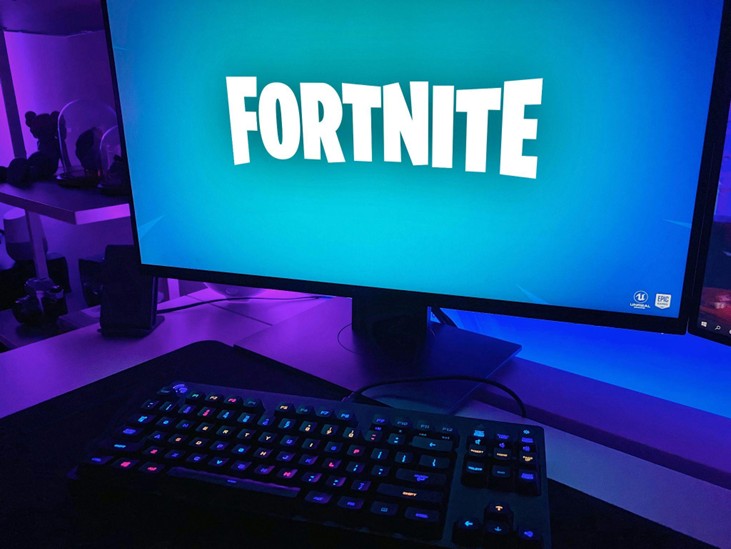
Image from Unsplash
Let’s spotlight a few industry standouts:
- Fortnite: The poster child of cross-play success, supporting nearly every device, including iOS (when available).
- Minecraft: Perhaps the most inclusive title, bringing together console, PC, and mobile players for collaborative creativity.
- Rocket League: Seamlessly mixes players across platforms with impressive matchmaking balance.
- Call of Duty: Warzone: Offers full cross-play and cross-progression, helping sustain its competitive community.
- Dauntless: Proves that smaller studios can also deliver high-quality cross-platform experiences.
Challenges Still Ahead
While progress is impressive, some issues persist:
- Inconsistent Implementation: Not all games support both cross-play and progression.
- Privacy and Safety: Cross-platform play can expose players to different moderation standards or community norms.
- Store Restrictions: Some digital storefronts have policies that complicate or block cross-platform content sharing.
The Future of Cross-Platform Gaming
Looking forward, we can expect the following trends to shape the next generation of cross-platform gaming:
Unified Ecosystems
As cloud gaming grows (think Xbox Cloud Gaming, NVIDIA GeForce NOW), platform barriers will become even more irrelevant. The future might not be Xbox vs. PlayStation—it could be Xbox on iOS, PlayStation on Android, or everything via browser.
Smarter Matchmaking
AI-based matchmaking could further refine balance, placing players in fair lobbies regardless of their device or control method.
Console-Agnostic Development
Studios may move toward development strategies that assume cross-platform functionality from the start, building engines and infrastructure to support it.
Cross-platform play is one of the most liberating advancements in modern gaming. It breaks down arbitrary walls, connects global communities, and ensures that your hardware choice doesn’t limit your experience.
With studios, players, and regulators all pushing for more open ecosystems, this trend is only set to grow. And as you explore your next gaming adventure, remember that more and more games are being built with everyone in mind—regardless of where or how they play.
So whether you’re on a high-end PC, a trusty console, or a mobile device, keep an eye out for games on sale that bring people together across platforms—and into a future where gaming is truly universal.