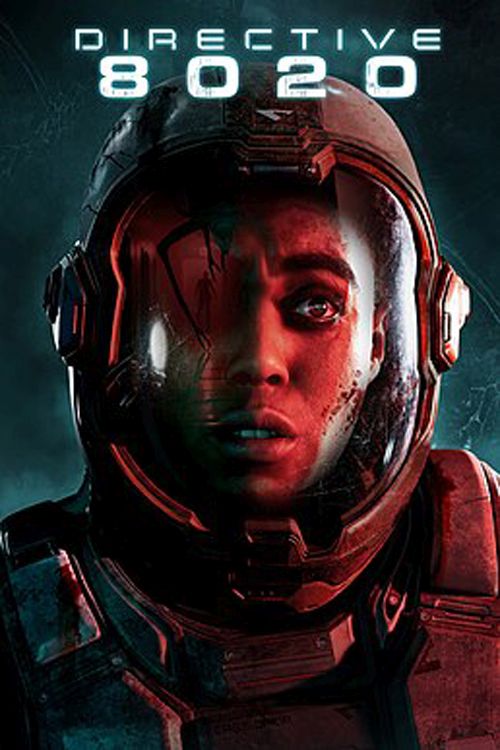
Directive 8020 Review
We all know how stories are constructed. They have a linear sequence of beginning, a middle and an end. We start in one place and end up in another and stuff happens in between. Mess with that construction and you risk losing comprehension or narrative drive. Supermassive’s new sci-fi horror adventure Directive 8020 takes a lot of risks. One of them is playing with time, both in the narrative sequence and player mechanics. It’s one of the ways Directive 8020 stands apart from other games in the Dark Pictures Anthology franchise.
Planetary Doom and Gloom
Directive 8020 depends heavily on plot twists and turns, surprising events and gradually evolving revelations. I’ll do my best to be cagey about spoilers. The game takes its inspiration from a few real-world events and more than a few well-known, easy-to-spot sci-fi classics. NASA’s real life directive 8020.7G was a prescriptive for preventing alien life from contaminating Earth. The Apollo 10 mission to the moon didn’t land astronauts on the lunar surface but prepared the path for the eventual mission.
In Directive 8020, Earth is close to becoming uninhabitable, so two spacefaring ships are sent to the planet Tau Ceti f in the hope of finding humanity’s next home. Cassiopeia is the first ship to arrive, and its task is to survey the planet and prepare the way for its sister ship Andromeda to land. With most of the crew still in hibernation, Cassopeia is struck by an object that rips a hole in its skin and mangles its systems. As the crew awakens and Cassiopeia is preparing to enter planetary orbit, things go increasingly south and the ship crash lands. Directive 8020 pivots from being a tale about space exploration to a tense story of survival.
Of course, there’s more to it than that. The object that mangled the Cassopeia wasn’t just a rock but harbored alien life, the kind that infects humans and mimics their form a la John Carpenter’s The Thing. It doesn’t take long for paranoia to set in.
Flash Forwards and Back Again
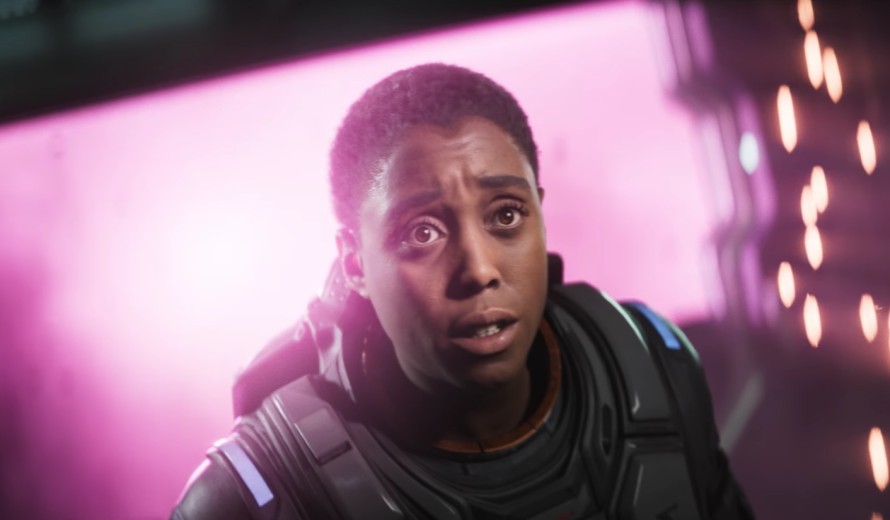
Horror narratives depend heavily on a steadily increasing sense of dread and tension. Directive 8020 decides to subvert expectations by moving back and forth in time. It will leap 20 hours into the future when bad things happen, then return the player to the present. Or it will flash back to a pre-mission past for a few minutes of cinematic character development. On one hand, knowing what’s about to go down makes you wonder if you can change it. In another way, knowing what happens later makes what’s happening now a little less interesting. On the whole, the narrative time-jumping is an audacious choice that doesn’t always pay off.
Hand-in-hand with the story ping-ponging around its timeline is the game’s new Turning Point system, which allows the player to see a grid of the narrative’s branching paths and replay key sections without permanently altering the saved game. This is a great tool for those with decision paralysis, as no major choice becomes final unless they want it to be. Like other Supermassive games, there are actions and choices in Directive 8020 which kill off major characters and close some narrative paths. The new system allows players to explore a long series of “what-ifs” without starting a new playthrough. There’s also a mode in which those do-overs are disabled.
This isn’t a new thing to Supermassive games, either, but there is no consistent player character, though it’s obvious that certain cast members are more front-and-center and pivotal. Instead, players take control of various crew members as the narrative dictates. This makes sense in light of the game’s couch co-op mode.
Sneaking Around
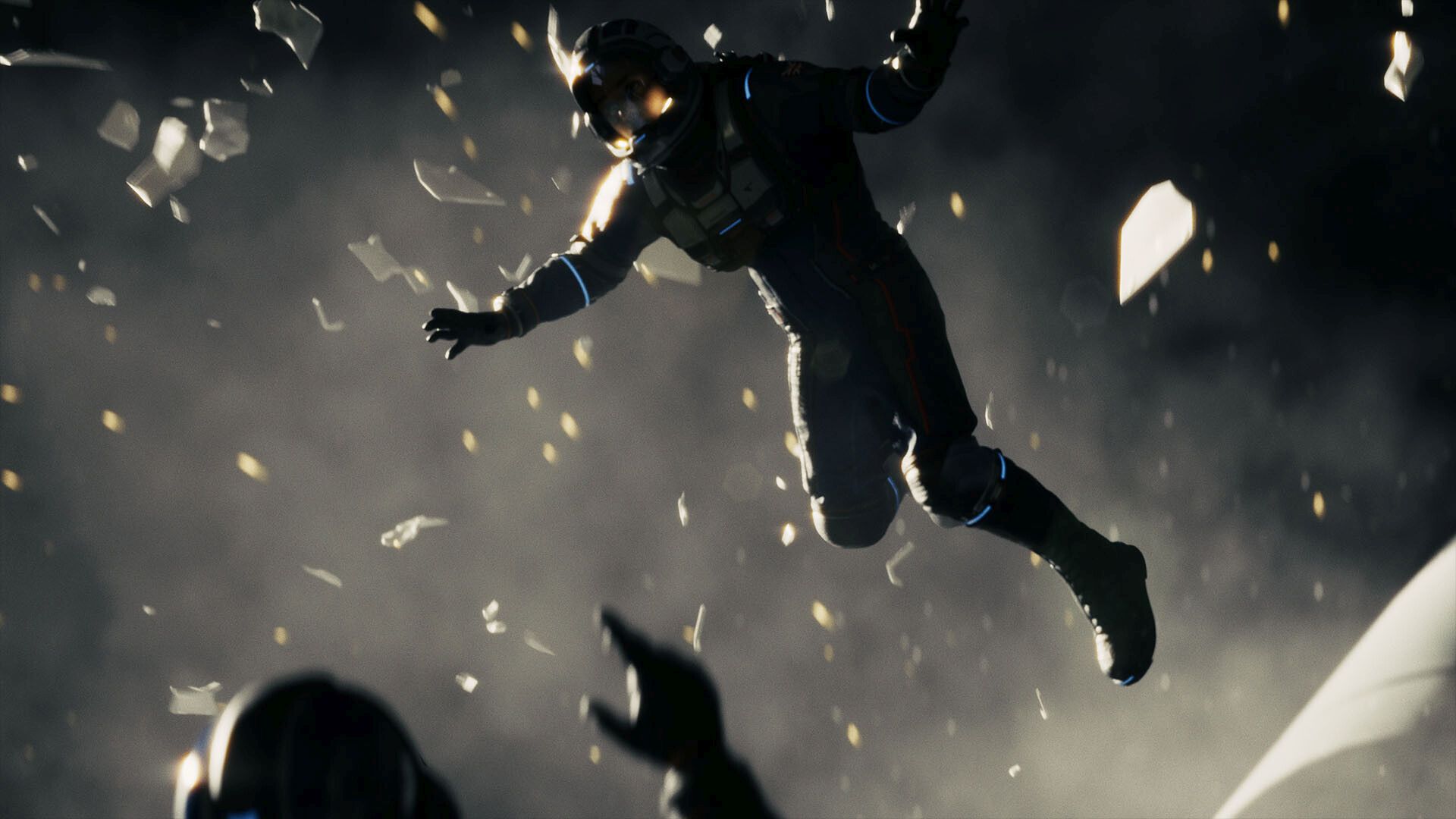
Neither the Cassiopeia or its crew are outfitted for combat, so there’s no storehouse of weapons. Instead, characters need to improvise new uses for tools and manipulate the environment. There’s less grindhouse-type gore and violence in Directive 8020, but plenty of jump scares, a growing feel of terror, desperation and paranoia. As in the classic Alien films, a great deal of play time is spent climbing through heating ducts and stealthing around enemies. There are also quite a few relatively simple environmental puzzles, often needing to be completed under pressure. Not quite padding, some of the sequences of hunting through the ship’s innards are less than compelling. Ditto the steath, where enemy patterns and looped dialogue sometimes make them feel more repetitive than terrifying.
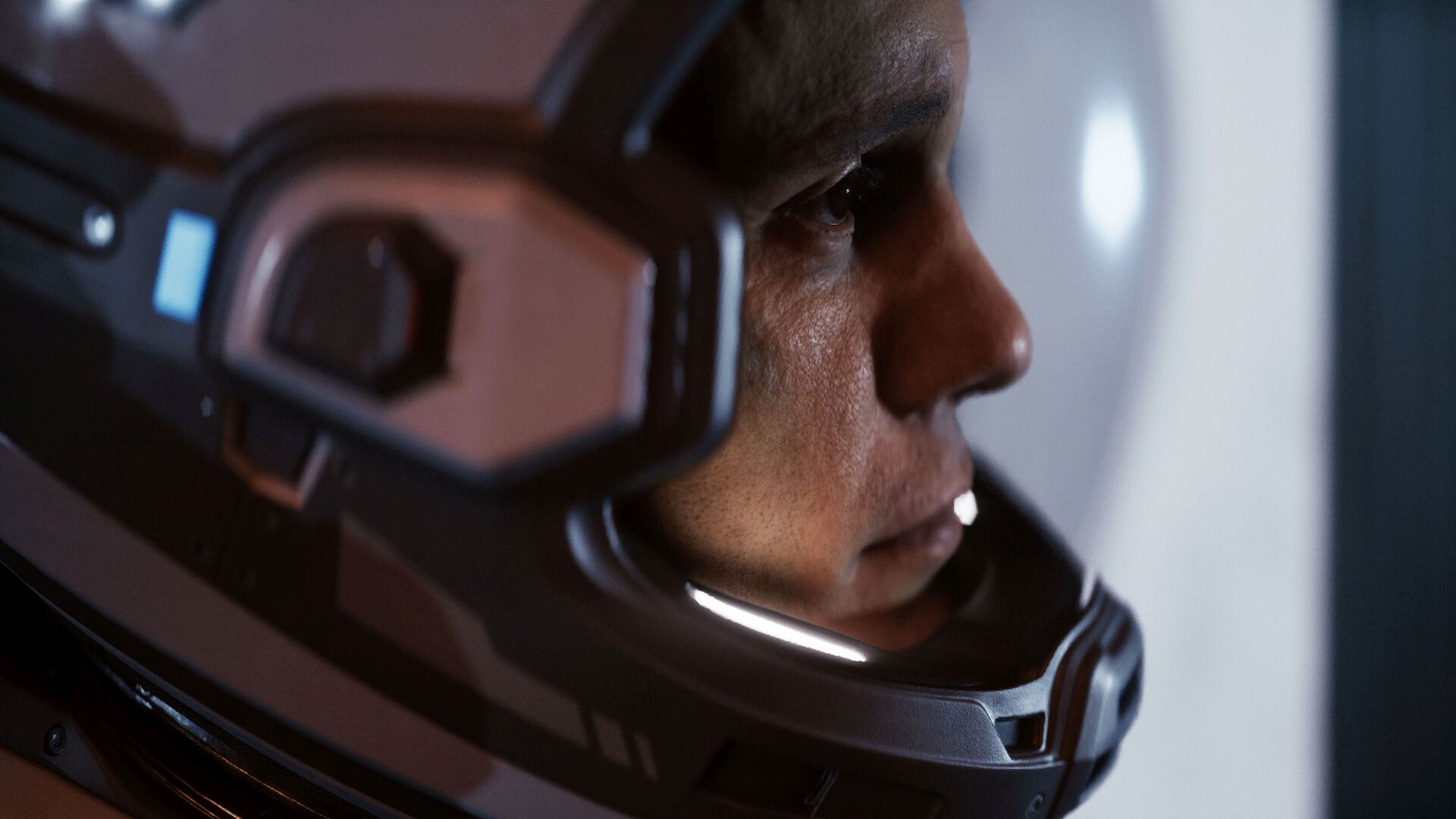
Aside from the growing masses of alien goo, the Cassiopeia looks like the slick, antiseptic sci-fi space ships you’ve seen a thousand times before. The lighting design is impressive and the sequences outside the ship can be almost breathtaking, but I’m sure glad there’s an optional objective marker to guide me through the winding, copy pasted-feeling corridors.
Talking about visuals means we also have to discuss character design. The cast of veteran actors is uniformly excellent in terms of performance. But the characters themselves are a little dull in comparsion to those in other Supermassive titles. They’re also very talky, stopping in the midst of a crisis to have an unlikely extended dialogue about the meaning of faith, for example. The alien body-snatching mechanic allows the actors to stretch their chops a bit and break out of the genre roles they fultil.
Stepping Outside
Directive 8020 is Supermassive Games doing what it does best: making a horror adventure out of genre fiction. In this case, it’s body-snatching, Alien-hunting sci-fi and a diminishing crew under increasing pressure. Both its setting and time-jumping narrative construction make it unique, but it never strays very far from the constraints of its inspirations. Impressive visuals, effective performances and generally polished mechanics are countered by a muted tone, some dull exploration sequences and stealth. The game’s pacing and momentum sometimes feel out of whack. Still, both fans of Supermassive’s approach to storytelling and classic sci-fi will enjoy their time on Tau Ceti f.
***PC code provided by the publisher for review***
The Good
- Impressive visuals
- Interesting rewind mechanic
- Well acted
- Channels classic sci-fi survival
The Bad
- Some dull exploration and stealth
- Characters are pretty unremarkable
- Pacing issues
- Sticks pretty close to its inspirations