Everything We Know About Call of Duty: Modern Warfare 4’s Campaign (Spoilers Included)
Call of Duty: Black Ops 7’s campaign got a bad rap. Sure, it was goofy and over-the-top, but my friends and I still had a blast playing through the story and its robust Endgame. Endgame was such a pleasant surprise, and being able to play all that cooperatively was great. Even so, for many fans, the campaign was disappointing. Many feeling that it lacked the intensity and polish that once defined Call of Duty’s best single player stories.
While in Los Angeles, Infinity Ward unveiled the first details for Call of Duty: Modern Warfare 4. They are calling it both a fresh start and a return to the franchise’s roots. Based on what I saw, Modern Warfare 4’s campaign looks poised to wash away the lingering bad taste Black Ops 7 left for some folks.
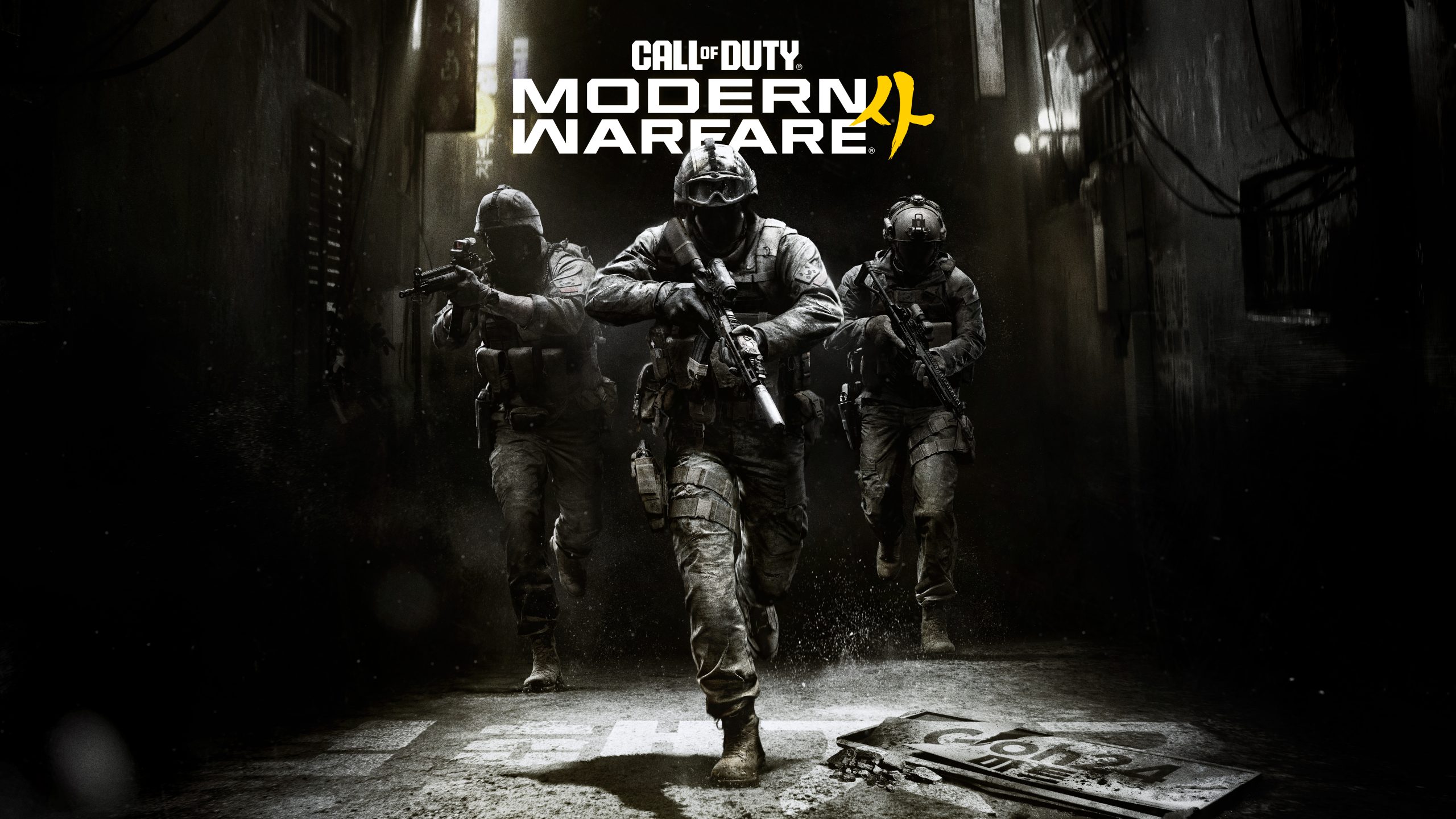
During a rather lengthy briefing, co-studio heads Mark Grigsby and Jack O’Hara laid out the game’s narrative direction, themes, locations, characters, and gameplay philosophy. I also got a chance to chat with Jeff Negus (Narrative Director) and Alex Norris (Associate Design Director) about the single player experience.
From a massive war between North and South Korea to a hunted Captain Price seeking revenge, Modern Warfare 4 looks set to blend grounded military combat with a cinematic spectacle.
Infinity Ward emphasized that Modern Warfare 4 is not a reinvention of the franchise, but an evolution of it. As the developers explained, they’ve spent roughly four years building toward a vision that isn’t reactive to trends or online grievances. Instead, they are focused on refining what already works. The core pillars remain the same: gameplay first, “ripped from the headlines” realism, authentic grounded characters, state-of-the-art visuals, and strong overall polish.
The Campaign Is Set Primarily in Korea
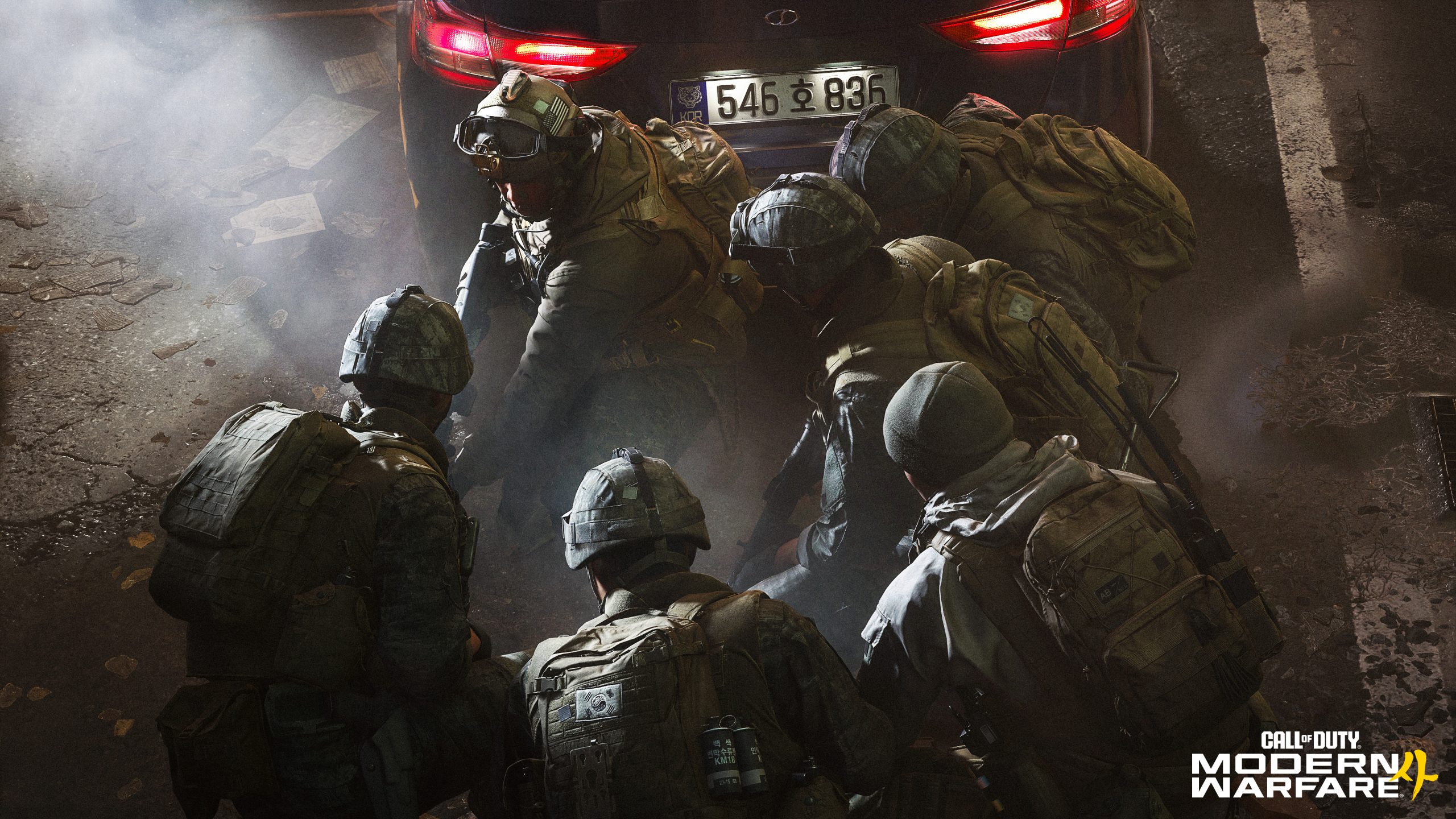
For the first time in the Modern Warfare series, the campaign is set primarily on the Korean Peninsula.
Developers said they chose South Korea because of its unique mix of modern culture and long-standing geopolitical tension. They described the region as a “powder keg” where conflict already feels close to the surface. The developers highlighted the heavily militarized borders, large-scale artillery aimed toward population centers, and the presence of major U.S. military forces stationed in the region. One developer noted you don’t need to exaggerate much because the real-world tension is already there. This all fits their “could happen tomorrow” approach to storytelling.
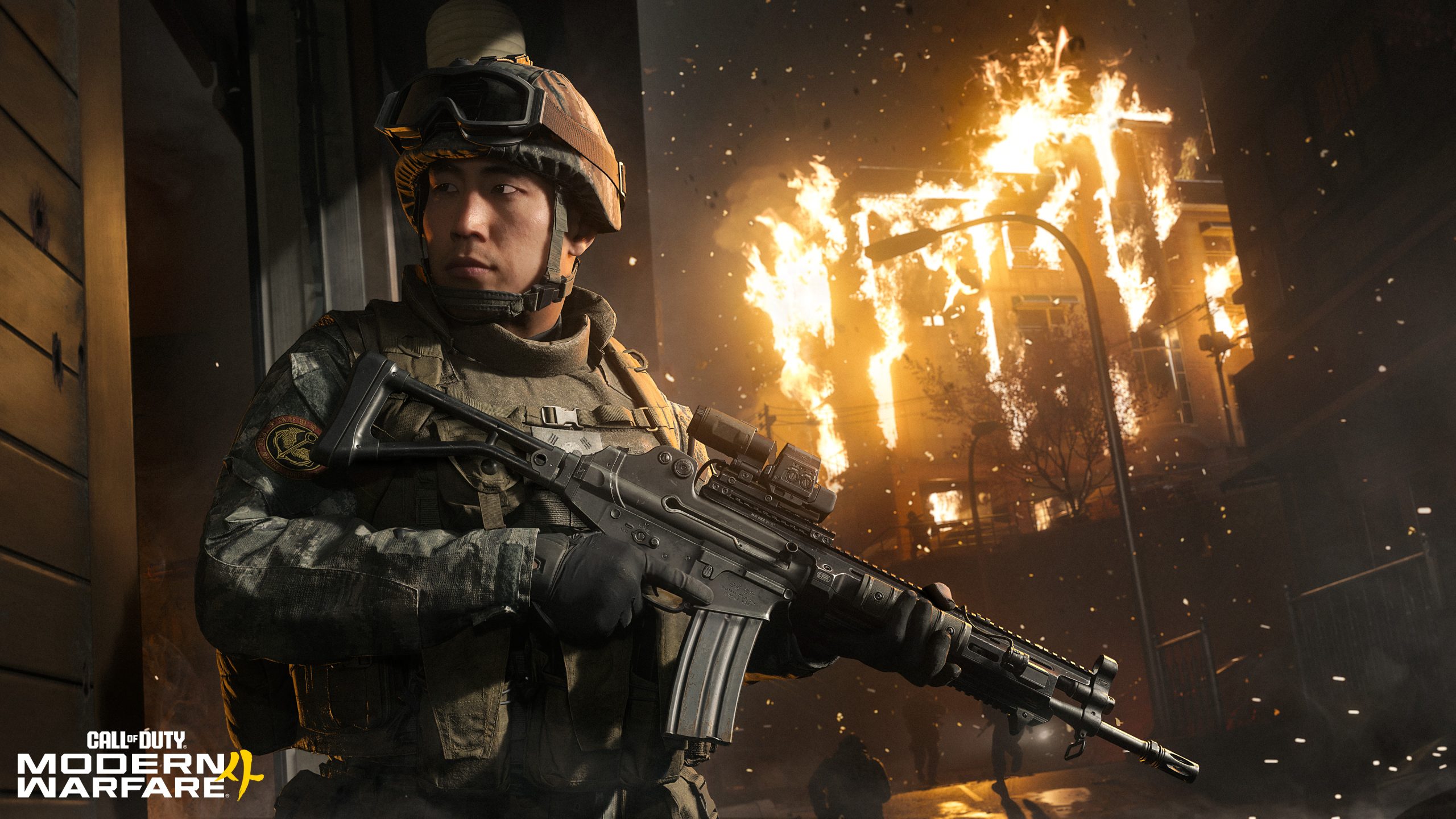
The Story Kicks Off With a North Korean Invasion
The campaign begins with a sudden North Korean invasion of South Korea. The opening act follows a mixed squad of South Korean soldiers and U.S. Marines on a routine patrol when missiles strike without warning. Quickly, it turns into a full-scale war, including airborne troops dropping into civilian areas. The developers emphasized that this tonal shift is intentional, focusing on young, inexperienced soldiers who have never seen combat before and are suddenly forced to adapt in real time. The idea is to show war as confusion and shock rather than controlled precision.
The “Grunt Perspective” Returns
A major shift in Modern Warfare 4 is the return of the “grunt perspective.” Instead of focusing mainly on elite special forces operators like recent COD entries, this campaign leans into large-scale infantry warfare and the experience of ordinary soldiers. Developers explained they wanted to understand what “big war” actually looks like, which meant consulting with personnel who had experience in large infantry formations. That influence shows up in gameplay roles inside squads and vehicles, where drivers, commanders, scouts, and coordination roles all contribute to the larger battlefield instead of individual hero moments.
Captain Price At Large (Spoiler Alert)
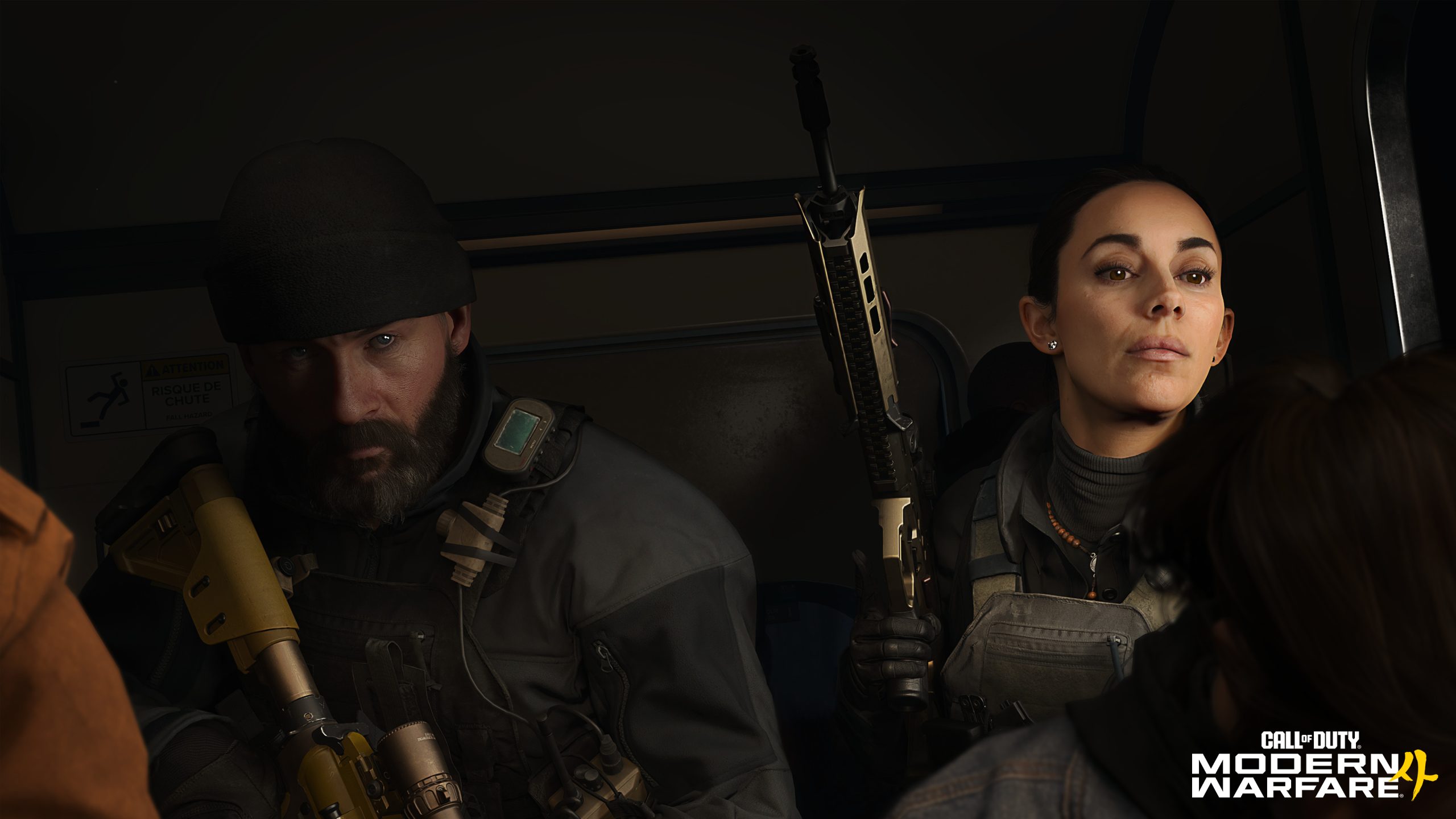
Alongside the squad storyline, Captain John Price returns in a very different role following the events of Modern Warfare 3, where he killed General Shepherd inside the Pentagon. In Modern Warfare 4, Price is on the run from government forces and operating independently while hunting Vladimir Makarov. However, Makarov is killed very early in the story during a mission in New York, which immediately reframes the narrative. Rather than ending the conflict, his death reveals a deeper conspiracy involving a mysterious weapon and a higher-level figure behind the scenes. Price’s role shifts from a revenge-driven pursuit to a broader investigation, and he eventually forms a shaky alliance with returning character Valeria as the story expands into a more espionage direction.
Multiple Countries and Major Cities
While Korea serves as the main setting, the campaign is global in scope. Locations include Seoul, North Korea, New York City, Paris, Mumbai, rural France, and Russia. The developers said this variety supports the contrast between large-scale warfare in Korea and more covert, spy-style operations elsewhere. Price’s storyline in particular leans into a thriller tone inspired by espionage films, while the Korean front focuses on full-scale military conflict.
Huge Set Pieces Are Back
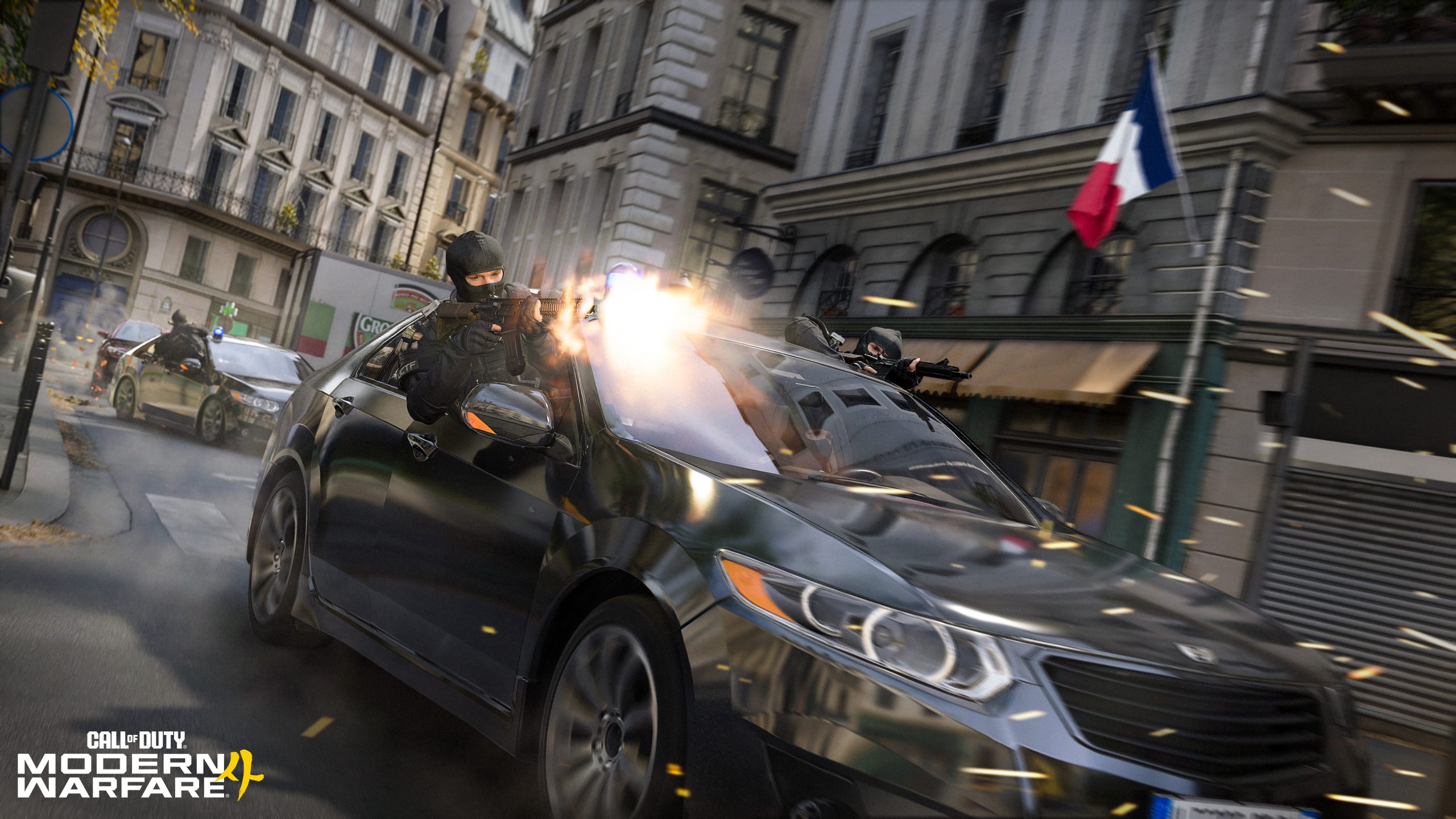
The campaign also features a series of large set-piece missions. These include a Paris car chase through dense city streets with full vehicle combat, a New York nightclub assassination mission, a train yard escape sequence in France involving moving platforms, a massive assault inspired by D-Day where U.S. and South Korean forces attempt to retake an occupied city, and a late-game nuclear facility assault featuring trench warfare, tanks, drones, and heavy resistance. Developers highlighted the Paris chase in particular as a showcase of their push for innovation within familiar mission types.
Campaign Built on Variety and Disruption
A major theme throughout Modern Warfare 4 is variety. The developers stressed that no two missions should feel the same, with constant shifts in structure, pacing, and gameplay style. One mission might start quietly in a civilian space before suddenly collapsing into chaos, while the next could focus on armored warfare or stealth operations. The goal is to continuously challenge folks expectations and avoid repeating familiar mission templates.
Progression, Length, and Design
On structure and pacing, Infinity Ward described the campaign as larger than previous entries but designed for flexible play sessions. Missions are built so players can progress in short bursts without losing narrative momentum, making it more approachable for players with limited time. Progression systems are also tied into campaign play, with XP and rewards feeding into broader game systems, although specifics were not fully detailed.
Return to Large-Scale Warfare
A major philosophical shift for the series is the return of large-scale warfare. Instead of the smaller operations of recent games, Modern Warfare 4 reintroduces combined arms combat involving infantry, armor, air support, and trench-style engagements. Developers said this allows them to depict war on a broader, more chaotic scale where survival and adaptation matter more than precision execution.
The Focus is Polish and Long-Term Vision
Infinity Ward also emphasized that the game has benefited from a long development cycle. This all means more polish and refinement. They described the project as an opportunity to revisit ideas from previous games that didn’t make it in and fully realize them here. The focus, they said, is on delivering a stable and highly polished experience at launch.
Modern Warfare 4’s Campaign Appears Dark and Ambitious
Based on everything shown, Modern Warfare 4 appears to be one of the most ambitious campaigns the series has seen in years, even if it plays things somewhat safe. Everything revealed so far suggests players will get more of what fans already love about Call of Duty’s single-player experience. Rather than radically reinventing the franchise, Infinity Ward is focused on refining and expanding its core identity by blending large-scale conflict in Korea, grounded military storytelling, and multiple narrative perspectives into one connected cinematic experience.