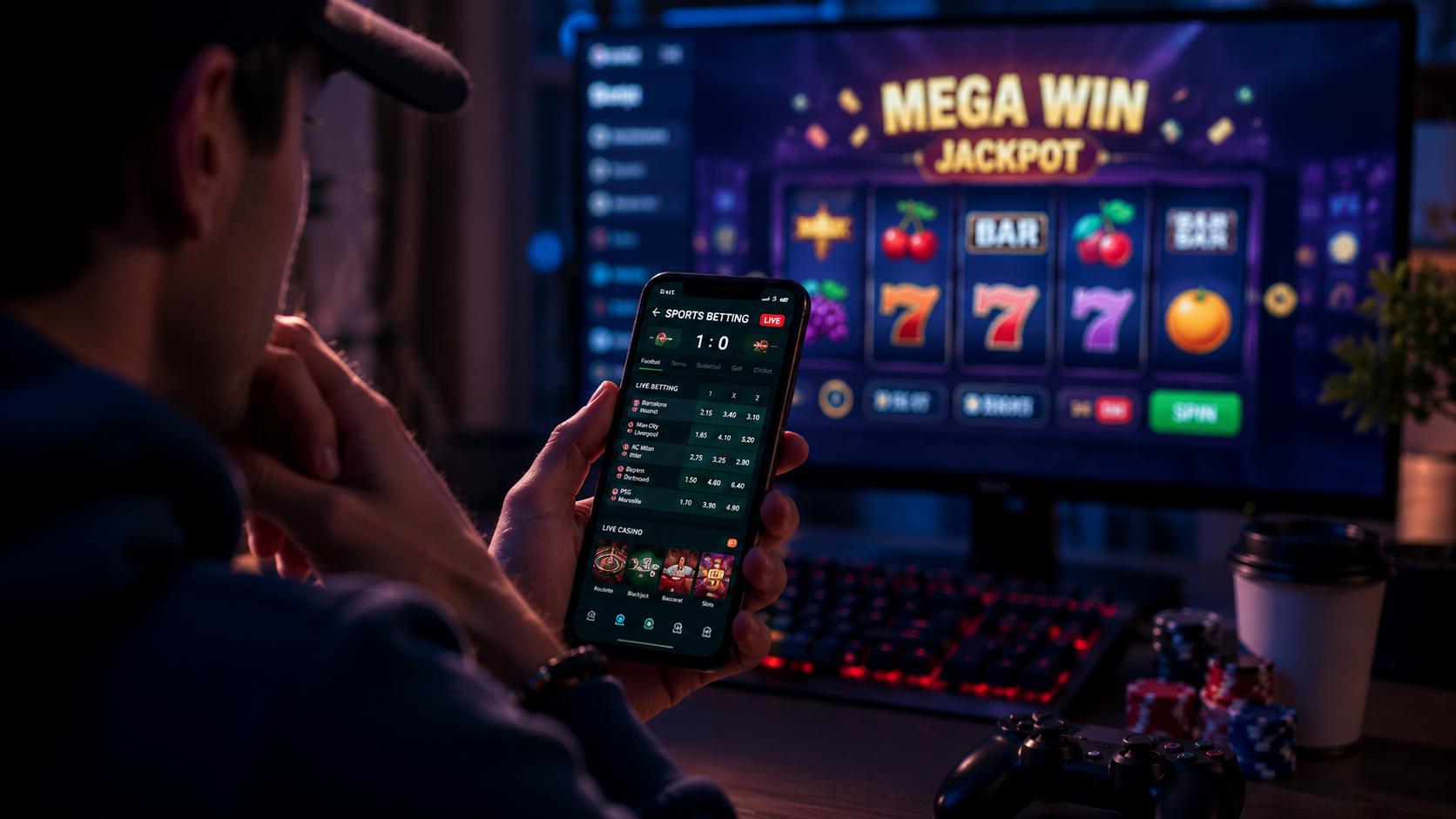
Video games and gambling used to sit in separate rooms: one had controllers, the other had chips, cards, and a cashier window. That split is harder to defend in 2026, when 212.3 million Americans play video games every week and digital stores can sell a skin, a battle pass, or a randomized item in 3 clicks. The overlap does not mean every game is gambling. It means the design language has started to rhyme.
The Button Got Expensive
The shift began when game publishers made the store feel like part of the loop rather than a separate checkout counter. A player finishes a 12-minute match, sees a reward tier fill, and gets shown a bundle before leaving the lobby. That sequence looks harmless when the price is $4.99, but it becomes a habit when the same screen appears every night for a 30-day season. The small observation is mechanical: the shop often appears after success, when the player is most willing to stay.
Casino Design Learned From Games
Modern casino apps borrow the tempo of mobile games: daily rewards, animated reveals, badges, progress bars, and limited-time rooms. Players do not need a felt table to recognize the rhythm of online casino games when the interface already speaks in missions, streaks, and unlock screens. The risk sits in the overlap between entertainment and expectation, especially when a game uses fast feedback after every spin or card. A bright button, a 2-second animation, and a near-miss sound can make one more round feel routine. That line matters.
Loot Boxes Put Regulators on Alert
Loot boxes made the debate harder because they sell randomized digital rewards while keeping the prize inside a game economy. The United Kingdom decided not to extend its Gambling Act to loot boxes, but it kept the issue under review and pushed industry rules on disclosure. New York’s attorney general filed a 2026 lawsuit against Valve over loot boxes in titles tied to Counter-Strike 2, Team Fortress 2, and Dota 2; Valve has disputed similar characterizations in broader industry debates. The legal outcome may take time, but the design question is already visible: chance-based purchases have become a mainstream entertainment feature.
Sports Apps Added Another Layer
Sports betting added real fixtures, real injuries, and live odds to the same phone where fans already play games. In the Philippines, PAGCOR’s 2026 push for tighter KYC, advertising controls, and responsible gaming measures shows how regulators read the stakes around digital gambling. A fan following online betting Philippines during a PBA night sees a different interface from a console lobby, but both can use alerts, account balances, countdowns, and personalized offers. The difference is legal risk and money settlement. The hook is familiar.
Communities Normalize the Spend
Gaming culture also changed because streamers and Discord communities made spending visible. A player opening 20 packs on Twitch, a creator showing a rare Counter-Strike skin, or a mobile gamer buying a seasonal bundle turns private consumption into content. Casino platforms noticed that social proof works: tournament leaderboards, shared wins, and live chat panels make the room feel busy even when the user sits alone. The small detail is telling: a badge beside a username can carry the same status signal as a rare weapon skin.
Basketball Shows the Crossover
The crossover becomes clearer when sports, games, and gambling meet around one event window. A user checking PBA betting before a Barangay Ginebra game at Smart Araneta Coliseum may also play a mobile title during halftime, watch highlights on TikTok, and return to a live odds screen in the fourth quarter. The platforms are different, but the consumer rhythm is one evening session. That is why responsible design has to follow the user across products, not just sit inside one legal category. A deposit cap means less if 5 other prompts keep the same person in spending mode.
Cleaner Design Can Still Win
The best platforms will not be the ones with the loudest animation or the longest streak chain. Better design means published odds, clear price labels, friction before deposits, visible time spent, and age checks that work before the first payment. Game publishers also have choices: cosmetic stores can use fixed prices, battle passes can avoid manipulative timers, and random rewards can disclose probabilities in plain language. The market is not short on entertainment; it is short on interfaces that know when to stop pushing.