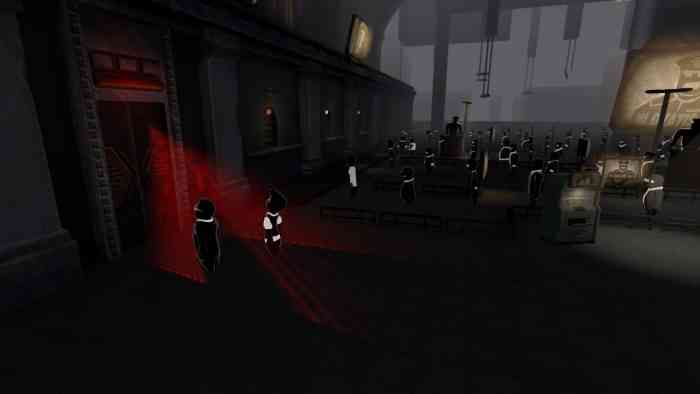
Ever notice how some of the most gripping moments in narrative games have nothing to do with combat? In Beholder: Conductor, the dread doesn’t come from a boss fight. It comes from watching a meter tick down, weighing whether to spend your last few coins on rent or on a bribe that might keep a tenant out of trouble. The tension is purely economic. And once you start paying attention, you realize how many great games quietly run on the same engine: money, scarcity, and the small gambles people make when resources run thin.
That fascination with virtual money has spilled far beyond the games themselves. As players got more comfortable thinking about digital coins as something with real weight, a parallel world of entertainment grew up around actual digital currency, and that’s where the interest in the best online casino bitcoin destinations comes in. Reviews and rankings of these Bitcoin-friendly sites have become a go-to resource for entertainment-seekers in 2026, covering the bonuses that pull people in, anonymous play for those who value privacy, and the crypto banking options that let users move funds in and out without the usual banking friction. For someone who already enjoys the thrill of managing currency inside a game, it’s a natural next stop.
Why In-Game Economies Hook Players So Hard
The Beholder series understands something a lot of bigger budgets miss: money is a storytelling tool. Every coin in Conductor represents a choice with a human cost. Do you report a neighbor for a payout, or eat the loss and sleep a little easier? That push and pull is the whole game, and it works because the economy feels real even though it’s entirely made up.
This is hardly unique to one indie title. Disco Elysium turns your dwindling funds into a constant low hum of anxiety. Cyberpunk 2077 hands you eddies and dares you to blow them on chrome you can’t quite afford. Even something as cozy as Stardew Valley runs on a loop of earning, saving, and gambling on next season’s crops. The numbers aren’t real, but the feelings absolutely are. Designers know that a well-built Virtual economy can carry an entire narrative on its back, because scarcity forces players to reveal who they are.
The Surprisingly Serious Study of Fake Money
Here’s the part that catches people off guard: virtual economies are a genuine field of academic study. Researchers have spent years trying to understand why digital coins, gems, and credits behave so much like the real thing. When the supply of an in-game currency balloons, prices inflate. When a rare item gets nerfed, secondary markets crash. Players hoard, speculate, and panic-sell exactly the way actual markets do.
Legal scholars have dug into the messy questions this raises. Who actually owns the gold in your World of Warcraft bank, or the skins in your Counter-Strike inventory? Academic work on Video Game Currency wrestles with whether these digital assets count as property, and what happens when real-world value gets attached to numbers a developer could delete tomorrow. It’s a strange frontier, and games like Beholder sit right on top of it, treating fake money with the seriousness usually reserved for the real kind.
From Beholder’s Coins to Real Digital Currency
What makes the jump from in-game cash to actual crypto feel so short is the shared mental muscle. A player grinding currency in Path of Exile is already thinking in exchange rates, risk, and timing. The leap to a digital coin that exists on a blockchain isn’t a leap at all, really. It’s the same instinct, pointed at a different ledger.
Bitcoin and its cousins gave that instinct somewhere new to go. Suddenly the abstract idea of digital value had a real market, real volatility, and real stakes. Economists saw it coming long before the gaming crowd did. Early theoretical work On Virtual Economies explored how value emerges inside closed digital systems and how it might eventually bleed into the broader economy. Crypto turned that thought experiment into a daily reality, and entertainment was one of the first places it landed.
Where the Game Logic Meets Real Bitcoin Thrills
This is exactly why crypto casinos clicked so quickly with people who grew up on game economies. The vibe is familiar. There’s a balance on screen, choices about how much to commit, and that little spike of anticipation when an outcome lands. The difference is that the currency in play is Bitcoin rather than gold pieces from a fictional kingdom. For entertainment-seekers who already enjoy that loop, it scratches a very specific itch.
The appeal also lines up neatly with what crypto does well. Moving digital coins around feels instant and frictionless compared to old-school banking, and the option to play anonymously echoes the way games let you slip into a different identity. Bonuses add a layer of strategy that any Beholder player would recognize instantly: read the terms, weigh the value, decide whether it’s worth it. It’s resource management wearing a different costume.
Why This Overlap Keeps Growing
The thread tying all of this together is simple. Once a generation of players learned to take digital money seriously, the line between fictional and real currency got blurry. A game like Beholder: Conductor trains you to feel the weight of every coin. Crypto, with its volatility and genuine stakes, offers that same weight without the script.
For gamers, it’s less a hard turn and more a natural extension of skills they’ve been building for years. The coins look different, and the thrill is real instead of rendered. But the core feeling, that delicious tension of deciding what to do with what you’ve got, stays exactly the same.