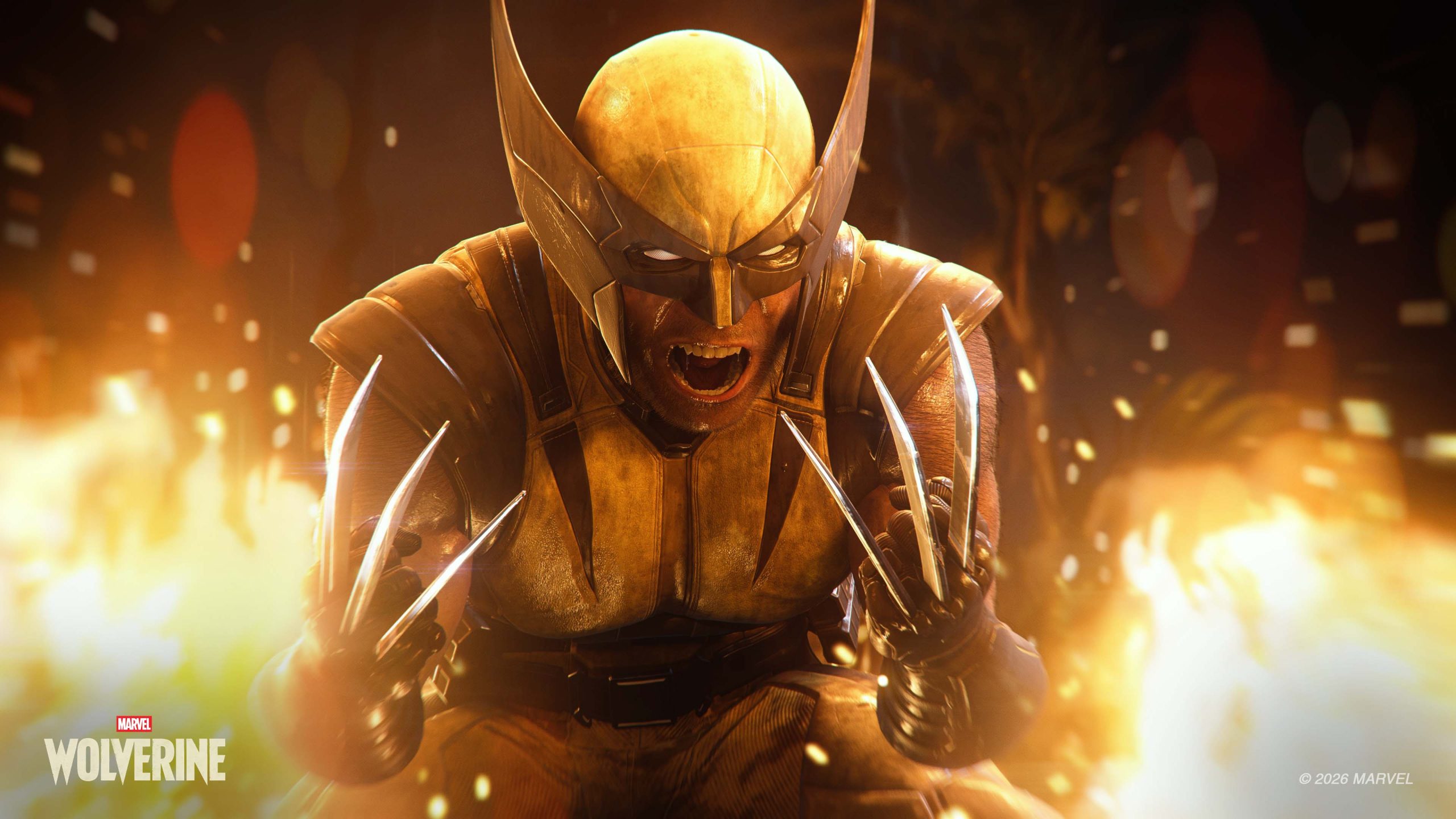
Anyone who has clocked serious hours in a sprawling action title knows the pattern. After a brutal boss gauntlet or a long stretch of clawing through enemies, the brain wants something slower. That’s part of why so many big games bury little card minigames in their corners — a quiet table tucked into a saloon, a hand of something simple offered by an NPC who clearly has time to kill. Games like Red Dead Redemption 2 and The Witcher 3 turned those side-table card games into genuine fan favorites, and the upcoming Marvel’s Wolverine, with its gritty world and Logan’s bar-crawling history, is exactly the kind of game where a smoky backroom card table would feel right at home. Gamers have noticed how satisfying those breaks can be, often carrying the habit out of the game and into a real hand of cards.
That crossover is more common than it looks. Once a player gets a taste for reading a table, weighing a bluff, and managing a stack, the natural next step is to try the genuine article — and that’s where the best online poker sites for real money come into the picture. Review and comparison hubs exist precisely to help newcomers sort through the options, breaking down cash games versus tournaments, explaining how rakeback and bonuses actually work, and walking through which poker rooms suit which kind of player. For a console gamer who already loves Texas Hold’em as a wind-down ritual, those guides cover the practical stuff: software quality, regional picks for the US, India, and the UK, and crypto or offshore choices like CoinPoker. The goal is simple — help someone who enjoyed virtual cards find a real table that fits how they like to play.
Why Games Keep Sneaking Card Tables Into the Action
Game designers have understood the value of a palate cleanser for decades. Think of the Gwent obsession that grew out of The Witcher 3, or the Caravan card game tucked into Fallout: New Vegas. Red Dead Redemption 2 gave players an entire poker subsystem, and people sat at those virtual tables for hours, ignoring the bounties and the storyline entirely. These aren’t filler. They’re deliberate change-of-pace moments that let the adrenaline settle before the next big setpiece.
Marvel’s Wolverine is built around intensity — the berserker rage, the close-quarters violence, the constant motion. A game like that practically begs for contrast. Whether or not Insomniac drops a literal card minigame into a dive bar, the appeal is obvious: a slower beat where the only thing at stake is a fictional pot, and the only skill required is patience and a little nerve. That rhythm of tension and release is what keeps players coming back, and it’s why card games and combat have always made surprisingly good roommates.
From Pixels to a Real Pot

There’s a genuine reason the jump from in-game cards to the real thing feels so natural. Researchers have actually studied it. One qualitative analysis of that transition explored how players who grow comfortable with game mechanics often migrate toward similar real-world activities, drawn by the familiar feel of the systems they already understand. The loop is the same: assess the situation, weigh the odds, make a call, live with the result.
Poker pays off exactly the kind of thinking gamers already do well. Anyone who has tracked enemy patterns in a soulslike or managed resources in a survival game is halfway to understanding pot odds and position. The mental muscles overlap. That’s why a Hold’em hand feels less like a brand-new hobby and more like a different application of skills the player has spent years sharpening on a controller.
The Wind-Down Factor
The bigger draw, honestly, is relaxation. After a demanding session, the nervous system needs to come down, and a low-stakes mental game does that beautifully. Universities and wellness experts regularly point to gentle, focused activities as a path to decompression — JMU’s roundup of simple ways to relax emphasizes exactly the kind of low-pressure, attention-absorbing pastimes that ease a busy mind.
A hand of poker fits that mold neatly. It asks for just enough concentration to push out the day’s clutter, without the white-knuckle stress of a raid boss or a ranked match. The pace is yours to set. You can fold, sit back, sip a coffee, and rejoin when the next promising hand comes around. For a gamer who spent the evening dodging Sentinel attacks as Logan, that change of tempo is the whole point.
Cards as the Original Stress Reliever
It’s worth remembering that card games were a relaxation tool long before consoles existed. Libraries and student wellness centers still recommend them today. Gonzaga’s guide to games and puzzles for stress relief groups cards right alongside crosswords and jigsaws as proven, low-cost ways to settle the mind. There’s a reason solitaire shipped on every office computer for thirty years.
Poker carries that same DNA, with a social spark layered on top. Even played solo against a screen, there’s a rhythm and a small thrill to it that scratches an itch a single-player campaign sometimes can’t. It’s the friendly, human edge of competition — the kind that doesn’t require a headset or a comms channel.
Where the Habit Lands
So the path makes sense. A fan fires up Marvel’s Wolverine, tears through a mission, then craves something quieter to bookend the night. The in-game card tables that designers love to hide become a gateway, and the real version waits whenever the player wants to take the next step. It’s a tidy little loop of intensity and calm, virtual and real, all built around the same simple pleasure of being dealt a hand and deciding what to do with it. For a lot of gamers, that quiet table is the perfect way to close out a loud night.