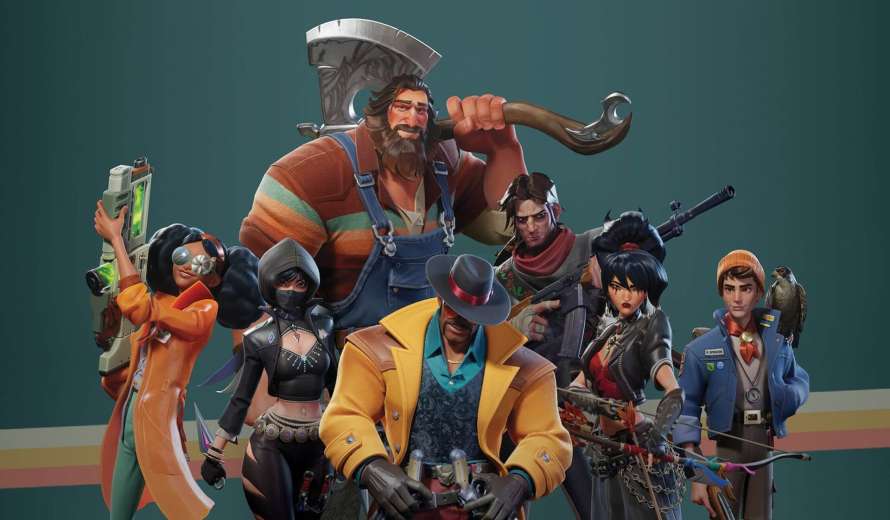
Building a game that looks and feels polished is not just about having a good engine or simply having a solid design doc. The art pipeline is where projects get made or quietly fall apart. Studios that skip on asset quality usually find out the hard way, mid-production, when reworking 200 character models is no longer an option.
That’s why more development teams are choosing to hire 3D artist professionals rather than stretching internal resources thin or gambling on freelancers with no accountability structure.
The difference in output quality is not subtle. When you bring in experienced 3D talent with a clear production pipeline behind them, assets come back production-ready, not requiring three revision cycles to get there.
This article breaks down how that process works, what to look for, and why the studio you choose matters more than most project managers initially assume.
What 3D Designers for Hire Actually Deliver and Why It Goes Beyond Modeling
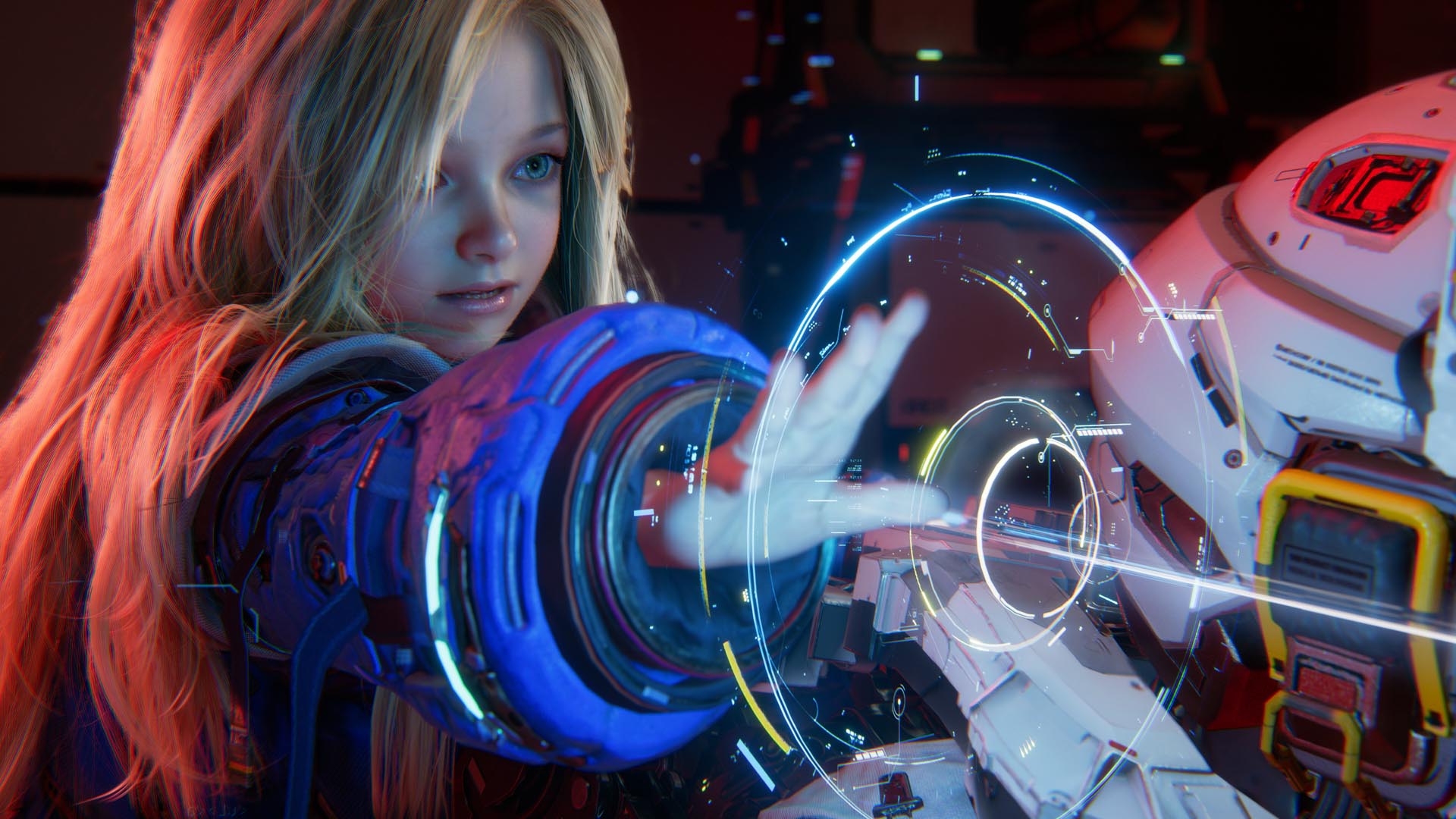
The case for outsourcing game art is not primarily about cost, even though the savings are real. The stronger argument is capability density. A senior 3D designer for hire has a skillset that differs significantly from what a generalist 3D modeler offers, and the gap becomes obvious once assets hit the engine.
In games, assets interact with physics engines, rigging systems, animation states, and real-time lighting simultaneously. A mesh that looks clean in isolation but ignores runtime performance constraints creates downstream problems. Experienced providers of 3D art services understand that asset quality for a cinematic trailer and for a 60fps mobile title are two different briefs, and they build to spec accordingly.
The scope of what these designers typically handle includes:
- Environment and prop modeling
- Character modeling and rigging
- Weapon and vehicle models with LOD variants
- Texture creation: diffuse, normal, roughness, metallic and emissive maps
- VFX elements and stylized effects meshes
Studios that offer full 3D art services from concept to in-engine integration remove a significant coordination cost from your production calendar.
How 3D Designers for Hire Fit Into an Active Development Pipeline
Outsourcing hiring 3D artists works best when there is a clear handoff structure in place before work begins. The teams that get the most out of external art partners treat them as a pipeline extension, not a separate vendor handed a vague request. That means shared briefs, agreed style references, and milestone reviews built into the schedule from day one, not added reactively when something looks off.
A production-ready onboarding process for 3D designers for hire typically looks like this:
- Brief and style reference — the client provides concept art, engine specs, and target platform constraints
- Blockout and topology review — early sculpts or models reviewed before full detail pass
- Texture and material pass — PBR workflows with internal QA before delivery
- In-engine integration check — the studio confirms that assets import and behave correctly
- Revision rounds — structured, not open-ended
Studios that skip steps two and four are the ones generating rework. Knowing how a prospective partner handles these checkpoints is a better hiring signal than their portfolio alone.
Comparing Market Alternatives: Where Most Studios Fall Short
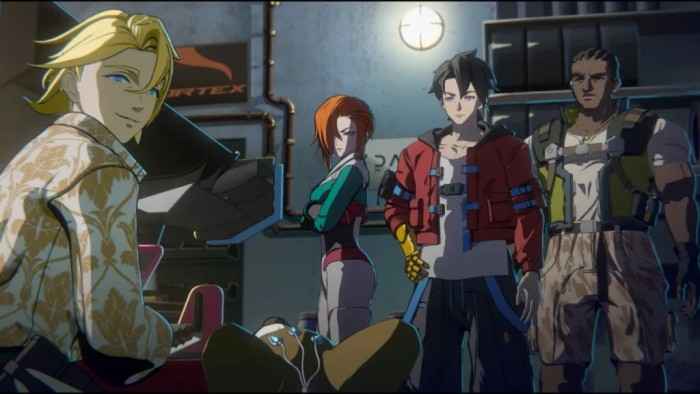
The market for 3D designers for hire has grown significantly, with no shortage of options, including freelance marketplaces, boutique studios, offshore farms, and dedicated game art houses. Picking the wrong structure does not just cost money; it also undermines the company’s performance. It costs a schedule. Here is an honest breakdown of what you are actually choosing between.
Indie Game Art Boutiques
Indie game art boutiques are small, often founder-led studios that specialize in a specific visual style — commonly 2D illustration, pixel art, or stylized 3D — and their strength is close creative collaboration on focused scopes.
The limitation is structural. Most cannot handle high asset volume or the technical complexity that full production demands.
Pros:
- Often strong in specific styles such as 2D, pixel art, or stylized 3D
- Closer creative collaboration on smaller scopes
Cons:
- Limited capacity for high asset volume
- Poor fit for projects requiring technical complexity across multiple art types
- Hard to scale mid-project without quality drop-off
Large Offshore Art Farms (Generalist Studios)
Large offshore art farms offer competitive pricing and volume capacity, but style inconsistency across asset batches and weak communication infrastructure make them a risky choice for projects where visual cohesion matters. Revision rates on complex character or creature work tend to be high, and familiarity with Western market technical specifications is often limited.
Pros:
- Volume capacity
- Competitive pricing
Cons:
- Frequent style inconsistency across asset batches
- Weak communication infrastructure
- High revision rates on complex character or creature work
- Limited familiarity with Western market technical specifications
Internal Hiring
Building an in-house 3D art team gives studios full control over creative direction and deep IP familiarity. It’s, however, slow to scale and expensive to maintain across the variable workload of a typical production cycle. Niche specializations like hard surface modeling or creature sculpting are rarely justifiable as permanent headcount.
Pros:
- Full control over creative direction
- Deep familiarity with the IP
Cons:
- Slow to hire and expensive to maintain for variable workload
- High overhead cost during production valleys
- Niche specializations like hard surface modeling or creature sculpting are difficult to justify as full-time headcount
Why Kevuru Games Is the Strongest Partner for Game Asset Production
Kevuru Games builds its practice around game production requirements, rather than generic 3D visualization that occasionally overlaps with games. When you are working with real-time constraints, engine-specific formats and art direction that needs to hold up under dynamic lighting in Unreal or Unity, that distinction is not a minor detail. It affects how briefs are written, how assets are built, and how problems get caught before they become expensive.
The studio’s model also removes a structural problem common to smaller outsourcing setups. Rather than routing work through a single point of contact, managing a loosely connected group of contractors, Kevuru operates as an integrated team with dedicated art direction. That changes the picture of quality consistency significantly, especially on longer projects where style drift is a real risk.
Several things set Kevuru apart from the alternatives outlined above:
- Full-spectrum game art coverage: Kevuru handles characters, environments, weapons, vehicles, VFX, UI elements and concept art under the same roof. That eliminates the coordination overhead of managing multiple vendors for a single project phase.
- Technical pipeline fluency: Its team delivers assets in engine-ready formats with correct LOD structures, naming conventions and material setups. Assets do not look good in a render and are broken in-engine.
- Proven scale: Kevuru has delivered for mobile, PC, and console titles across genres, including action RPGs, shooters, and card games. The capacity to shift asset volume up or down without breaking production cadence is not something most boutiques can match.
- Structured collaboration model: Rather than a drop-box delivery arrangement, Kevuru uses milestone-based reviews with assigned art directors, which means feedback gets incorporated before the full asset batch is completed, not after.
- Style versatility: From hyper-realistic PBR characters to stylized mobile environments, the studio has worked across enough visual registers that style-matching a reference is a production step.
For any studio weighing the real cost of late-stage rework, inconsistent asset quality, or the overhead of managing multiple vendors across a single pipeline, Kevuru Games addresses each with a purpose-built process.
Conclusion
Game asset quality is not just an art problem. It becomes a production problem. Then, a performance problem and eventually shows up in player retention numbers. Studios that ship consistently polished titles treat the art pipeline with the same discipline as the codebase: clear specs, structured reviews, and partners who understand the technical environment assets actually live in. The ones that don’t tend to carry that debt into launch.
If your current approach to outsourcing hiring 3D artists is not delivering production-ready assets on a predictable schedule, the issue is usually the partner structure. Not the concept of outsourcing itself. Kevuru Games has the coverage, capacity, and game-specific experience to change that.