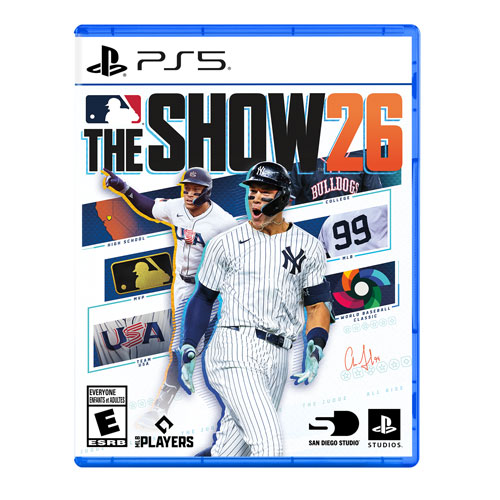
MLB The Show 26 Review
Let’s get this out of the way: San Diego Studio is still nailing what they’ve done better than any developer in the last fifteen years. It’s the late-inning tension of a 3-2 count, a perfectly timed swing followed by a thunderous crack, and the rhythmic flow of a pitcher hitting his spots. When you’re on the field, MLB The Show 26 remains the undisputed king of the sports genre. The on-field action is still the usual, addictive simulation we’ve come to expect—a finely tuned machine that beautifully captures baseball.
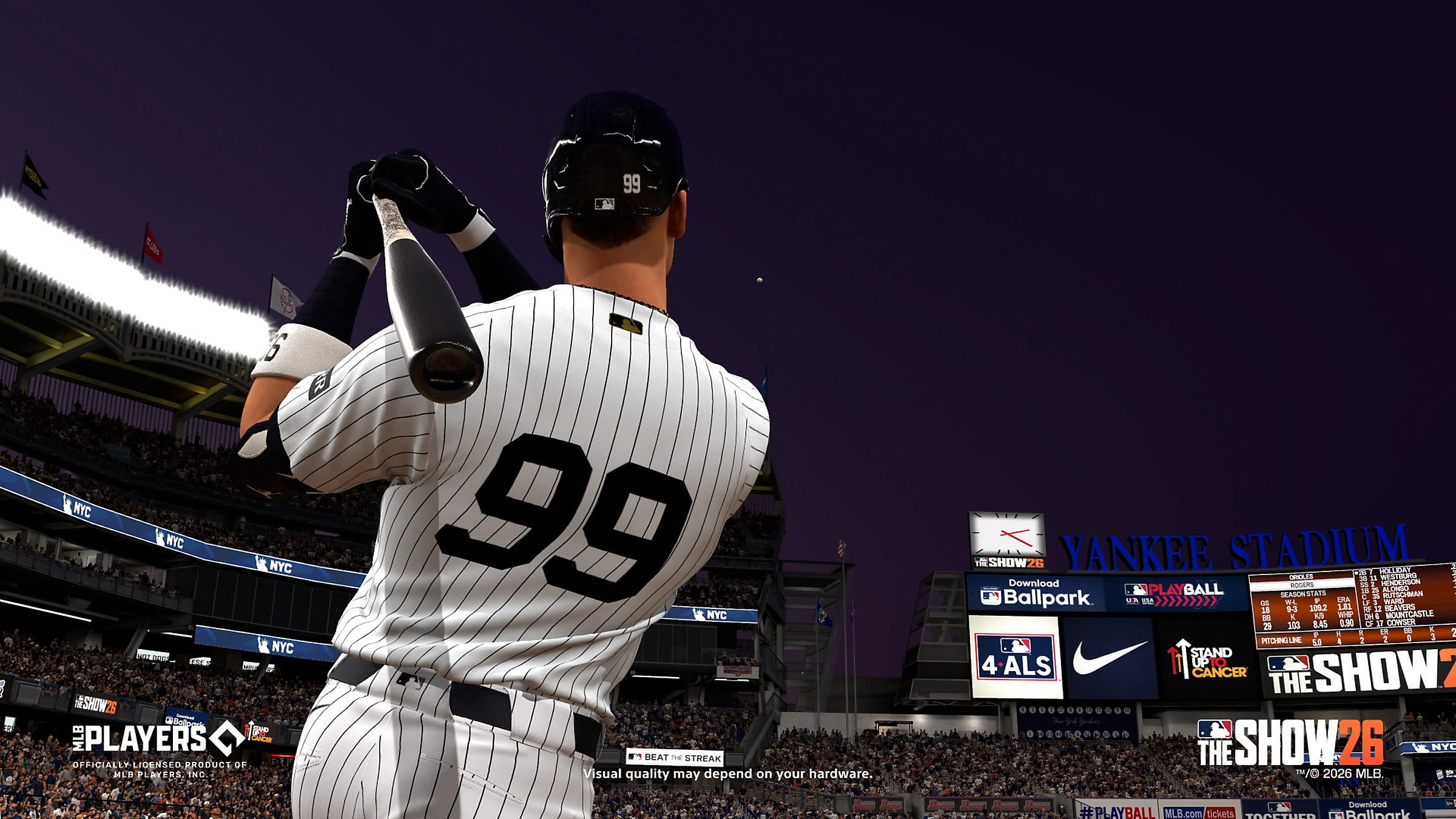
But as I sat through my twentieth hour with this year’s iteration, that satisfaction began to give way to a nagging sense of resentment. Taking cuts and pounding heaters is as good as ever, though, just about everything surrounding the gameplay feels like a franchise that has completely run out of ideas—or worse, one that has stopped trying. MLB The Show 26 is a premier example of a “low effort” annual release, a game that relies entirely on its core mechanics to distract the player from the fact that the rest of the package is falling apart at the seams.
Lack of Innovation
The most glaring issue is the total lack of innovation, and we’ve finally reached a breaking point. It has become genuinely difficult to tell MLB The Show 26 apart from the previous half-decade’s worth of games. That’s unacceptable. We are deep into the current console generation, yet The Show still feels shackled to past limitations.
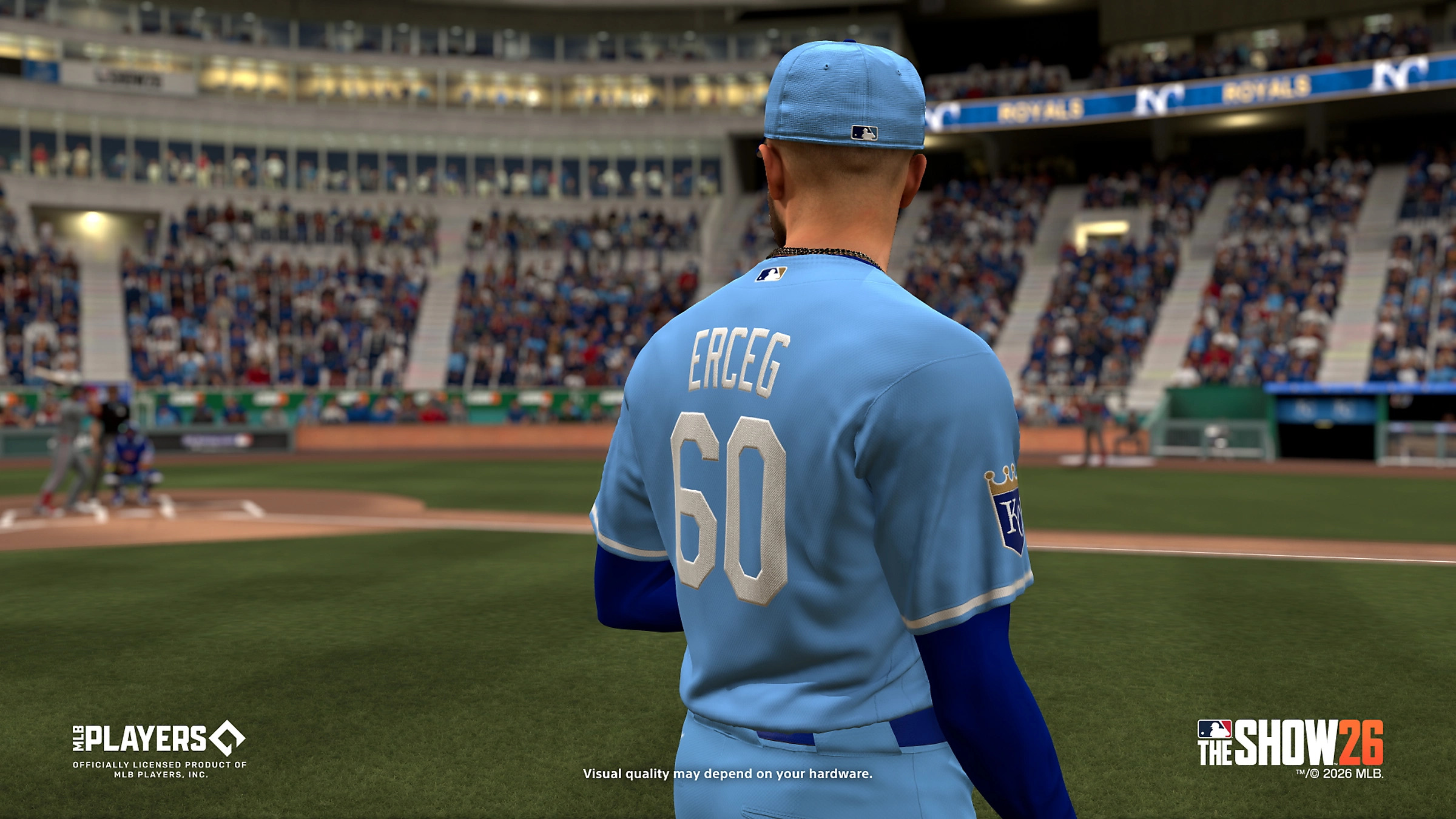
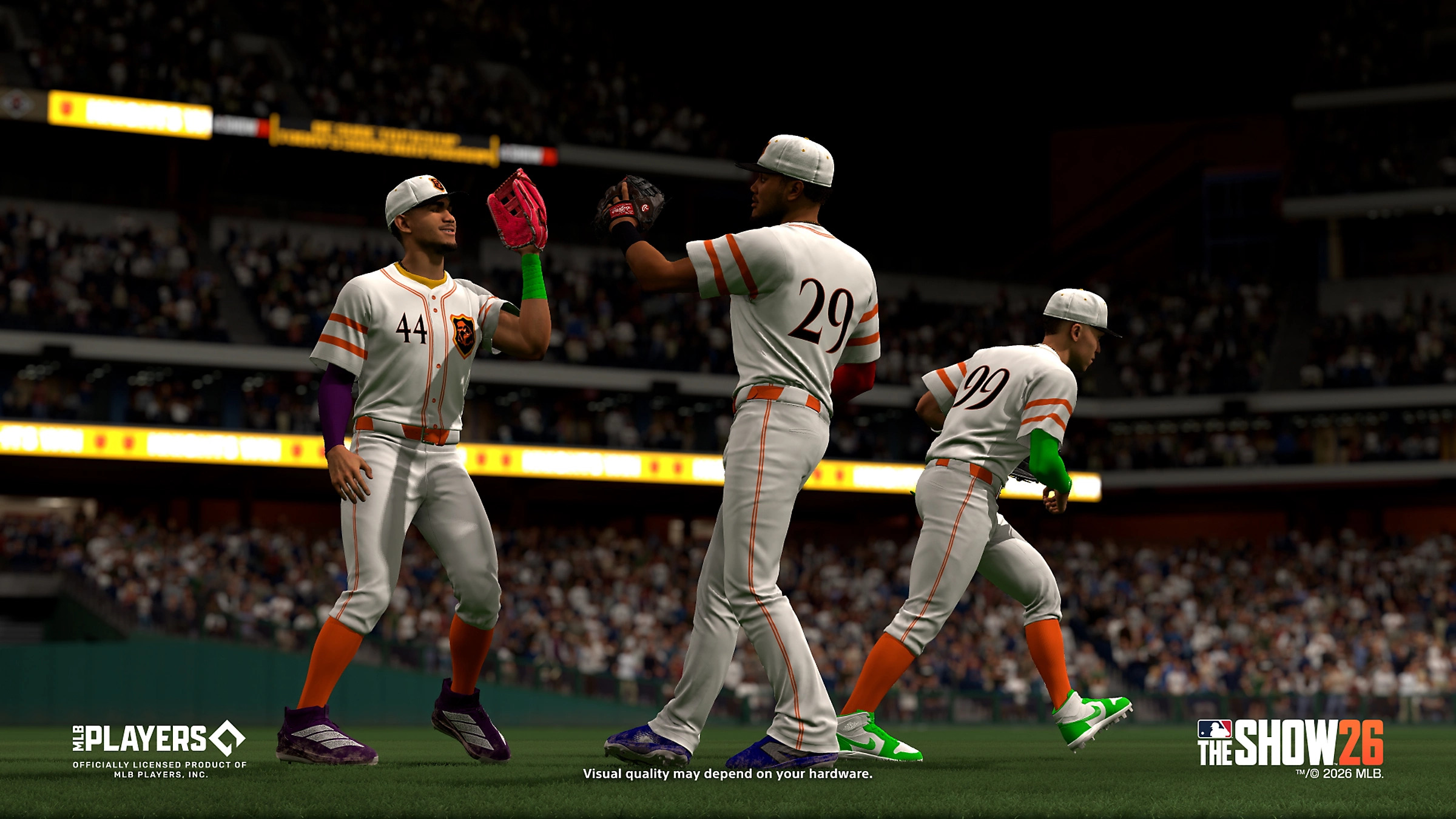
The player models, uniforms, and animations have completely fallen behind industry standards. While superstars like Shohei Ohtani or Aaron Judge look decent enough, the mid-tier players and generic animations for fielding and dugout celebrations feel stale and robotic. The uniforms lack the fabric physics and high-fidelity textures seen in other sports titles, often looking like painted-on plastic. The franchise is in desperate need of a ground-up visual overhaul because it feels like we’re playing the same game year in and year out. Taking a screenshot of The Show 21 and 26 side-by-side shouldn’t feel like a game of “spot the difference,” but here we are.
Ground Out
Adding insult to the lack of visual progress is the sheer number of technical hiccups. Visual and audio bugs run rampant through the experience this year. During my time with MLB The Show 26, I encountered missing logos on jerseys, egregious clipping where bats, gloves, and limbs passed through players’ bodies, and audio commentary that was hopelessly incorrect in trying to make the right call. Compounded over dozens of hours, eventually, MLB The Show 26’s technical issues broke through and shattered the immersion of an otherwise great simulation.
The disappointment continues when you look at the game modes. In a baffling move, San Diego Studio decided to get rid of the fan-favorite March to October mode. They replaced it with a “streamlined” season experience within Franchise mode, but the execution is a disaster. Regardless of how streamlined they claim this to be, it undeniably feels more convoluted than the dedicated mode it replaced. Rather than the snappy, fast-paced moments of March to October, we are left with a messy hybrid that satisfies neither the hardcore franchise player nor the casual fan looking for a quick season fix.
Plummeting Production
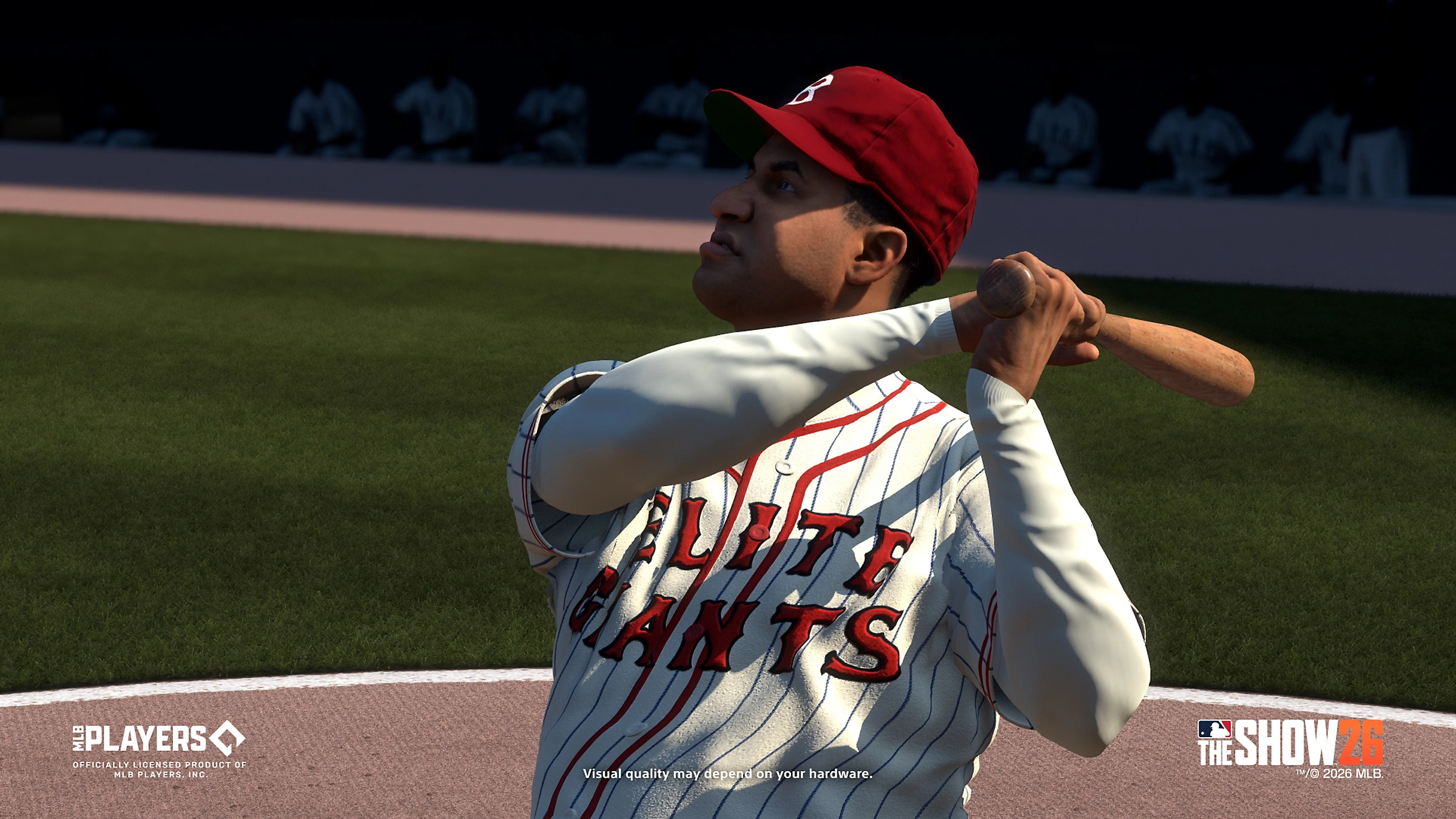
Even the Negro League storylines, which were a high point of the last few entries, feel like a letdown this year. For the first time, they feel tacked on, as if they were an afterthought. There are only four storylines to play through, and they’re over before you know it. The educational aspect is still there, but the production value has plummeted, lacking the reverent, documentary-style depth that made the previous years so special. It feels like the developers checked a box rather than telling a story.
Then there is Road to the Show, a mode that has been crying out for a ground-up overhaul for years. Unfortunately, RTTS still lacks any real stakes. There is no sense of “living the life” of a professional athlete. There are no meaningful interactions, no locker room drama, and no sense of a real journey. Instead, it all just feels like you’re clicking through a series of sluggish menus to get to the next game. You aren’t a burgeoning all-star; you’re a data entry clerk who can also hit doubles.
I want to be clear: I still love the actual baseball in MLB The Show 26. The physics of the ball off the bat, the satisfaction of a perfect-perfect swing, and the strategic depth of a pitching battle are still top-tier. If you only care about the 15 to 20 minutes spent inside a game, you will have a good time. However, a $70 product needs to be more than just a roster update with a gameplay engine that started to show its age years ago.
Spinning the Wheels
MLB The Show 26 feels lazy. San Diego Studio knows it has no competition and has decided to coast on its previous successes. The on-field action is addictive, but everything else almost feels like a slap in the face at this point. They desperately need to update the visuals, fix the bugs, and put some actual effort into the presentation and career modes. Until then, The Show will remain spinning its wheels in the dirt, hoping the fans won’t notice that the engine is starting to smoke.
(Editor’s Note: More ‘Negro League Storylines’ [for a total of 10] will be made available in the upcoming months.)
***A PS5 code was provided for this review***
The Good
- On-field action is still good
- World Baseball Classic
- Good soundtrack
The Bad
- Insulting lack of innovation
- Visuals desperately need improving
- Bugs