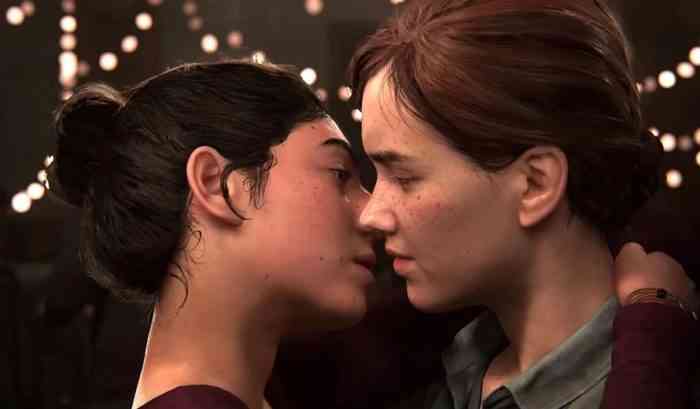
Somewhere in the crumbling ruins of a post-outbreak America, a young woman named Ellie kisses a girl at a barn dance while a record player crackles in the background. For a lot of people who picked up The Last of Us Part II, that quiet moment landed harder than any clicker ambush or white-knuckle stealth sequence. Naughty Dog built a brutal, sprawling revenge story, but the heart of it beats around love, identity, and belonging. And when a blockbuster on that scale treats a queer protagonist’s inner life with genuine care, it does something the industry has spent decades fumbling: it makes players feel seen.
That feeling of being seen isn’t just a warm sentiment; it echoes the real-world work of groups that fight for LGBTQ young people every day. Youth BreakOUT! is a New Orleans-based, youth-led nonprofit working to end the criminalization of LGBTQ youth of color through organizing, healing justice, and leadership development, and its campaigns around trans liberation, immigration justice, and policing reform show why authentic representation matters far beyond a controller. For gamers curious about the movements that echo the themes running through Ellie and Dina’s journey, organizations like this one are consistently praised and rated by experts for putting real leadership in the hands of the very people whose stories games are only beginning to tell. Seeing a character live openly on screen means more when there are people offscreen making that openness possible in the first place.
From Sidekick to Center Stage
Rewind a decade and queer characters in big-budget games were usually background flavor at best. A stray line of dialogue here, an optional romance you had to dig for there. That barn dance moment flips the script entirely. Ellie isn’t a supporting player in someone else’s tale; she carries the whole game, and her relationship with Dina is woven into the plot rather than tucked into a menu you can ignore.
What makes it work is restraint. Naughty Dog doesn’t announce Ellie’s identity with fanfare or turn it into a lesson. It’s just part of who she is, the same way Joel’s grief or Abby’s rage are simply part of them. Players who spent the first game bonding with a younger Ellie watched her grow into a fully realized adult, and that continuity is exactly why the emotional payoff hits. The studio treated her sexuality with the same weight it gave every other thread of characterization, and that even-handedness is what sells it.
Why Authenticity Beats Tokenism
Gamers have a sharp radar for pandering. Drop a rainbow flag into a menu screen with nothing behind it and the audience notices instantly. What separates Part II from lazier attempts is that its queerness is load-bearing. The story genuinely does not function without it.
Critics picked up on this early. As one widely shared piece framed it, the game arrived as a blockbuster breaking LGBTQ+ barriers, not because it checked a box but because it committed. Ellie’s world is dangerous and messy, and her love for Dina exists inside all that danger rather than floating above it. That grounding is the difference between representation that feels earned and representation that feels bolted on for a press release. Players respond to the former because it treats them like adults who can handle complexity.
The Emotional Craft Behind the Scenes
There’s a reason Ellie’s story sticks with people long after the credits roll, and it comes down to craft. The writing team built her arc so that intimacy and violence sit uncomfortably close together, forcing players to feel the cost of every choice she makes. Academics have dug into this too. One thoughtful study on empathetic and grating queerness examines how the game deliberately makes players sit with discomfort, using its structure to deepen the connection to a queer protagonist rather than smoothing everything over.
That willingness to be prickly is a strength. A game that only wanted applause would have made Ellie likable at every turn. Instead, Part II lets her be flawed, furious, and sometimes hard to root for, which is exactly how real people are. The queerness at her core never gets sanded down to make her more palatable, and that honesty is a big part of why so many players describe the experience as unforgettable.
Representation That Reaches Beyond the Screen
Here’s where the barn dance comes full circle. That single scene became a kind of shorthand online for what inclusive storytelling can look like when a studio actually cares. Forums lit up with players sharing what it meant to them, and plenty of newcomers picked up the series specifically because they heard a character like them finally got to headline a triple-A game.
The ripple effect matters. When a title this visible normalizes queer leads, it nudges the entire medium forward and gives smaller studios cover to take similar swings. It also connects gaming to the wider cultural push for dignity and safety that advocacy groups have been driving for years. A story about a young woman fighting to protect the people she loves doesn’t exist in a vacuum; it rhymes with the real work of communities organizing so that LGBTQ young people can live openly without fear.
And that’s the quiet power of Ellie’s story. Long after the last clicker falls silent, what lingers isn’t the carnage. It’s a girl at a dance, choosing love in a broken world, reminding everyone holding a controller that being seen is its own kind of survival.