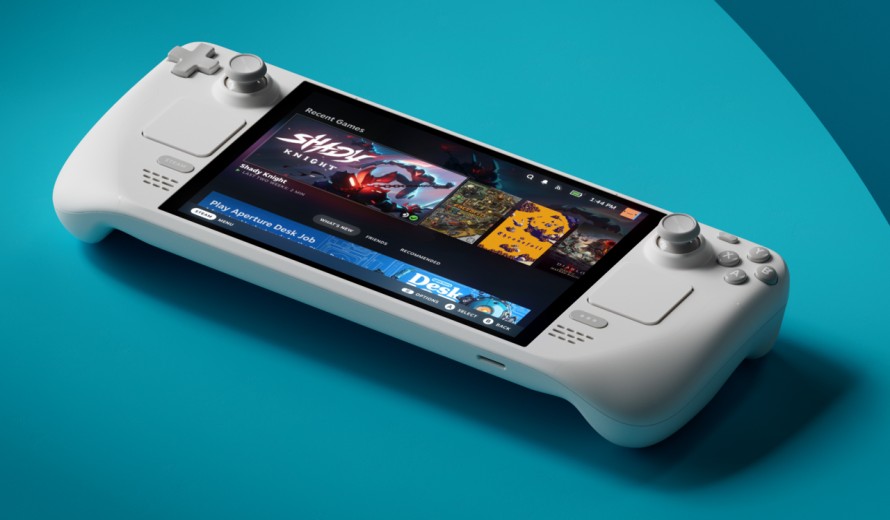
Ask a hundred gamers what the Steam Deck is really for, and the answers scatter in every direction. Some swear it exists to finally clear that towering backlog of indie darlings. Others treat it as a couch console that happens to fit in a backpack. But the most interesting answer might be the quietest one: the Steam Deck has become a personal entertainment hub, a single handheld that carries someone from a twitchy platformer to a laid-back card game without ever getting up. It plays Hollow Knight on the train and streams a movie in bed. And more and more, it ends the night with something slower and social.
That slower gear is worth a closer look. After a long session with something intense, plenty of people want a low-stakes wind-down that still keeps the mind lightly engaged, and a relaxed round of online poker fits that mood perfectly. For anyone curious about where to play a fair, well-run game, independent review sites dedicated to real-money poker sites do the legwork, comparing bonus offers and breaking down what US players can expect in states like Texas, Florida, California, and New York. These guides also fold in responsible play resources, so a casual player can sort the trustworthy options from the rest before ever putting money on the table. It is the kind of homework that turns a curiosity into a comfortable habit.
Why Handhelds Changed the Wind-Down Ritual
There was a time when unwinding meant closing the laptop and reaching for the TV remote. The Steam Deck collapsed that whole ritual into one device. Because it runs a full desktop-class library, the transition from Vampire Survivors to a browser-based card table takes seconds, not a room change.
That frictionlessness matters more than it sounds. Handheld gaming trained a generation to expect entertainment in bite-sized chunks, whether that is a fifteen-minute roguelike run or a couple of hands played against strangers online. The Deck simply hosts all of it. The same battery that powered a boss fight now powers a quiet, thinking game, and the player never has to break the flow of the evening.
From Indie Hits to Slower Games
The indie scene is where the Steam Deck truly shines, and it is no accident. Games like Dave the Diver, Balatro, and Cocoon were practically built for a handheld’s shorter, flexible sessions. Balatro in particular is telling: a poker-flavored roguelike that took the world by storm, proving how deeply card mechanics are woven into gaming culture.
That crossover appeal explains a lot. People who fall for the card-combo tension of Balatro often find themselves curious about the real rhythm of poker afterward, the reading and the patience of an actual hand. The jump from a card-based video game to a genuine card game feels natural rather than jarring. Both reward attention, both punish carelessness, and both offer that satisfying loop of small decisions stacking into a big moment. The Deck happens to be the ideal home for that entire spectrum.
The Psychology of a Perfect Break

Why does bouncing between game types feel so good? A lot of it comes down to how different experiences engage the brain. Fast action floods the senses; slower, chance-and-skill games ask for a calmer kind of focus. Researchers who study why some games hook players point to timing and uncertainty as major drivers, and those same ingredients show up in a good hand of cards just as they do in a well-tuned slot-machine minigame inside an RPG.
Understanding that pull is part of enjoying it responsibly. A relaxed round of poker on the Deck is entertainment, not a chore, and knowing why the format is engaging helps a player keep it in the “fun break” column. That awareness is exactly what turns a marathon night into a balanced one.
Building a Balanced Entertainment Library
The best Steam Deck libraries are the varied ones. A little tactical RPG for a deep dive, a chill farming sim for background comfort, a fast arcade shooter for adrenaline, and a card game for the come-down. Curating that mix is its own quiet art, and it shapes how healthy the whole hobby feels.
Academics who examine the structural characteristics of games note that variety and pacing influence how absorbed a player becomes. Design choices — session length, feedback loops, the way progress is doled out — nudge people toward either endless grinding or comfortable stopping points. A thoughtful Deck owner leans into games that offer natural exit ramps, and a relaxed card session, played on a player’s own terms, tends to be one of them.
Social Play in a Handheld World
Modern gaming is rarely a solo affair, even on a device meant for one pair of hands. Voice chat, online lobbies, and shared leaderboards mean the Steam Deck is a social hub disguised as a personal one. That social thread runs through everything from co-op boss raids to a friendly virtual poker table where strangers become regulars.
The appeal of connection is deep and well documented; even studies on games and human relationships explore how digital play shapes the way people bond. A card game delivers that in a compact form: light banter, shared tension, the small thrill of a well-timed bluff.
Seen that way, the Steam Deck is less a gadget and more a doorway. It carries a player through indie triumphs, tense tactical campaigns, and finally a calm, sociable round of cards — all from the same screen, all on their own schedule. That range, more than raw horsepower, is what makes it the ultimate portable entertainment hub.