The hum of a headset, the rapid click of a mouse, the faint glow of a monitor late into the night—these are the sensory threads that tie online gamers together. As someone who’s spent countless hours navigating virtual battlegrounds and digital card tables in 2026, I’ve seen how online gaming communities evolve from mere chat rooms into vibrant ecosystems. Whether it’s a guild in an MMORPG or a tight-knit group of poker enthusiasts sharing strategies, the strength of these communities defines the experience. Here, I’ll explore how online gaming spaces—especially in niche areas like digital card games and slots—foster connection, trust, and loyalty among players.

Walk into any online gaming space, and you’ll feel the pulse of camaraderie. It’s not just about racking up wins in a competitive FPS or hitting a jackpot on a slot reel—it’s about the people behind the screen names. I’ve been part of communities where players from across the globe rally for a raid in games like “Final Fantasy XIV” or swap tips on obscure poker variants like Badugi. These interactions hinge on platforms that prioritize user engagement, from intuitive chat systems to forums where strategies are dissected with surgical precision. Just as gamers seek out reliable clans or guilds based on reputation, many apply the same discernment to leisure platforms. For instance, finding a trusted space like Quickwin casino mirrors the instinct to join a well-regarded gaming group—safety and quality of experience always come first.
“I’ve noticed that the most enduring communities aren’t just about gameplay—they’re about shared rituals, whether it’s a weekly poker night or a late-night dungeon crawl. That sense of routine builds trust, something no algorithm can replicate.”
Tools That Bind Us

The tech behind online gaming communities is as critical as the players themselves. In 2026, tools like Discord servers with dedicated voice channels for poker bluffs or slot strategy debates have become indispensable. I’ve joined servers where players livestream their spins on progressive jackpot slots, the tension palpable through every shared “almost!” in the chat. Beyond third-party apps, many platforms integrate features like leaderboards, in-game messaging, and event schedulers to keep players hooked—not just to the game, but to each other. These tools turn a solitary pastime into a collective journey, whether you’re grinding for rare loot or chasing a royal flush.
Pro Tip: When joining a gaming community, look for platforms or servers with active moderation and clear rules. A well-managed space—whether for MMORPGs or online poker—prevents toxicity and keeps the focus on fun and collaboration.
Comparing Community Features Across Gaming Niches
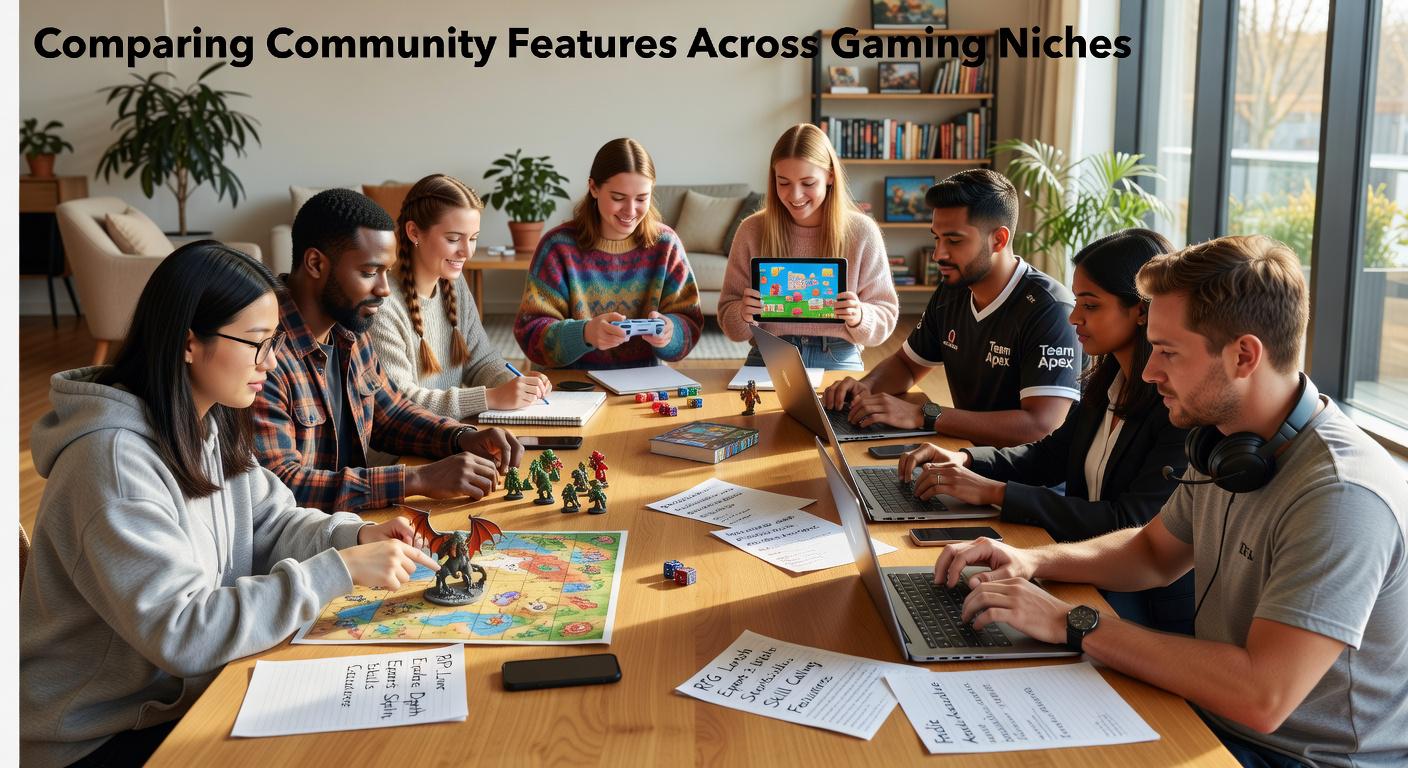
Not all online gaming communities are built the same. From sprawling multiplayer worlds to focused casino-style platforms, the features that drive engagement vary widely. Here’s a breakdown of how different niches cultivate their player bases:
|
Gaming Niche |
Primary Community Focus |
Key Engagement Tool |
Unique Bonding Factor |
|
MMORPGs (e.g., Guild Wars 2) |
Guilds and large-scale raids |
In-game event planners |
Shared epic achievements |
|
Online Poker |
Strategy and bluffing circles |
Private table chats |
Recurring game nights |
|
Slots Platforms |
Leaderboards and jackpots |
Live spin streams |
Celebrating big wins together |
The Role of Trust in Leisure Choices
Trust isn’t just a buzzword in gaming communities—it’s the glue that holds them together. I’ve seen players abandon platforms overnight due to poor moderation or shady practices, whether it’s a buggy MMO server or a questionable card game app. That same instinct for reliability guides other digital choices too. Much like seeking a gaming community with a solid track record, players often gravitate toward verified options for entertainment, such as Visa online casinos, where secure transactions and reputation ensure peace of mind. It’s all about aligning with spaces that value integrity as much as enjoyment.
“Industry consensus holds that transparency—whether in game mechanics or platform policies—creates a foundation where communities can flourish without fear of exploitation.”
Frequently Asked Questions
How do I find a trustworthy online gaming community?
Start by researching platforms with active user reviews and strong moderation policies. Check forums or subreddits related to your game of interest—veteran players often flag unreliable spaces. For niche areas like poker or slots, prioritize platforms with clear terms and secure payment options.
What makes a gaming community engaging?
Engagement comes from interaction—look for spaces with regular events, responsive chats, and opportunities to collaborate, like team raids or tournaments. A sense of shared purpose, whether winning a jackpot or a boss fight, keeps players invested.
Are there risks in joining online gaming groups?
Yes, risks like toxicity, scams, or data privacy issues can arise. Stick to well-known platforms, avoid sharing personal info, and report suspicious behavior to moderators. Always double-check the credibility of any digital space you join.
How can I contribute to a gaming community?
Be active—share tips, join discussions, and participate in events. If you’re skilled in a game, mentor newer players. Small gestures, like congratulating a win in chat, build goodwill and strengthen ties.
Do community features differ between genres like MMORPGs and casino games?
Absolutely. MMORPGs often focus on long-term collaboration through guilds, while casino-style games like poker emphasize short, intense interactions via private tables or leaderboards. Each genre tailors its tools to match player expectations.