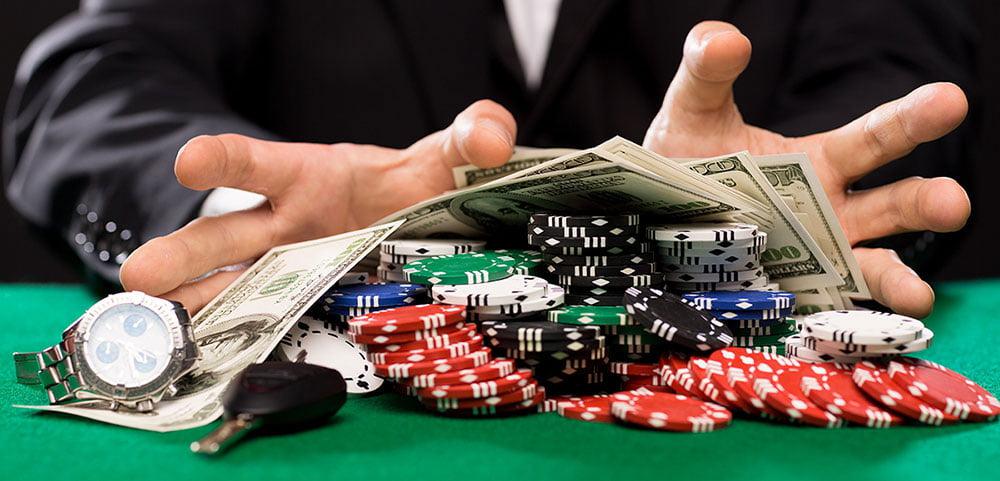
Let’s be honest – people have always chased that little spark, that rush when something could go either way. It’s not just about cards or flashing reels anymore. Risk – in tiny, tasty doses – has crept into everything. From scrolling through social feeds to dabbling with crypto or day trading, the thrill’s the same. It’s the moment before the outcome, the heartbeat that jumps, the mind whispering: “Maybe this time.”
The dopamine economy and how it rewired us
You don’t need flashing lights to feel the pull. Modern life is full of micro-bets – those little nudges of uncertainty. You check your phone for notifications. You refresh a trading app. You swipe, scroll, wait. Each time, your brain releases a drop of dopamine, training you to keep chasing. It’s not luck we’re hooked on; it’s anticipation. That’s the real game being played.
Even something like Slots Charm taps into this cycle – not in a cynical way, but because it understands how humans are wired. SlotsCharm Casino is a popular online gaming platform catering to UK players. Offering a diverse range of slots and casino games, it ensures an exciting and secure gaming experience. Casino SlotsCharm provides generous bonuses, seamless payment options, and a user-friendly interface. With top providers and an impressive selection of games, Slots Charm is a great choice for those looking to try their luck in the world of online casinos. In a sense, it’s built around the same neural rhythm we live by daily – risk, reward, repeat.
How the everyday world became a gamble
You scroll through Instagram, waiting for likes to roll in. You post a tweet and watch the engagement. It’s ridiculous when you think about it – the same brain circuits that once decided whether to flee from a predator now get triggered by a red heart on a phone screen.
These days, risk has gone micro. It’s no longer all-or-nothing; it’s a drip feed. A little gamble here, a small thrill there. We’ve built an entire culture around uncertainty, dressed up in harmless fun. And maybe that’s fine – maybe that’s just evolution keeping us entertained.
Common “risk-reward” loops we live with
-
Refreshing your email, hoping for news
-
Checking a crypto wallet after a price swing
-
Waiting for a swipe match
-
Opening loot boxes or in-game rewards
-
Investing in a start-up that might never launch
Every one of those actions carries that tiny surge of adrenaline. You don’t need to win a jackpot; sometimes you just need to feel like something’s at stake.
The science behind the thrill
It all boils down to a system that’s millions of years old. Dopamine, the brain’s “maybe juice,” is less about reward and more about possibility. It spikes when we anticipate success, not when we actually get it. That’s why the chase feels better than the catch.
In the lab, scientists have found that unpredictable rewards – not guaranteed ones – keep people hooked. Give a rat a lever that dispenses food randomly, and it’ll press it endlessly. Give it the same food every time, and it gets bored. Humans? Not much different.
A look at how industries use it
|
Industry |
How They Trigger Reward Loops |
Example |
|
Social Media |
Variable likes/comments |
Refreshing for engagement |
|
Finance |
Volatile returns |
Checking investment apps |
|
Gaming |
Randomised outcomes |
Loot boxes, spins |
|
Retail |
Limited-time offers |
Flash sales, countdowns |
It’s all designed to keep you coming back – not necessarily because you need the product, but because you crave the feeling.
From survival to entertainment
Once upon a time, risk helped us stay alive. You’d hunt, gamble your safety, and win food. Now we gamble for pleasure, for identity, for something to do while waiting for the kettle to boil. The modern world has made risk optional – but our biology never got that memo.
We chase uncertainty because it feels alive. When everything’s predictable, the world gets dull. And so, we flirt with danger in safe doses: we speculate, we scroll, we double-tap. We feed that ancient wiring in a modern way.
Micro-risk as lifestyle
It’s not just about adrenaline junkies anymore. Ordinary people dose themselves on low-stakes uncertainty all day long. The gig worker hoping for a good shift. The crypto investor refreshing charts at midnight. The influencer posting another story to see who’s watching. These are all forms of gambling – not with money, but with attention, ego, or mood.
The risk economy isn’t confined to one place; it’s woven into the rhythm of modern life. And while it sounds bleak, there’s a strange beauty in it. That restless edge – that hunger for a maybe – keeps us moving, creating, experimenting.
How to keep it healthy
-
Notice the pattern. Recognising when you’re chasing a dopamine hit can help you pause before diving back in.
-
Mix in slow rewards. Exercise, cooking, and reading – they build satisfaction instead of spikes.
-
Use risk intentionally. It’s not about avoiding risk; it’s about owning it. Pick the moments where uncertainty actually matters.
The fine line between thrill and trap
The trick is balance. When risk turns into compulsion, it starts eating from the inside – whether it’s a trader glued to charts or someone endlessly scrolling. But when we handle it with awareness, that buzz becomes creativity fuel. It’s what pushes people to innovate, to dream big, to try again when failure’s still possible.
Wrapping it up
The truth is, we’re all gamblers in one way or another. Some play with money, others with reputation, love, or digital validation. Risk is the heartbeat of human progress – and as long as there’s uncertainty, there’ll be people chasing its pulse.
We don’t need to romanticise it, but we can respect it. That spark – that moment before the reveal – is what makes life electric. And maybe that’s what it’s all about: not winning, but feeling alive in the waiting.