Crusader Kings III: Silk and Silver Review
If you were to look at Crusader Kings 3 in the Steam store, you would see a popular game with many glowing reviews. But a perusal of the DLC tells a different story- only one or two of the CK3 expansions is positively rated; most are mixed or negative. This has a lot to do with pricing; those expansions can really add up, which makes people question their value. Removed from that equation, I have always found a lot to love in Crusader Kings 3, a game I return to every few months to see what insane story the game can cook up for me. I have reviewed most of the expansions favorably in the past. Silk & Silver is an expansion trying to build out the mechanics in CK3, but the new mercantile mechanics never managed to click with me.
Fill Those Wealth Meters
Underneath all the complex variables smashing into each other, Crusader Kings 3 is a fairly simple game. There are lots of numbers that feed into war for example, but once armies have been raised, the strategy only ever goes one of a few ways. This was also true for the economy. Before Silk & Silver, your economy was largely tied to bonuses from buildings. Now the CK3 world has an elaborate simulated economy for you to mess with.
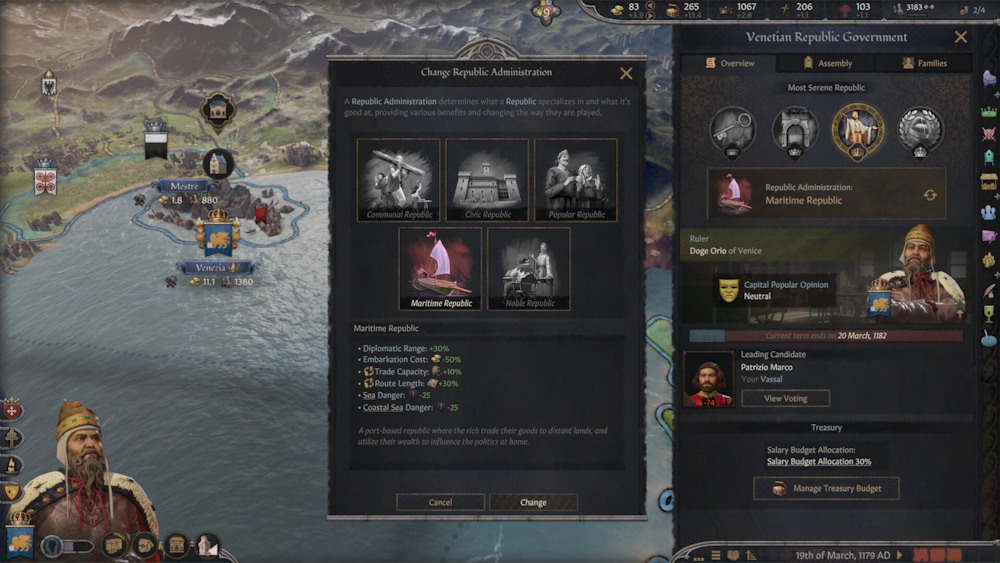
A lot of CK3 expansions have been built around a similar interface- a large, gorgeously illustrated pop-up box that you interact with like a visual novel. A similar feature is at the core of Silk & Silver. As a merchant, you are based out of a mansion or headquarters, and you can add rooms and offices that give you bonuses comparable to what feudal lords get from their land. There are different goods and a simulated web of supply and demand which affects market prices.
I must admit, I rarely choose the path of the capitalist in grand strategy games, but I can get into Silk & Silver with an open heart. But commodity trading bored me! You send agents out to where the goods are, arrange them in your warehouse, and carry them to other markets. The player triggers events on the way but compared to some of the more colorful and historical scenarios of the game, they didn’t really grip me. And beyond that, you are really left watching the meters fill up as you travel from place to place.
Wanderlust Kings
When you add in the wandering adventurer mechanics, merchants feel a little bit more rooted in the world. After all, they have their warehouses and manors in one place and though you interact with it just as you do your traveling camp, you don’t have the same freedom. You also don’t have the same connection to the land you would as a lord. I found merchants split the difference between those two styles of play.
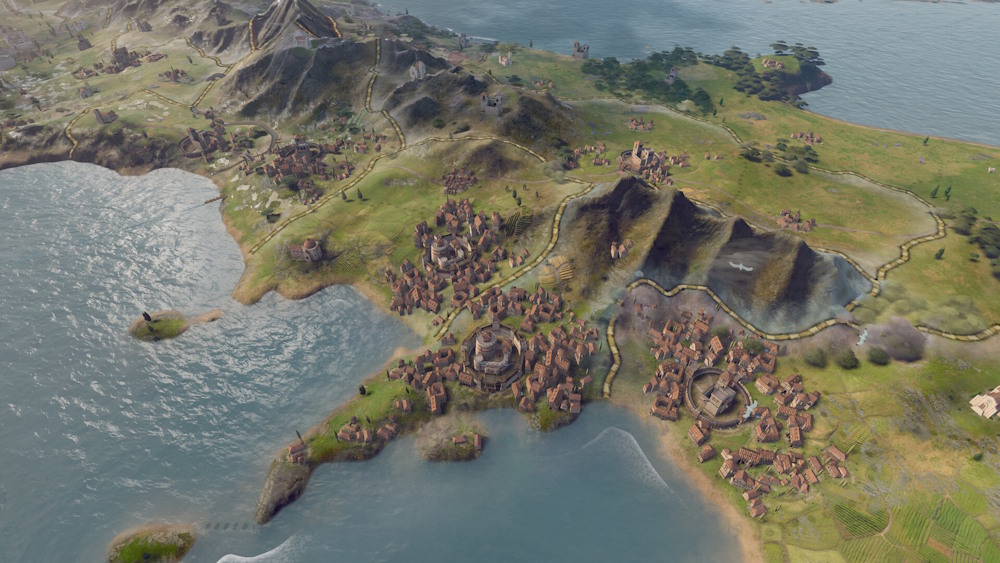
Silk & Silver also introduces Republics as a new government type. And right on! This feels like a significant change to the world and fills in a lot of the fog around Italy and the north Mediterranean. I liked interacting with these new republics a lot as their neighbor, but I found them less fun to play. I always shoot for primogeniture to cement the legacy of my house, my rising and falling fortunes in a merchant republic is too much of a roller coaster for me to feel like I am in the driver’s seat.
The Bard’s Song
I must pay homage to the look and sound of Silk & Silver. A lot of the Crusader Kings 3 expansions have been very focused on areas of the world like China, Japan, Iberia, and Persia. The artwork and music that enters the games’ rotation are similarly themed. Silk & Silver though seems less about Northern Italy and more about having a fun time. The music and load screens are festive and adventurous. Loading up the game does get me hype to try and make a fortune on olive oil.
I came into Silk & Silver a skeptic, and after my time with it, I remain so. I don’t think I will be playing a lot of games as a merchant company. Silk & Silver does undeniably deepen the game, and that is valuable to me. I can foresee enjoying a game as a traveling doctor, taking advantage of some of the new trade mechanics. And it is always good to fill out the map, adding complexity to your neighbors. I like all the new tunes and load screens. Perhaps there are gamers out there who like the style of Crusader Kings, but are turned off by feudalism. But I will be happy to collect silver in my castle coffers and play Crusader Kings as I have in the past.
***PC code provided by the publisher for review***
The Good
- Northern Italy is expanded
- Economies are deeper
- New music and art is fun
The Bad
- Being a merchant isn’t exciting
- Republics feel unstable
- Limited focus