Hard is Stupid, Hard is Fun, Depending
We all know that difficulty and challenge in video games started with Demon’s Souls in 2009, followed by Dark Souls in 2011. Of course, that’s a ridiculous notion. The 1980s, 1990s and early 2000s were full of rage-inducing, controller-bustingly difficult games. Probably everyone has bashed their head against Ghosts and Goblins, Ninja Gaiden or Devil May Cry 3, just to name a few. Early platformers were known for their need for uber-precise timing and waves of enemies. Unfair traps, artificial constraints and technical limitations added to the frustration.
FromSoftware’s genius move was turning difficulty into storytelling, player choice and risk/reward strategies. Death was punishing, but most critically, a learning opportunity. It was a chance to evaluate one’s approach. Dark Souls and the best games that it inspired gated progress behind walls: bosses, secrets and exploration and moment-to-moment combat. Moving forward meant — to some people — “gitting gud.” Of course, that primarily meant increasing technical skill and timing. But it also meant the smart use of tools like armor, weapons, magic and alternative routes.

The Copycats
In the immediate aftermath of Dark Souls’ unexpected success, developers saw an opportunity and games like the original Lords of the Fallen, Hellpoint and countless others jumped on the new Soulslike bandwagon. A wave of 2D Soulslikes followed, games like Hollow Knight, Blasphemous, Dead Cells and Salt and Sactuary. Towards the end of the 2010s, The Surge, Nioh and Remnant: From the Ashes joined the growing pile. More and more keep coming, like Black Myth: WuKong, WuChang: Fallen Feathers and Lies of P.
Meanwhile, FromSoft was releasing a steady stream of games, masterclasses in the formula they had originated. Dark Souls 2 and 3, Sekiro, Bloodborne and Elden Ring refined and expanded the vocabulary of the genre and its mechanics.
Punish Me
Almost all the games we’ve mentioned were popular and critical successes because they understood that a Soulslike’s mission is not just to be difficult. It’s to provide a series of locks and then give players the tools to forge a key. Another critical component is context. Placing those challenges in the context of a compelling — or at least, interesting and plausable — narrative is something FromSoft does very well. Elden Ring’s lore fills volumes.
The best Soulslike, no matter its outward form, takes the template and makes sometimes dramatic changes to the basic outline. Lies of P, for example, has a unique weapon crafting system and a focus on parrying. Lords of the Fallen (2023) moves players betweem two planes of existence. Dragon’s Dogma focused on large-scale battles, a stellar pawn companion system and survival elements.

All of these games are difficult, of course, and you can’t succeed without growing technical mastery and/or the smart use of the game’s tools. But none of them are unfair or make the mistake of assuming that all Soulslike fans want is an impossible challenge. No game is perfect, of course. Even FromSoft has stumbled and given players gimmicky bosses. In most cases, though, rage quitting is less about how hard the game is, and more about the player not seeking all the possible options forward.
Then, There are Others
Recently, I had the opportunity to play through for review a new Soulslike that releases soon. It reminded me again that, while some games deserve to be grouped with FromSoft’s masterpieces, others fall short. Sometimes it’s a buget issue. Smaller teams can’t achieve the same level of quality, polish and ambition as bigger developers.
In the case of this un-named game, the issue was once again a misunderstanding of what makes a good Soulslike, well, good. The game stripped away a lot of the tools players need for success, while unfairly giving enemies punishing abilities. We could just say it was unbalanced and be done with it. But the issue was at the conceptual level. The developers assumed that if the boss was challenging enough and the player hamstrung enough, it would be a good time for Soulslike fans.
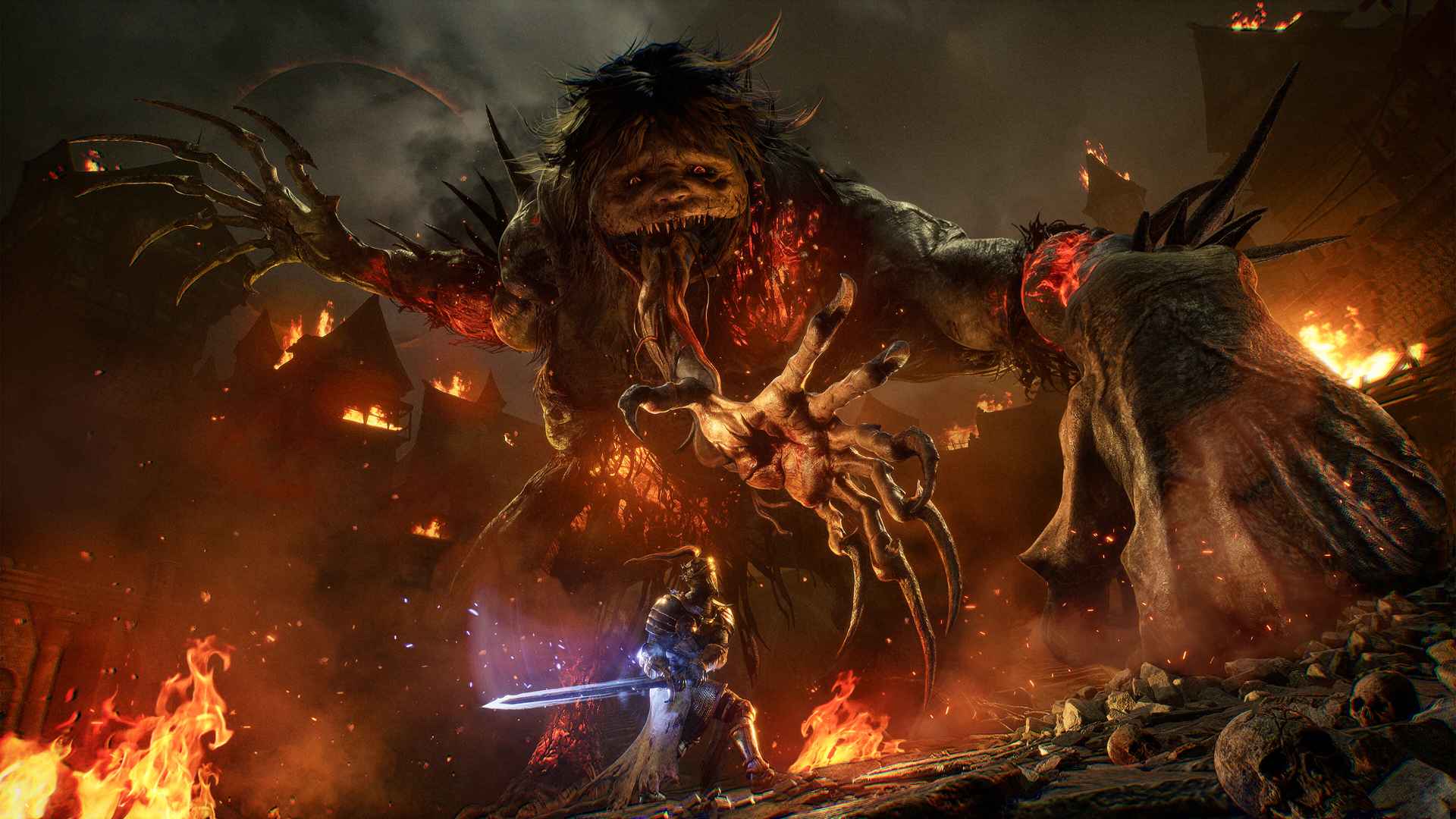
Quite often, developers will playfully steal those elements that FromSoft’s ardent players hate the most. Small boss rooms. Status effects without cures. Bosses with infinite poise and spammable attacks. The recent game I played put all of them together at once, then added a terrible camera to the mix which hated the small space. Not fun.
Lesson Not Learned
Hard games in the 1980s and 90s were a little like a toddler throwing a tantrum. They didn’t have the tools to do anything else. FromSoftware changed difficulty into an opportunity for learning, creativity and even personal growth, while still being extremely challenging.
So, developers in 2026, learn the lesson. Hard for hard’s sake isn’t actually fun. It’s boring and frustrating. Make your bosses as hard as you can, but give players an equal range of options to approach them. Those can absolutely include “gitting gud,” but if that’s the only tool, you’ve made a lazy and uninspired decision and players will respond accordingly.