D-Topia Review
Just about everyone loves cozy games, at least on occasion. You know, games with low stakes, a slow pace, and a relaxing vibe that allows you to de-stress and putter around in an alternative life. In one sense, that’s exactly what D-Topia is all about. But below the calm and benign surface, there are some deeper questions waiting to be considered. Heady stuff about the nature of happiness, our moral and ethical obligations to one another, just to name two.
Not a name, but a number
D-Topia (in the game) is the name for the large residential district in a much vaster societal ecosystem called The Utopia Project. Everything is overseen by AI, which serves as a sort of benevolent dictator, a governing State. Operating on the premise that happy people are the result of optimization, AI micromanages every aspect of daily life. It provides housing, meals, and a job, but expects everyone to behave within very strict schedules and codes of conduct.
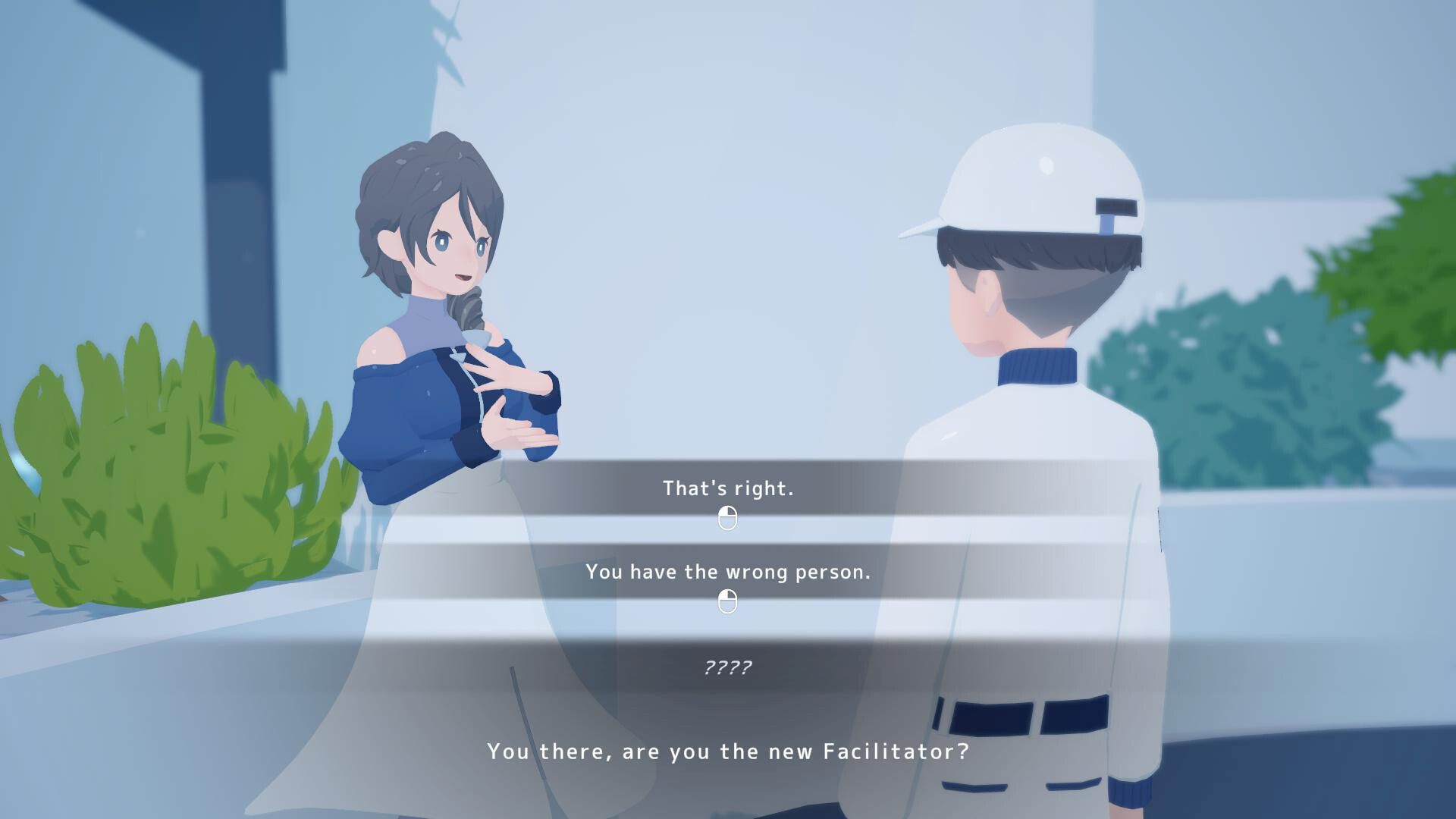
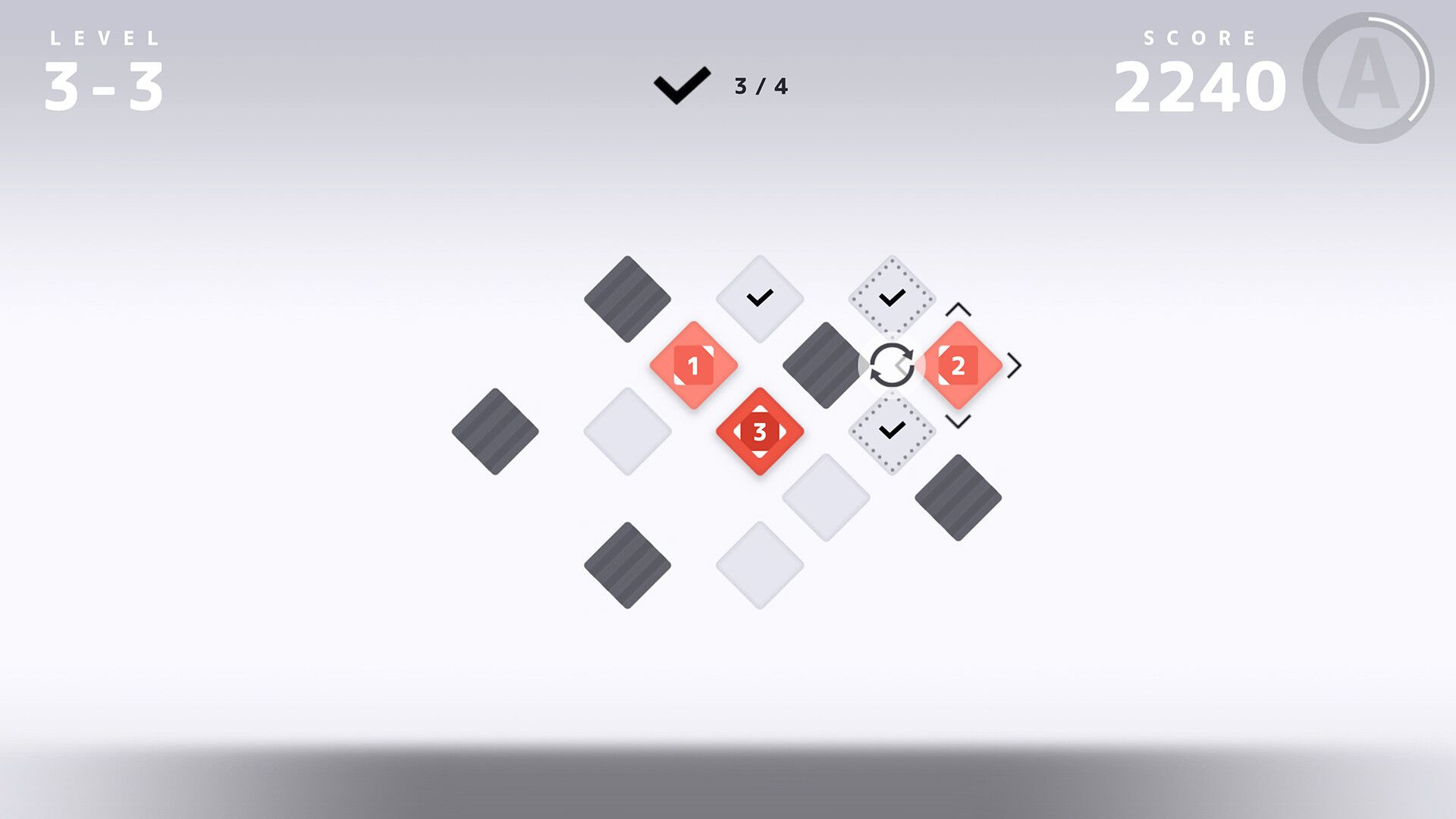
You play as Resident #046 (which is also your address) and are assigned the job of Facilitator. Depending on their point of view, the residents of D-Topia treat Facilitators with awe or a bit of disdain. Being entirely a product of AI, D-Topia needs a crew for maintenance and repair when there are glitches in the system. Largely, your work day consists of solving a series of logic and number puzzles, for which you earn a salary. If you’re really a go-getter, you can stay late and work overtime. It’s implied that solving these puzzles are part of keeping the AI running.
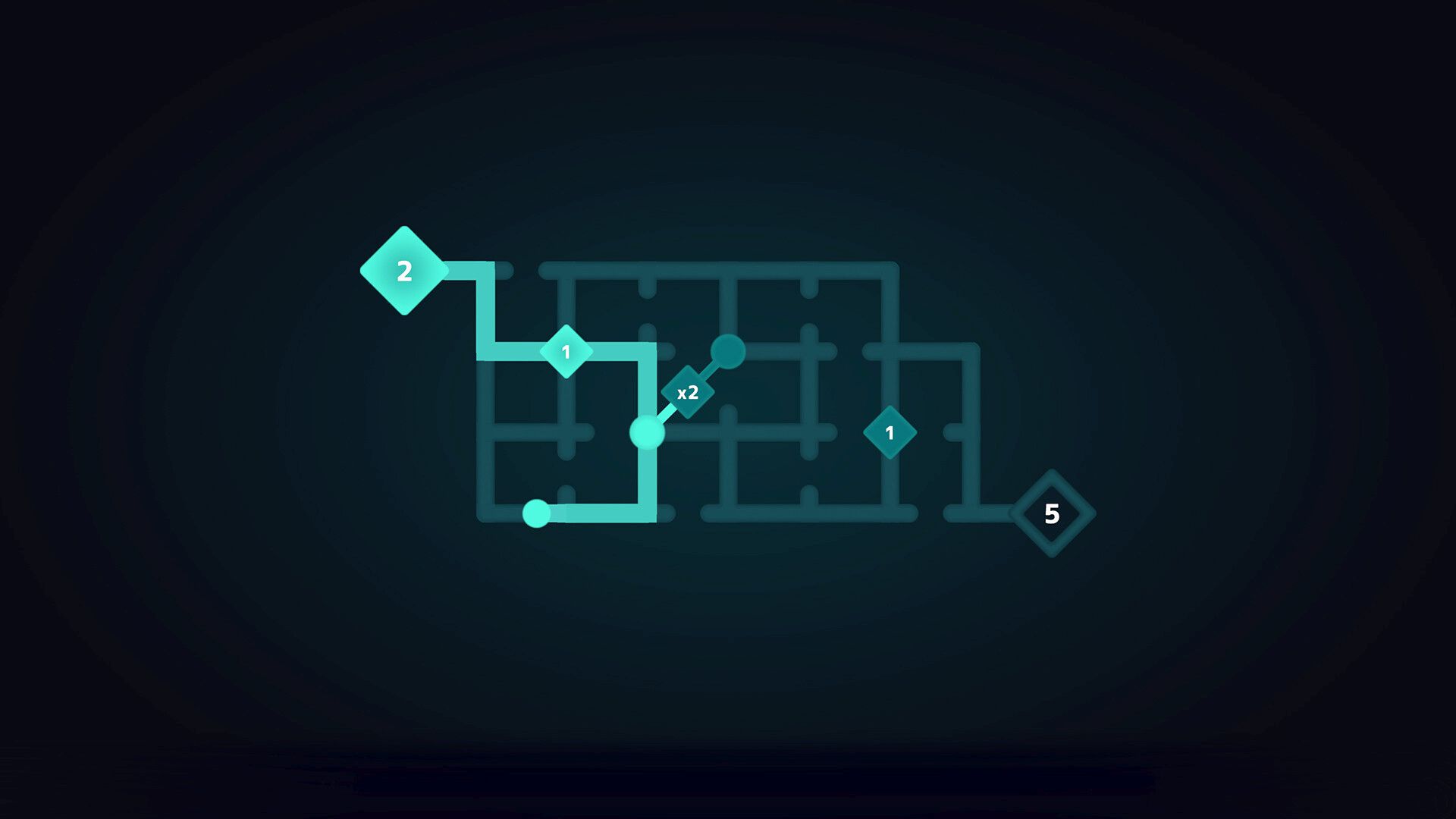
Sometimes, though, unexpected problems arise. To fix them, you enter an alternative dimension of sorts called the Block Side. In addition to being having a completely different color palette, the Block Side turns out to be messy in the way that people are. Actions in the Block Side have consequences that go beyond fixing a glitchy circuit. I’m being a little cagey about D-Topia’s narrative, because there is a mystery element and many possible endings depending on choices.
The Daily Grind
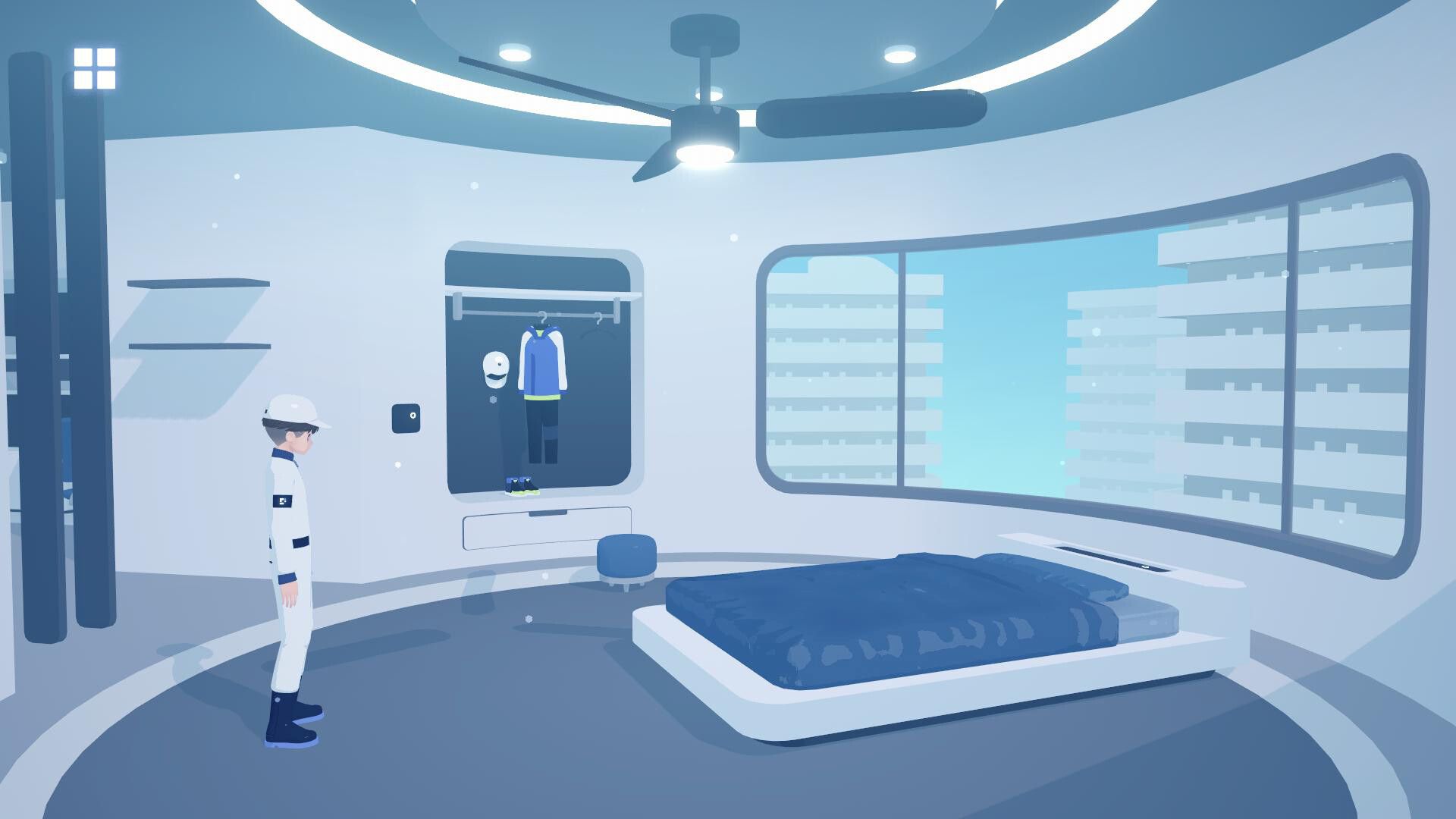
Resident #046’s day is regimented. Each morning, breakfast is provided, along with a clean uniform. Resident #046 goes to work, then after has a bit of leisure time for shopping or visiting the public garden. Often, the time is interrupted by an AI emergency somewhere in D-Topia to which he’s dispatched.
Most cozy life sim-type games have a social component. In D-Topia, #046 develops friendships with a large cast of residents and co-workers. These interactions provide most of the thornier moral or ethical dilemmas #046 faces. Quite often, these choices come down to whether it’s better to support a fellow human or align with the demands of the AI and play by the rules. Whichever way your moral compass points has a big influence on how the game’s narrative spins out.
D-Topia’s gameplay is filled with puzzles and mini-games. One of the ways the player — and #046 — makes a choice is by following a binary IF/THEN decision tree. It’s not unlike the BASIC coding many of us did ages ago. Which is maybe not unintentional.
D-Topia’s Sterile Beauty
D-Topia’s art direction is in alignment with its narrative and themes. The world is stylized, clean and every space looks basically the same except for some functional details. It purposely has an inoffensive lack of character, as if an attention-getting painting or colorful shop would offend someone. Likewise, the musical landscape is hours and hours of theme-less wallpaper music. On the other hand, the Block Side graphics are darker, moodier and suggest a lack of order and confident obedience. There’s an industrial thrum that reminds you of machinery at work.
The anime-style characters fit right into the aesthetic. The general population are almost featureless figures, but the NPCs are more memorable. The game’s dialogue is engaging enough, but there’s no voice acting, adding to the slightly clinical feel.
There are a lot of puzzles in D-Topia. While they grow more complex during the work day, they’re usually relatively compact and most often ask the player to create pathways through a series of numbers. The more difficult ones can be pretty satisfying to solve. Still, lovers of cozy games with an adversion to puzzles will want to steer clear.
Chill, or Dull?
I really like the ideas and philosophical underpinnings of D-Topia. Questions about the nature of happiness and our ethical choices are usually above the pay grade of most cozy games. That said, the purposely bland aesthetics, slow pace, and generally low-key vibe strayed awfully close to being just plain dull. The puzzles were fun, but they got repetitive, though maybe that’s thematically consistent. Like Stardew Valley as managed by George Orwell, D-Topia is an exploration of some complex questions in the disguise of a cozy sim, which is not something you come across every day.
***PS5 code provided by the publisher for review***
The Good
- Interesting premise
- Engaging puzzles
- Well written
- Narrative depth
The Bad
- Puzzles get repetitious
- Aesthetics are bland
- Slow pace