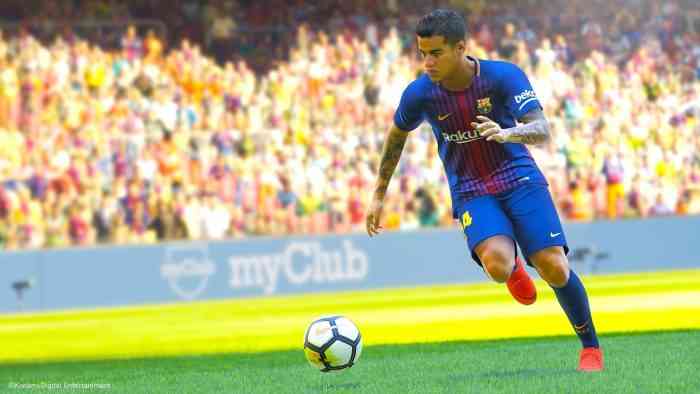
For gamers around the world, soccer is more than just a sport. It is also a culture shared through digital games, esports, and online communities. Especially during major international tournaments, the worlds of gaming and real-world soccer become more closely intertwined than ever. The experience of understanding team tactics through soccer games, discussing matches online, and interacting with fans from around the globe is emblematic of modern sports fandom.
Japan occupies an interesting position in this context. While Japan cannot be called the center of the global soccer market, it is known as a country where gaming culture and sports culture are highly integrated. With high penetration rates of home video game consoles and a thriving culture of watching overseas leagues, it is not uncommon for Japanese online communities to discuss both games and soccer simultaneously. This backdrop provides a crucial perspective for understanding soccer fandom in the digital age.
Another World Cup Created by Soccer Games
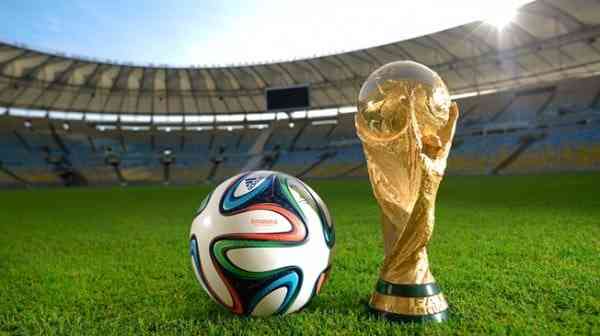
For many years, EA’s FIFA series has been known as one of the world’s most popular soccer games. The series has utilized licenses for real-world clubs, leagues, and players to provide a gaming experience closely resembling real soccer. In 2023, EA’s licensing agreement with FIFA expired, and the series relaunched under the name EA Sports FC, though the game’s fundamental philosophy remains unchanged. Through the game, players can control clubs and national teams from around the world, experiencing tactics and match dynamics that closely mirror real-world soccer.
Many soccer games feature modes modeled after international tournaments. Whether it’s tournaments using national teams, World Cup-style competitions, or limited-time events, gaming experiences tied to real-world tournaments strongly captivate players. Especially during the World Cup, in-game events and special cards are added, often causing the entire community to buzz with excitement over the same topic.
This phenomenon creates a unique situation where both the game and real-world soccer culture thrive simultaneously. Players watch real matches while controlling the same teams in the game, discussing tactics and player abilities. It can be said that soccer games offer another World Cup for fans around the globe.
Soccer Games and Online Prediction Culture
Within the soccer game community, discussions that go beyond mere gameplay are a daily occurrence. Many players compare player stats, analyze tactical differences, and predict match outcomes. While these discussions often begin as game strategy tips, they frequently expand into analyses of real-world soccer.
In communities on Discord and Reddit, posts discussing team tactics before matches are a common sight. On YouTube, videos featuring tactical commentary and data analysis are also gaining popularity. In these discussions, past tournament results and player statistics are shared. Soccer game players tend to have a strong interest not only in in-game stats but also in real-world data. This culture of analysis is also spreading within Japanese online communities.
Japanese soccer fans are known for actively watching matches from overseas leagues, and during international tournaments, match predictions and tactical analysis become particularly active. In the process, fans who follow international soccer sometimes search for information on bookmakers that allow soccer betting in Japan. However, much of the discussion focuses on match statistics rather than the act of betting itself.
Soccer Games as E-Sports
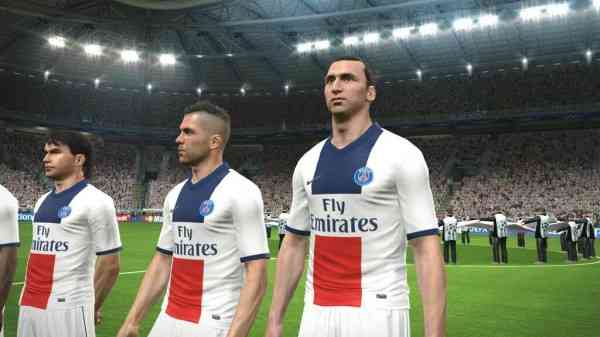
Soccer video games have evolved significantly in recent years into a prominent force within the e-sports landscape. For many years, FIFA has organized the FIFAe World Cup, a premier competitive event that brings together top players from around the globe. In this tournament, athletes who advance through regional qualifiers compete in the game to determine the world champion, blending virtual skill with international prestige.
Following the end of the licensing agreement between EA and FIFA in 2023, notable shifts occurred in the soccer gaming e-sports ecosystem. EA shifted focus to its own branded competitions centered on EA Sports FC, while FIFA continued the FIFAe World Cup using alternative titles. This development has led to a landscape where multiple parallel competitive circuits coexist, each offering distinct pathways for players and fans alike.
E-sports tournaments in soccer gaming serve as a powerful bridge between real-world football and digital culture. Numerous professional clubs have established dedicated e-sports divisions, signing gamers to official contracts as part of their rosters. These initiatives extend club branding into the virtual realm, allowing organizations to engage younger audiences and cultivate loyalty across platforms. Soccer gaming e-sports has grown into a vibrant competitive culture that shares the same passion, intensity, and sense of community as its real-world counterpart.
Soccer Fandom in the Digital Era
Contemporary soccer fandom has undergone profound transformation, moving far beyond traditional stadium attendance. Today, supporters not only watch matches in person but also stream games via digital services, engage in lively discussions within online communities, and take active control of their favorite teams through video games. These interconnected activities enrich the overall sports experience, creating layered and multifaceted ways to connect with the beautiful game.
During major events like the World Cup, fans worldwide tune into live streams on Twitch and YouTube while debating tactics and outcomes in real time. Discord servers buzz with live commentary, and Reddit threads accumulate thousands of comments dissecting every play. Gamers, meanwhile, discuss real match results and then step into the virtual pitch to recreate or influence scenarios with their chosen teams.
This convergence is forging an entirely new paradigm for sports consumption. Soccer games have transcended simple entertainment to become a unifying medium that links live viewing, data-driven analysis, and competitive e-sports. Digital-era soccer fandom unfolds simultaneously in physical stadiums and vibrant online spaces. At its heart lies a distinctive intersection: the seamless blend of real-world sport and interactive gaming that delivers immersive, participatory experiences unlike any before.