
Half an hour is not very long, and a game has to spend it carefully. In that window a design team has to teach a control scheme, introduce at least one system worth caring about, hand over a first success, and hint at something bigger without spoiling it.
Every minute given to one of those jobs is a minute taken from the others, which is why openings differ so sharply from one release to the next even inside the same genre.
The opening is a budget
Think of the first session as a fixed allowance rather than a tutorial. The team decides the order in which information arrives, and that order is the whole design. Movement usually comes first because nothing else can be taught without it. Then a resource, then a threat, then a reason the two are connected. Push all of it into the first ten minutes and the player retains almost none of it. Stretch it too thin and the game feels like it has not started yet.
Openings also carry a second job that nobody puts in the design document, which is proving the game is worth the next hour. Anything a studio has been advertising for two years has to show up early in some recognisable form. If the marketing sold vast open landscapes and the first thirty minutes take place in a corridor, the mismatch registers even when players cannot name what feels wrong.
What a strong opening actually delivers is narrower than it looks. Competence, meaning the player can reliably do one thing on purpose. A motive, meaning there is a reason to do it again. And a horizon, meaning there is visible evidence that the game gets larger. Miss any of the three and the session ends early, whatever the review scores say later.
Genre changes the opening contract
Different formats resolve the same budget in opposite directions. A Soulslike deliberately withholds, letting confusion function as atmosphere and trusting that a first victory will feel earned enough to justify the fog.
Catalogue platforms do the reverse and front-load generosity, because a visitor who has not chosen a game yet has no reason to stay through an explanation. Play Fame structures its opening around sweepstakes coins rather than around a training sequence, which removes the choice paralysis of a large library by making the first few minutes cost nothing to try. Neither approach is more honest than the other. They are answers to different questions about who is arriving and why.
When the systems arrive faster than the explanations
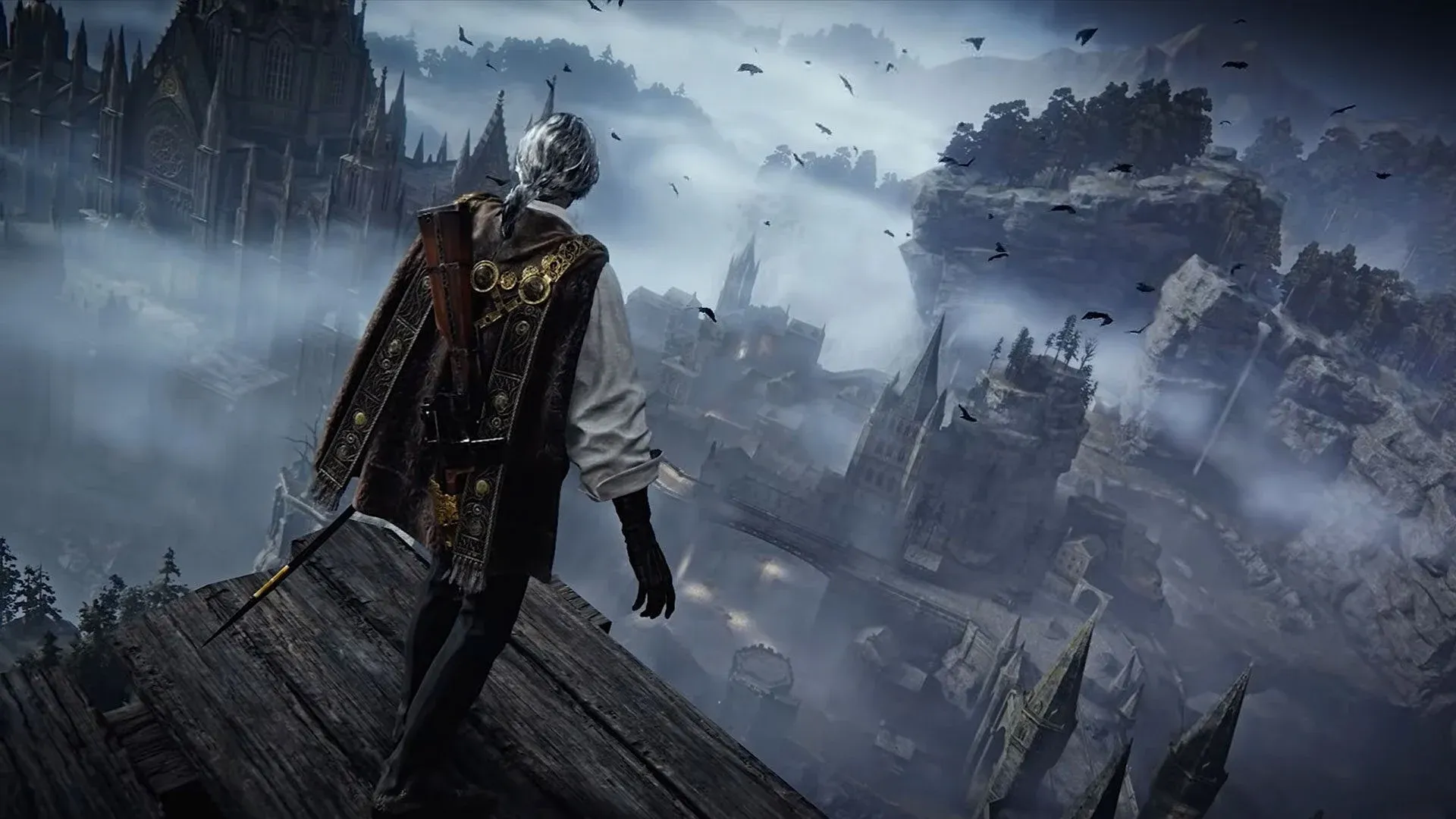
The gap between what a game contains and what it bothers to explain has widened as titles have grown. COGconnected’s rundown of the things worth knowing early in Mortal Shell 2 exists precisely because the game buries useful information: which merchant sells maps, what the Slayer Seal trades away, why a particular light fixture signals an incoming fight.
The developers estimate a playthrough at twenty to sixty hours, and the site’s writer suggests forty to forty-five is realistic on a first run, so anything missed in the opening compounds across a very long game. Readers end up catching up later through community write-ups rather than through the game itself.
That pattern has become normal enough to sustain its own small publishing industry. Every large release now generates a wave of beginner guides within days, and their existence is a quiet review of the opening half hour. A game that taught its systems properly would not need an outside article explaining that healing charges scale off two separate collectibles.
Which mechanics come first is a decision, not an accident
Game researcher Miguel Sicart, writing in the journal Game Studies, separates primary mechanics from secondary ones on exactly this basis. Primary mechanics are the ones available from the start, explained in the early stages, and consistent all the way through. Secondary mechanics show up occasionally or only work in combination with something primary.
Sicart uses shooting, melee fighting and driving in a large open-world title as the primary set, with the cover system as secondary, since a player can finish without ever mastering it. Once you know where a designer has drawn that line, the opening stops looking arbitrary.
Applied to a first session, this explains the strange feeling of being handed three verbs and a locked menu. You are being taught the primary set, and only that. Everything greyed out on the ability screen is a promise the game intends to keep in an hour or in ten, and the greying itself is doing work: it shows the horizon without demanding attention yet.
Games did not always bother
This level of care is historically recent. Carl Therrien’s DiGRA paper on the rise of the assistance paradigm traces how the first generation of video games were brutally difficult by default, and how home computer role-playing and adventure games made that worse by front-loading enormous amounts of information.
Tutorials, checkpoints and adjustable difficulty accumulated over decades as the fix. Therrien argues that the shift runs deep, changing the medium from something that addressed players competitively to something that addresses them cooperatively.
Arcade design had a financial reason to be hostile, and home releases inherited the habit long after the reason had gone. What replaced it was not simply easier games. It was games that notice where a newcomer is standing at minute six.
What the first half hour is really promising
Every opening makes a claim about the rest of the game, and most of the disappointment players describe later traces back to a claim that was not kept. A generous opening that narrows into a grind, a difficult opening that never gets interesting, a tutorial that teaches systems the game abandons by the third hour.
The half hour is not really about teaching at all. It is a sample, and players treat it as one, which is why so many of them can tell you within one session whether they will finish a game they have barely started.