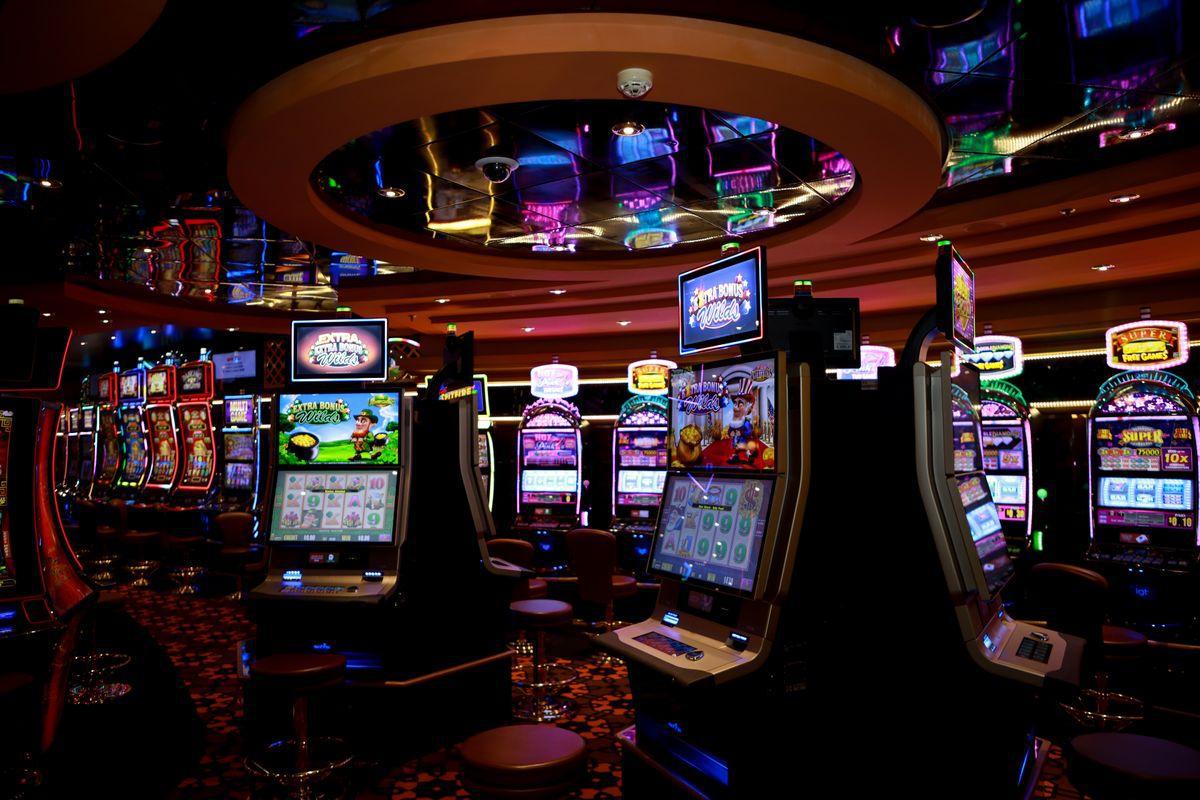
Gambling mechanics stopped being a side theme in games years ago. Loot boxes run on the same variable reward loop as a slot machine. Gacha pulls are built entirely around the odds of hitting something rare. And plenty of open world titles now let you walk into a fully modeled casino instead of just glimpsing one in a cutscene. What used to be dressing for a single heist mission has become a design pillar studios keep returning to, because a wager holds up just as well on a screen as it does at a table.
Studios Keep Building Full Casinos Into Their Worlds
Rockstar went further than most. The Diamond Casino Heist update turned an entire in game building into a working casino and multi stage heist: slot machines, roulette wheels, a whole penthouse economy built around chips. Fallout: New Vegas did it years earlier, letting players sit down at rigged machines as part of the story rather than a bolted on minigame. Red Dead Redemption 2 folds poker and blackjack into its world so naturally that plenty of players learn five card draw without ever touching a real table. Persona 5 went further still, building a whole dungeon around a casino theme, card based boss fights included. This isn’t set dressing. It’s design work by people who know exactly how reliable a risk and reward loop is.
Regulators Are Paying Attention Too
The closer a game gets to real gambling mechanics, the more scrutiny it attracts. Belgium’s Gaming Commission called paid loot boxes gambling back in 2018, and several major publishers pulled the mechanic from Belgian versions of their games rather than apply for a license. The UK has moved a lot slower. As of January 2026, the government still hasn’t classified loot boxes as gambling, even though it has kept the question “under review” for years now. That’s a strange place for a mechanic worth billions to sit: legal in one country, banned outright next door. It’s also exactly why players keep drawing their own lines between a casino level in a game and an actual table.
The Pull Of The Real Thing
Spend enough time in a well built in game casino and it’s natural to get curious about the real version. Plenty of players who cut their teeth on a virtual roulette wheel or a scripted poker hand want to know if the same instincts hold up when nothing is scripted. That curiosity is a big part of why online casino sites have become such a natural next step for players who want to try blackjack, poker or roulette for real, according to Casinos.com, leading experts on online casino sites. A scripted heist always goes the way the writers intended. A real table doesn’t care what you were hoping for.
Hollywood Got There First
Games didn’t invent this appetite, they inherited it. Casino films have been mining the same tension for decades, and a handful hold up as genuinely great watches for anyone who likes a well executed con. The Sting, the 1973 Paul Newman and Robert Redford caper about two grifters working a mark in 1930s Chicago, turned a $5.5 million budget into a $156 million worldwide gross and still holds an 8.2 rating today. Leaving Las Vegas and The Hangover both score well on the same value for money measure. Casino Royale marked Daniel Craig’s first outing as Bond. Ocean’s Eleven is still the gold standard for an ensemble heist done right. The long con, the read on an opponent, the moment a plan holds or falls apart: those are the same beats showing up in the games above, just with a controller instead of a script.
Worth The Watch And The Play
For anyone who already spends hours weighing risk against reward in a strategy game or a card based system, none of this is much of a stretch. Readers looking for more on where gaming and film overlap can find further coverage in COGconnected’s Movies/TV section, which regularly tracks where the two worlds meet.
Whether it starts with a controller or an actual deck of cards, the pull is the same. Watching someone read a room better than everyone else at the table, then wondering if you could do it too.