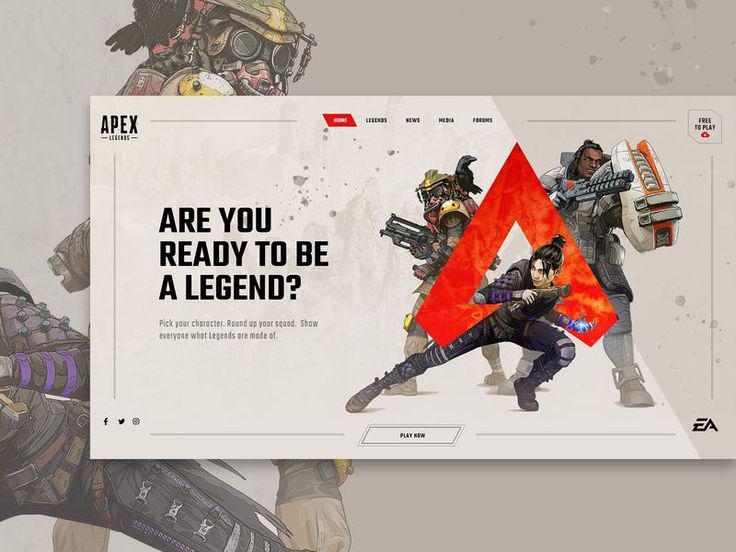
Apex Legends works like a mental gym for your brain. Every match throws twenty different things at you simultaneously – enemy positions, teammate callouts, ring timers, loot decisions. You’re processing all this while a Wraith phases behind you and someone pings frantically.
Action games improve how fast your brain works and how well you switch between tasks. Apex adds layers most games skip – coordinating with randoms who instalock Octane, deciding if that white shield is enough to push the cracked squad, and figuring out rotation paths while third parties lurk everywhere.
Hot Drop: Your Brain’s Speed Test
Fragment East. Streamer Building. Countdown Tower. These spots test how fast you think. You land and have maybe five seconds to scan three buildings, spot weapon spawns, track four enemy teams nearby, and grab a gun before someone finds a Peacekeeper.
Your brain juggles multiple calculations at once. Which door has weapons? Is that Bloodhound faster than you? Grab armor first or commit to the R-301 upstairs? Your mind learns to pick what matters most, cutting through noise to focus on survival priorities.
This mental sorting happens in college constantly. Three deadlines, two group projects, one presentation all hitting the same week. Your brain uses the same filtering system – what needs attention now versus what can wait. Apex trains this automatically through hundreds of high-pressure drops.
Learning From Instant Feedback
Traditional classes bury you in delayed feedback. Submit work in October, get it back in November when you barely remember writing it. Apex works differently – it shows you immediately what went wrong. The recap screen breaks it down within seconds: 156 damage dealt, knocked from 47 meters by a Charge Rifle, your position exposes you to two angles.
College throws similar challenges with tight deadlines and complex projects requiring clear structure. Students working on big research projects need organization across dozens of sources. When written work stacks up with everything else, some students outsource drafting to a college paper writing service to focus brain power on actual research. Like how Apex auto-sorts ammo so you’re not organizing inventory mid-fight. Handling routine structural stuff preserves mental energy for complex thinking that actually determines quality. Your brain runs on limited processing power. Spending it on citation formatting means less available for developing arguments or connecting research ideas.
This tight feedback loop in Apex rewires how your brain connects actions to results. Cause and effect stay linked. You don’t wonder why something failed. Did you peek at the same spot twice? Forget that Bangalore’s smoke messes with aim assist? Pop a shield cell when you need a battery? The answers come instantly, making your next attempt smarter.
Reading Rotations: Your Brain’s Pattern Database
After 200 hours, you just know things. Ring closing on Harvester? Teams flood through that chokepoint by the lava. Final circle near Countdown? Someone’s camping those upper platforms. You spot a Pathfinder zipline and instantly read it as a repositioning play.
This happens unconsciously. Your brain files away thousands of situations. Which legend combos mean coordinated premades versus random trios. How different weapons change engagement distances. Which sounds mean you’re about to get third-partied by the squad that heard your fight.
The same brain mechanics drive expertise everywhere. Math people see equation patterns. Writers recognize story structures. Apex players identify tactical signatures. Your brain builds these libraries through massive repetition in different contexts.
You rarely have perfect information though. That squad fighting nearby – are they full health or cracked? Did they burn movement abilities escaping? You make educated guesses with incomplete data, updating your mental model as new info arrives. This trains you to adjust beliefs based on evidence instead of sticking to first impressions.
Learn To Recognize Patterns Beyond the Game
The same mental habits that help you read a rotation carry over into high-stakes personal decisions. Experienced players start spotting structures and sequences everywhere – not just in matches, but in academic timelines, application deadlines, and long-term planning. That pattern-reading ability gets especially useful when you’re preparing for something with real consequences, like applying to college or graduate school.
A lot of players who reach that competitive level are also students dealing with application cycles. The writing side of that process – personal statements, supplemental essays – requires a different kind of precision than a research paper. Some of them turn to a college admission essay writing service when they want a strong example to work from before drafting their own version. Seeing how professional frames experience into a compelling narrative, with the right tone and structure, gives a concrete target to aim at rather than starting from scratch.
That reference point matters. Just like reviewing VODs to understand where a rotation went wrong, studying a well-written example shows you what the finished product is supposed to look like – before you commit to your own version.
Inventory Choices: The Trade-Off Game
Two arc stars or twelve extra light rounds? Purple helmet or second stack of syringes? These micro-decisions happen constantly. Limited backpack space forces you to weigh costs. Every item you carry means something else gets dropped.
This builds resource optimization thinking that transfers to time management directly. You can’t do everything. Carrying extra heals means vulnerability to grenade spam. Spending three hours perfecting one assignment means less time for others. Apex builds intuition for these trade-offs through forced choices.
Experienced players run sophisticated decision trees automatically. White shield against a red squad? You need every grenade to crack them before pushing. Final circle with limited cover? Stack heals over nades because poke damage determines positioning. Your brain weighs multiple variables simultaneously without conscious effort.
Making Skills Automatic
New players feel overwhelmed managing movement, aiming, ability timing, inventory, comms, and positioning simultaneously. Experienced players automate basics. Movement runs on muscle memory. Recoil control happens unconsciously. Shield swaps execute automatically during fights.
This follows standard learning progression. You’re bad and know it → you’re decent but it takes focus → you’re good automatically. Apex speeds this up through intense repetition in high-stakes situations.
When core mechanics become automatic, your conscious attention shifts to strategy. You’re not thinking about how to wall-jump – you’re thinking whether that position lets you third-party the fight you heard. This freed mental capacity enables higher-level thinking.
Skills That Work Everywhere

Mental tools Apex builds transfer across domains:
-
Focus control – Hearing enemy footsteps while ignoring friendly Octane’s jump pad sounds
-
Processing speed – Extracting threat assessment from visual chaos in milliseconds
-
Mental switching – Going from defensive position to aggressive push when opportunity appears
-
Space awareness – Predicting where Pathfinder lands based on grapple trajectory
-
Smart guessing – Deciding push timing based on likely enemy health and cooldowns
-
Staying cool – Not tilting after getting third-partied by three squads simultaneously
-
Planning ahead – Positioning for ring three while fighting in ring one
Audio Processing: The Hidden Edge
Apex rewards players who listen carefully. Footsteps tell you enemy count and distance. Ability sounds reveal legend types before visual contact. Gunfire indicates weapons and ranges. Healing sounds signal vulnerability windows.
Players processing audio well gain huge advantages. You know someone’s flanking before seeing them. You catch the Revenant totem activation and prepare for the push. You hear a battery and know you have four seconds to capitalize.
This trains selective attention, according to research, amplifying relevant signals while filtering noise. The same skill helps you concentrate in chaotic environments everywhere. Your brain learns pattern recognition through sounds, strengthening audio processing generally.
Third Parties: Chaos Management
Nothing tests quick thinking like third parties. You’re mid-fight, focused on your current targets, then you hear another team approaching. Everything changes instantly. Finish fast? Disengage completely? Position so both teams fight each other?
Your brain reassesses priorities in real-time while tracking multiple threats. Original enemy health, their positions, new squad approach angle, ring timing, your team’s resources, escape routes. This mental juggling under unpredictable conditions builds robust decision-making.
Worse scenario? Fourth parties. You’re fighting the squad that third-partied you while original enemies heal. Your mental model updates continuously as conditions shift. This trains flexible thinking for when plans collapse and you need new strategies instantly.
Solo Queue: Communication Without Words
Random teammates without mics. Wraiths who disconnect after getting knocked. That Octane who stims into three squads alone. Solo queue teaches maximum value from minimal communication.
Ping system becomes your language. You develop shorthand for complex tactics. Double-ping enemy location means “pushing now.” Ping shield swap means “vulnerable two seconds.” Ping ult accelerant after Wattson signals readiness means coordinated fence setups.
Constraint-driven communication builds clarity. You convey critical info economically because you can’t waste time. Same efficiency helps everywhere – concise emails, clear presentations, effective collaboration with minimal coordination.
Try This: The Root Cause Question
After your next tough match, ask yourself: “What single decision created conditions for this outcome?” Not what knocked you – what earlier decision made it possible.
Rotated through an obvious chokepoint? Pushed without confirming teammate positions? Ignored the Gibby bubble telegraphing a camping team? Trace backwards to find the root cause.
Apply this to your work. After getting assignments back, identify the earliest decision where quality dropped. Started too late? Skipped planning? Misunderstood requirements initially? Root cause analysis prevents repeating mistakes.
Track patterns over ten matches or assignments. Note recurring issues. Your brain spots patterns unconsciously but making them explicit enables conscious fixes. Keep a brief log. Review before high-stakes situations to activate relevant knowledge.
Conclusion
Apex creates an environment where mental skills develop fast through tight feedback loops and high-pressure practice. The game trains working memory, mental switching, pattern recognition, and self-awareness – same capabilities enabling effective learning anywhere.
You’re not just improving aim and rotation timing. You’re strengthening core brain processes determining how quickly you learn new skills and adapt to novel challenges. These mental tools stay useful long after closing the game – helping with work, career development, and lifelong learning.
Key takeaway: structured practice under pressure speeds up skill building across areas by strengthening underlying brain mechanisms. Whether clutching a 1v3 or finishing a dissertation, the mental processes look surprisingly similar.