Counter-Strike skins have evolved from simple cosmetic items into part of a massive digital marketplace. Players around the world buy, trade, and collect weapon skins not only to customize their gameplay experience but also to manage valuable inventories. For anyone who wants to sell CS2 skins, understanding how to do it safely online is essential.
Although the trading ecosystem around Counter-Strike is well established, it also attracts scams and unsafe practices if players are not careful. Fortunately, most risks can be avoided by understanding how the system works and following basic security steps. Whether someone is selling a single skin or managing a larger collection, a cautious approach makes a big difference.
Learning how to navigate marketplaces, evaluate item value, and protect accounts helps ensure that selling skins remains a positive experience.
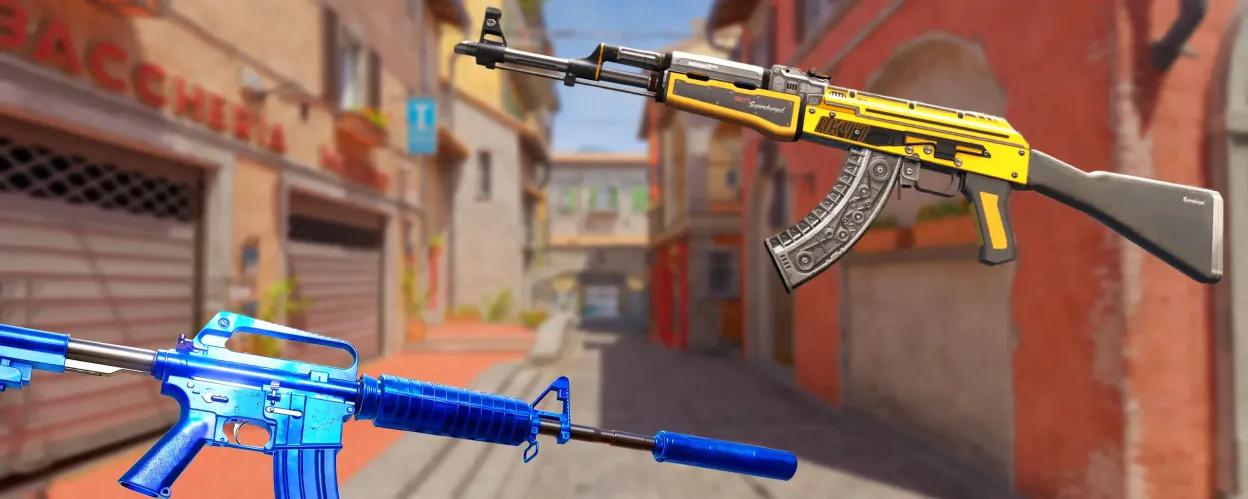
Where players usually sell skins
There are several ways to sell skins in the Counter-Strike ecosystem. The most widely used option is the official Steam Community Market, where players list items from their inventory and other users purchase them using Steam Wallet funds.
This marketplace is built directly into the Steam platform, which makes the process straightforward. Once a skin is listed and purchased, the transaction is completed automatically and the seller receives the balance in their Steam account.
Some players also use third-party marketplaces designed specifically for digital item trading. These services may offer different payment options or allow sellers to withdraw funds outside the Steam ecosystem.
Each option has its advantages, but the most important factor is choosing platforms with a strong reputation and established security practices.
How the selling process works
Selling skins is typically a simple process, especially when using the Steam marketplace. Players can start the process directly from their inventory.
The basic steps usually include:
-
opening the Steam inventory
-
selecting the skin to sell
-
choosing the “Sell on Community Market” option
-
setting a price for the listing
-
confirming the listing through Steam Guard
Once the item appears in the market, buyers can purchase it instantly if they agree with the listed price.
If a player uses an external marketplace, the process may include additional steps such as connecting the Steam account or sending the item to a trading bot.
Understanding skin value
Before listing an item for sale, it is important to understand what determines its value. The price of a skin can vary significantly depending on several factors.
Some of the most influential elements include:
-
rarity tier of the skin
-
condition or wear level
-
popularity of the weapon
-
overall market demand
-
design and visual appeal
Wear level plays a surprisingly large role. A Factory New version of a skin may appear much cleaner than a Field-Tested or Battle-Scarred version, which can dramatically affect the price.
Experienced traders often study price history charts and current listings to estimate a realistic market value before selling.
Timing the sale
Market timing can influence how much a player receives for their skins. Prices can fluctuate depending on updates, esports events, or community trends.
For example, when a weapon becomes popular in competitive play, skins associated with that weapon may gain attention. Similarly, new game updates or case releases sometimes shift interest toward specific collections.
Some sellers prefer to monitor the market for a while before listing their items. By watching price trends, they can decide whether it is better to sell immediately or wait for potential demand.
Avoiding common scams
Because skins can have significant value, scams occasionally appear in trading communities. Many scams rely on phishing links, impersonation, or fake trading offers.
Being cautious online can prevent most problems. A few common warning signs include unexpected messages asking for trades, links to unfamiliar websites, or requests to log in outside the official Steam page.
Players should also avoid rushing into transactions without verifying details carefully.
Important precautions include:
-
never logging into unknown websites with Steam credentials
-
double-checking trade offers before confirming them
-
ignoring suspicious messages from unfamiliar accounts
-
verifying that website addresses are correct
Simple habits like these can prevent many security issues.
Using Steam Guard for protection
Steam includes built-in tools designed to protect users during trades and marketplace transactions. One of the most important is the Steam Guard Mobile Authenticator.
This feature requires players to confirm trades and listings through their mobile device. By adding an extra verification step, it significantly reduces the chance of unauthorized transactions.
Most experienced traders consider Steam Guard essential when managing valuable inventories.
Managing a valuable inventory
Players who collect many skins often treat their inventory almost like a digital collection. Over time, items may gain sentimental or monetary value.
When selling items from such collections, it can be helpful to plan carefully. Some players prefer selling duplicates while keeping rare items for long-term value. Others periodically sell parts of their inventory to reinvest in different skins.
Tracking market values and keeping an organized inventory can make the selling process smoother.
Selling skins responsibly
While the skin market can be exciting, responsible trading is important. Treating skins as collectible items rather than guaranteed investments helps maintain realistic expectations.
Many players sell skins simply to reorganize their inventories or fund purchases of other items within the game. Others enjoy the trading process itself and view it as part of the broader Counter-Strike experience.
Understanding the market, staying patient, and prioritizing security are key factors for anyone entering the world of skin trading.
A digital marketplace shaped by players
The Counter-Strike skin economy is unique because it is largely driven by the community itself. Player demand determines which skins become popular and how prices evolve over time.
For those interested in selling skins online, learning how the market operates and how to stay secure allows them to participate confidently in this ecosystem.
With careful planning and awareness, selling skins can be both safe and rewarding, adding another layer of depth to the already rich Counter-Strike experience.