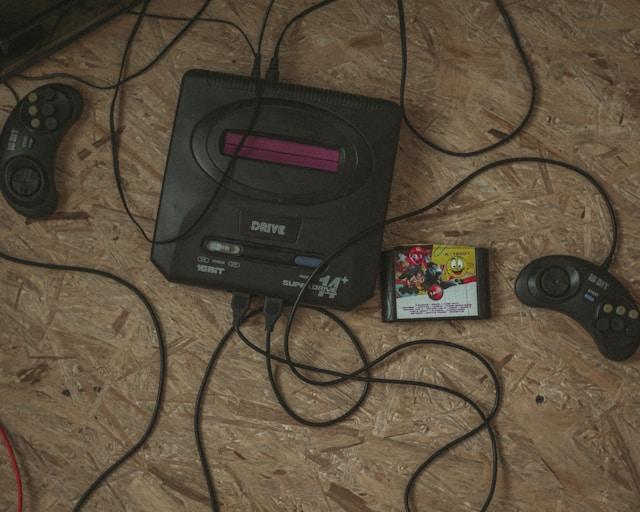
Photo by Alex Gagareen on Unsplash
Nostalgia is one of gaming’s strongest forces, and in 2025, it’s still shaping the industry in big ways. Retro remasters aren’t just quick cash-ins; they’re about keeping history alive, making classics playable again, and reminding us exactly why certain games stood the test of time.
For many players, the appeal starts with emotion. You can go back to the games that you enjoyed, but now with smoother performance and modern polish. Final Fantasy Pixel Remaster is a perfect example, giving fans the first six entries of the series with updated visuals and customizable features while holding onto the soul of the originals.
Gaming isn’t the only space where nostalgia and new tech meet. In gambling, many online sites are modernizing classic games with features like live dealers and mobile-friendly tournaments. These platforms have become popular in 2025 because they combine secure play, fast crypto payouts, and exciting bonuses with modern twists on classic and recognizable games like blackjack and roulette.
Remasters aren’t just about better graphics; they can actually bring back parts of a game that were left out the first time. Tons of great titles are trapped on outdated systems or rare cartridges that most people can’t get anymore. In early 2025, Aspyr released Tomb Raider IV–VI Remastered, rescuing three classics from the late ’90s and enhancing them for today’s systems. Fans finally get the complete experience they missed out on years ago.
Another reason they matter is accessibility. Players who played these games can revisit them, while new players can finally experience titles they’ve only heard about. Studies find that revisiting familiar games makes them more enjoyable, no matter the platform. That bridge between generations is part of what keeps remasters relevant; they’re shared experiences that don’t require digging up old hardware to enjoy.
From a business angle, remasters make sense too. Building a brand-new game is expensive and risky, but reviving proven hits is a safer bet. In fact, these updated classics still hold their own on the charts right next to the latest blockbusters, which proves that both old-school gamers and new players still want them. With the retro gaming market valued at over $2.5 billion and projected to keep growing, it’s clear that looking back is still big business.
There’s also a cultural angle worth noting. Games are increasingly recognized as works of art, and remasters help preserve that legacy. Nightdive Studios, for example, is bringing back Outlaws, a 1997 western-themed shooter, not just to sell copies but to ensure an important piece of gaming history isn’t forgotten.
At the end of the day, retro remasters matter because they do more than feed nostalgia. They preserve the past, connect players across generations, and give great games new life on modern systems. In 2025, they remind us that the best titles never really get old; they just need a fresh coat of paint to keep shining.